


Karnataka’s Khara Bath: Soft and Rich
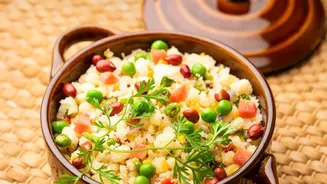
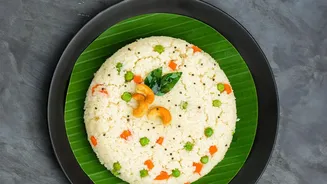
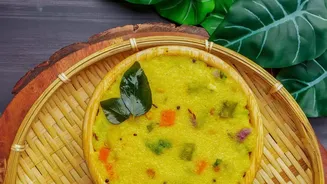
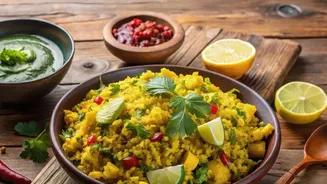
In Karnataka, Upma is often known as Khara Bath and is a star of the local 'tiffin' culture. What sets it apart is its incredibly soft, often 'melt-in-the-mouth' texture. This is achieved by using a generous amount of ghee and a specific spice blend,
frequently Vangi Bath or Bisi Bele Bath powder, which lends it a unique aroma and savoury depth. Unlike its plainer cousins, Khara Bath is typically more moist and porridge-like, loaded with finely chopped vegetables. The rava (semolina) is roasted well to ensure it doesn't become sticky, and the final dish is a flavourful, spicy, and satisfying meal often served with coconut chutney.
Tamil Nadu’s Classic: Fluffy and Distinct
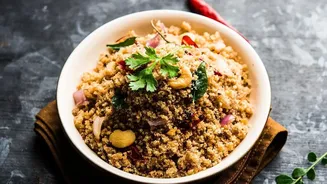
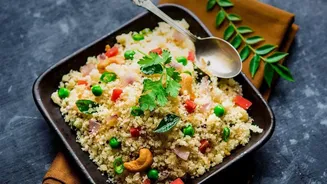
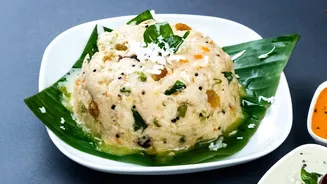
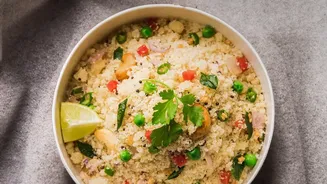
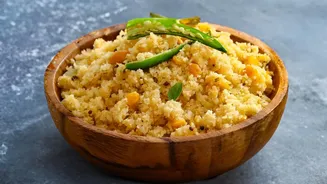
The classic Tamil Nadu style of Upma prioritizes a fluffy, non-sticky texture where each grain of rava remains distinct. The key here is the roasting process and the water-to-rava ratio. The semolina, typically Bombay Rava, is dry-roasted until aromatic, which prevents it from becoming a single pasty mass. The tempering is classic South Indian: mustard seeds, urad dal, chana dal, curry leaves, and ginger. While some versions include minimal vegetables, the focus is on the light, savoury flavour of the base, often finished with a squeeze of lemon juice. It’s less of a porridge and more of a fluffy, savoury grain dish.
Maharashtra’s Sanja: Fluffy and Tangy
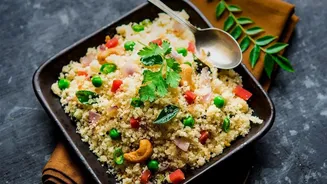
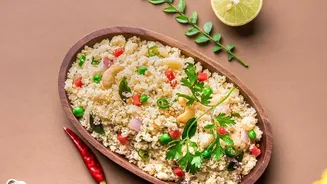
Travel to Maharashtra, and you'll find Sanja, a close relative of Upma with its own distinct personality. The Maharashtrian preparation is known for being fluffier and 'looser' than many South Indian versions. A key difference is the bright yellow hue it gets from turmeric powder, an ingredient often omitted in Southern styles. Furthermore, Sanja is sometimes cooked in buttermilk instead of water, which imparts a subtle tangy flavour to the final dish. The tempering is simpler, usually featuring mustard seeds, cumin seeds, and peanuts for crunch, creating a light yet hearty breakfast.
Andhra’s Tomato Bath: Moist and Tangy
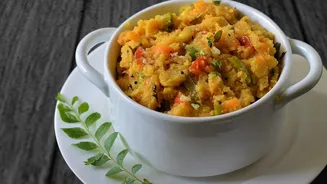
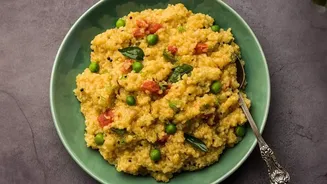
In Andhra Pradesh and Telangana, a popular variation is the vibrant Tomato Bath, which is essentially Tomato Upma. As the name suggests, the defining ingredient is a generous amount of ripe tomatoes, which are cooked down with onions and spices before the rava is added. This process creates a dish that is inherently moist, tangy, and packed with flavour. Roasting the semolina, often in ghee, is crucial to prevent it from becoming mushy and to add fragrance. Served in Andhra tiffin centres and even at weddings, this version requires no side dish, as the rich tomato base provides all the necessary flavour and moisture.
The Semolina Itself: A Textural Foundation
The final texture of any Upma is heavily dependent on the type of rava used. Bombay rava, a medium-grind semolina, is the most common choice for a classic, slightly grainy texture. For a much softer, almost creamy result, some use Chiroti rava, which is very fine. On the other end of the spectrum is Bansi rava, a coarser variety made from a specific type of wheat, which results in a fluffier, more separate-grained Upma. Ultimately, the choice of grain, from wheat to rice to millets, forms the very foundation of the Upma's final character on the plate.