




From Heirlooms to High Fashion
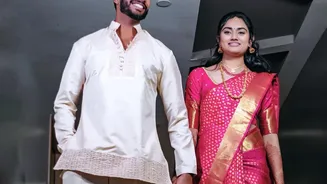
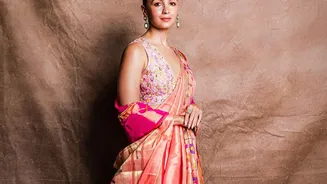
For generations, luxurious Indian textiles like Banarasi brocade, Kanjeevaram silk, and Patola were synonymous with traditional garments—primarily the saree or lehenga, often preserved as heirlooms for special occasions. Today, that perception is changing.
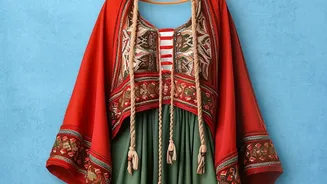
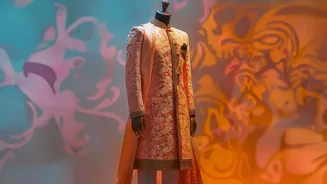
Designers and a new generation of consumers are looking at these fabrics not just as finished garments, but as a rich medium for creative expression. This has led to a vibrant reimagining of their use. The same intricate gold and silver zari work once reserved for a bridal saree is now giving structure to an evening gown or a tailored jacket, making the fabric's appeal broader than ever.
A New Generation’s Quest for Identity
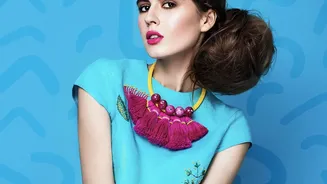
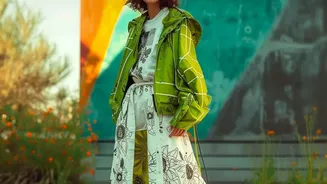
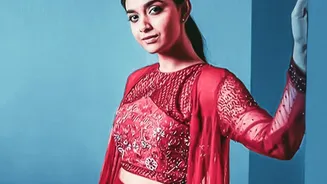
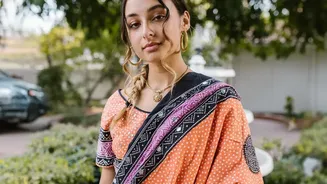
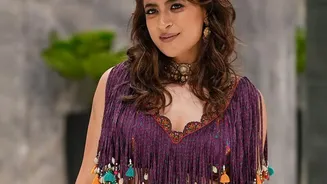
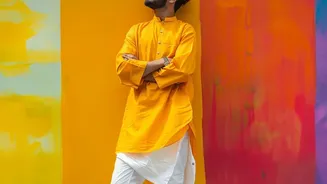
Much of this trend is driven by Gen Z and millennials, who are seeking ways to connect with their cultural roots on their own terms. For many in the Indian diaspora and in modern India, traditional festive wear can sometimes feel cumbersome or impractical. This generation prioritizes comfort, versatility, and individuality. Reworking handloom fabrics into contemporary cuts—like crop tops paired with lehenga skirts, pre-draped saree gowns, or Ikat co-ord sets—offers a solution. It allows them to celebrate their heritage in a way that feels authentic and personal, blending Indian craftsmanship with global fashion sensibilities.
Designers as Modern Storytellers
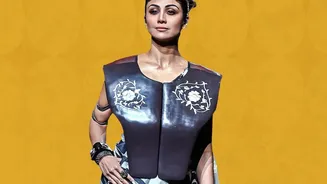
Indian fashion designers are at the forefront of this movement, acting as crucial bridges between artisan communities and the modern market. Visionaries like Sabyasachi Mukherjee, Ritu Kumar, and Tarun Tahiliani have long championed the revival of heritage weaves. They are now leading the charge in reinterpreting these textiles into unexpected forms. Think of a structured blazer made from Jamdani muslin, a formal gown crafted from Banarasi silk, or a chic bomber jacket with traditional Phulkari embroidery. These designers are not just creating clothes; they are telling a new story about Indian identity—one that is both deeply rooted and confidently global.
The Rise of Conscious Consumerism
Beyond aesthetics, this trend is deeply connected to a global shift towards sustainability and ethical fashion. Handloom textiles are inherently eco-friendly, requiring minimal energy and often using natural fibers and dyes. By choosing these fabrics, consumers are making a conscious decision against the fast-fashion cycle. This movement provides vital economic support to artisan communities, ensuring that ancient, intricate weaving and embroidery techniques are preserved and passed down. In a world seeking authenticity, the story behind a handwoven garment—the skill, the time, and the cultural legacy—has become a new marker of luxury.