



The Science of Spice and Heat
The incredible aroma and taste of spices come from volatile oils locked within their cellular structure. The goal of cooking is to release these oils and distribute them throughout the dish. However, not all flavour compounds behave the same way. Some
are fat-soluble, meaning they dissolve best in oil or ghee, while others are water-soluble. The cooking method you choose—hot fat, dry heat, or simmering liquid—determines how effectively these flavours are extracted. Using the right technique for the right spice prevents burning and ensures you get a complex, aromatic result rather than a bitter or flat-tasting meal.
Cooking in Fat: The Tadka (Tempering)
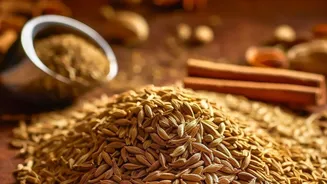
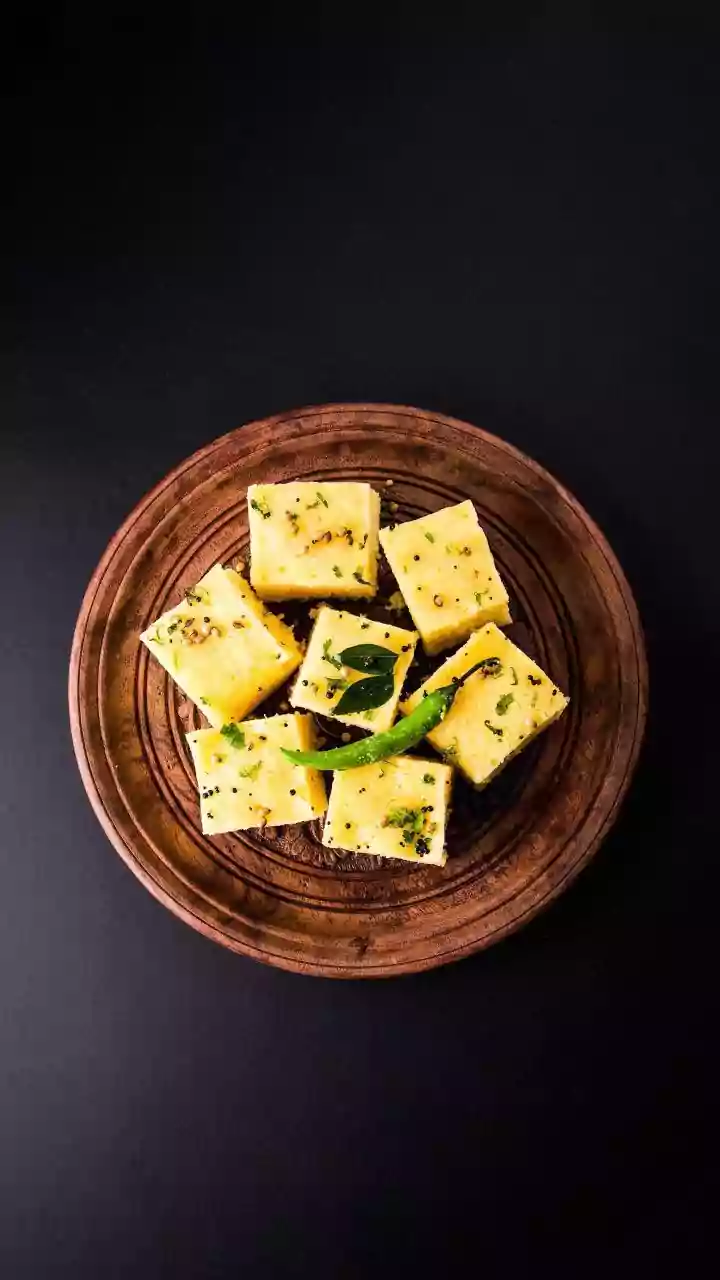
The most fundamental technique in many Indian kitchens is the 'tadka' or tempering, where whole spices are bloomed in hot fat. This method is perfect for fat-soluble spices like cumin seeds, mustard seeds, asafoetida (hing), and dried red chillies. When these spices hit shimmering hot oil or ghee, the heat ruptures their cell walls, releasing their essential oils. The fat acts as a perfect carrier, absorbing these aromatic compounds and distributing them evenly through the rest of the ingredients. Ground spices can also be bloomed, but they require much less time—often just 20-30 seconds—and constant stirring, as their large surface area makes them prone to burning. It’s crucial to have your next ingredient, like onions or tomatoes, ready to add immediately to stop the cooking process.
Cooking with Dry Heat: Toasting
Dry toasting spices in a pan before grinding them is another powerful way to deepen their flavour. This technique uses dry heat to drive off any residual moisture and initiate Maillard-type reactions, which create new, complex, and nutty flavour compounds that weren't there before. Spices like whole coriander, cumin, peppercorns, and cinnamon sticks benefit immensely from this process. Once toasted until fragrant, the spices are cooled and then ground. This method awakens dormant oils, making even slightly older spices more vibrant and potent. Toasted spices can then be used in a blend or bloomed in oil for a second layer of flavour extraction.
Cooking in Liquid: Simmering and Infusing
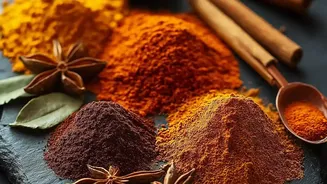
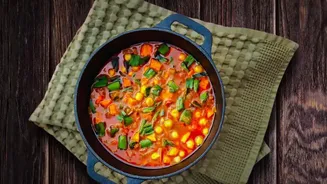
When making curries, dals, or stews, spices are often added to a liquid base. This method is ideal for ground spices that might otherwise burn in hot oil, such as turmeric, coriander powder, and chilli powder. These are typically added after the initial tempering and sautéing of aromatics like onions and ginger. The liquid buffers the heat, allowing the spices to release their flavour without turning bitter. While many spice flavours are primarily fat-soluble, simmering in water or broth still allows for flavour infusion. For dishes with long cooking times, some recipes call for adding spices in stages—once at the beginning to build a deep base, and again near the end to refresh the aroma.
The Final Touch: Finishing Spices
Some of the most aromatic and delicate spices are best added at the very end of cooking. Their volatile oils are so fragile that prolonged heat would destroy them, muting their impact. Garam masala is the classic example of a finishing spice. Sprinkling it over a dish just before serving preserves its fragrant, warming aroma and provides a fresh burst of flavour. Other finishing spices include kasuri methi (dried fenugreek leaves), amchur (dried mango powder), and fresh herbs. Adding these spices off the heat allows them to gently infuse the dish without cooking off their essential character.