


What Exactly Is a Dirty Matcha?
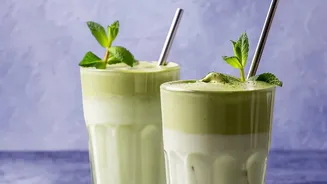
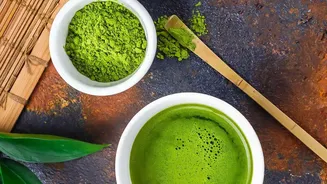
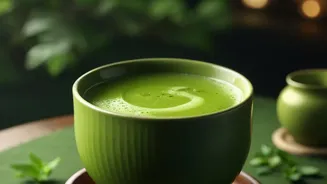
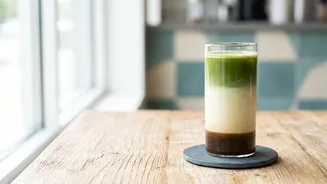
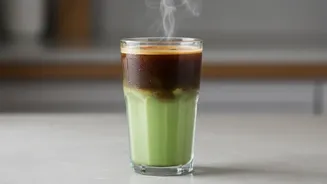
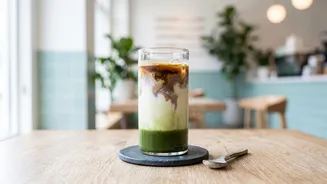
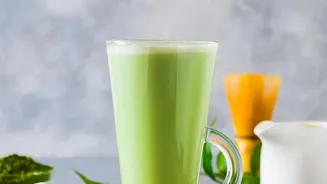
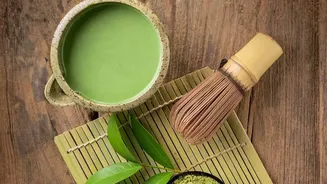
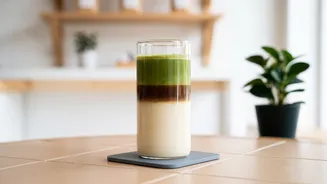
At its heart, a dirty matcha is a creative coffeehouse hybrid. It typically starts with a prepared matcha base—matcha powder whisked with a small amount of water to form a paste, then combined with steamed or cold milk. The “dirty” element comes from
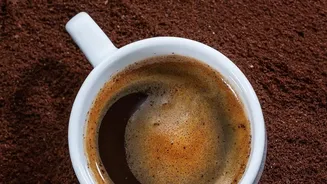
a shot of espresso that’s poured over the top, creating an attractive, swirling, two-toned effect. The earthy, slightly bitter notes of matcha powder combine with the rich, roasted flavour of coffee for a complex taste that has quickly gained a following. It’s a drink that promises the best of both worlds: the beloved flavour of coffee and the trendy appeal of matcha, all in one cup.
The Tale of Two Caffeine Sources
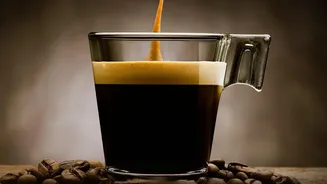
To understand the dirty matcha’s potency, you have to look at its two core components. First, there's matcha. A typical serving made with one to two grams of matcha powder (about half a teaspoon to a full teaspoon) contains anywhere from 38 to 88 milligrams of caffeine. What makes matcha's caffeine unique is the presence of L-theanine, an amino acid that promotes a feeling of calm alertness. This is why many people experience matcha's energy as a smoother, more sustained lift without the sharp spike and crash associated with coffee. Then there’s the espresso. A single shot of espresso adds roughly 63 to 75 milligrams of caffeine. Unlike matcha, coffee delivers its caffeine quickly, providing a more immediate and noticeable jolt of energy.
Crunching the Caffeine Numbers
When you combine these two sources, the caffeine total becomes significant. A single dirty matcha can easily contain between 100 to 160 milligrams of caffeine, or even more, depending on the preparation. For instance, if you use a strong two-gram serving of matcha (~70 mg) and add a standard espresso shot (~65 mg), you’re already at 135 mg of caffeine. This is comparable to a strong 8-ounce cup of regular drip coffee, which typically has between 80 to 100 mg, but can sometimes reach much higher. For most healthy adults, the U.S. Food and Drug Administration (FDA) suggests a daily limit of 400 milligrams of caffeine. While one dirty matcha fits well within that guideline, it's a substantial portion of your daily allowance in a single drink. It’s important to count it as a strong coffee, not a gentle tea, when tracking your intake.
Potential Perks Beyond the Buzz
The appeal isn't just about the intense energy boost. By combining matcha and coffee, you also get a double dose of health benefits. Matcha is renowned for its high concentration of antioxidants, particularly catechins like EGCG, because you consume the entire ground leaf. Coffee is also a major source of antioxidants for many people. Both beverages have been linked to potential benefits like improved heart health and liver protection. The combination of L-theanine from matcha and caffeine from both sources can also create a unique state of calm, focused energy, potentially sharpening the mind without the anxious jitters that some people get from coffee alone.
The Downsides and Who Should Be Cautious
Despite the benefits, the high caffeine content isn't for everyone. Consuming too much caffeine can lead to negative side effects, including anxiety, jitters, digestive issues, a rapid heartbeat, and disrupted sleep. If you are sensitive to caffeine, have a low tolerance, or suffer from anxiety, a dirty matcha might be too intense. The American College of Obstetricians and Gynecologists recommends that pregnant people limit their caffeine intake to 200 milligrams per day, meaning a single dirty matcha could account for a large portion of that. It's also wise to avoid drinking one late in the afternoon, as the stimulating effects can last for three to five hours, potentially interfering with your sleep schedule.