





A City Painted Purple
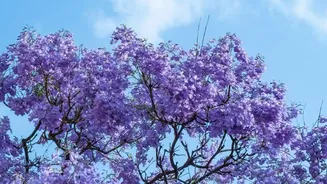
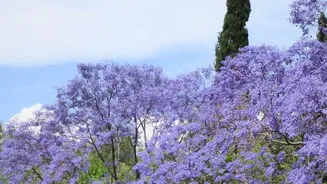
For roughly four to six weeks, Sydney becomes a dreamscape of lilac and lavender hues. This natural event, affectionately known as 'jacaranda season', sees thousands of trees bloom simultaneously across the city. The peak usually occurs from the last
week of October into early November, though a warm, dry winter can shift the schedule earlier. The phenomenon has become a significant tourist draw, with visitors planning trips specifically to witness the streets transformed into purple tunnels and parks dotted with vibrant colour against the backdrop of the city's iconic landmarks.
The Most Photographed Streets
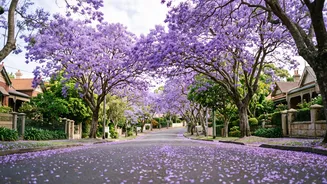
The epicentre of jacaranda obsession is undoubtedly McDougall Street in the northern suburb of Kirribilli. Here, a long row of mature trees forms a dense, purple canopy over the road, creating a surreal tunnel effect that has become a global Instagram sensation. The street's popularity has become so immense that local councils now implement weekend road closures during the peak season to manage the crowds of photographers and tourists. Other key spots on the north shore include nearby Lavender Bay, where the blooms frame views of the Harbour Bridge, and the charming, lesser-known streets of Hunters Hill.
Beyond the Harbour's Glow
While Kirribilli gets most of the attention, jacarandas flourish all over Sydney. In the Eastern Suburbs, the area around Oxford Street in Paddington is famous for its purple carpet of fallen petals in front of the historic Victoria Barracks. The inner west also boasts impressive displays in Camperdown, Newtown, and Glebe, where the vibrant flowers contrast beautifully with the area's Victorian terrace houses. Further west, Parramatta Park and the surrounding streets offer a more relaxed viewing experience. The University of Sydney's main quadrangle was also home to one of the city's most famous jacaranda trees, a cultural touchstone for generations of students, until it was replaced with a clone after its death in 2016.
An Imported Icon
Surprisingly, the jacaranda tree is not native to Australia. The Jacaranda mimosifolia originates from South America, particularly Brazil and Argentina. The trees were introduced to Australia in the 19th century as ornamental plants, with some of the earliest specimens planted in Sydney's Royal Botanic Garden in the 1850s. They thrived in the climate, which is similar to their native habitat. Over the decades, they have been planted so widely that they've become an inseparable part of Sydney's spring identity, a testament to how an introduced species can become a beloved local icon.
Tips for a Perfect Purple Day
To make the most of jacaranda season, timing is everything. For fewer crowds and softer, more photogenic light, plan your visit for a weekday morning. Remember that popular spots like McDougall Street get extremely busy, so using public transport is highly recommended; Milsons Point Station is a short walk away. Be mindful and respectful of residents when visiting suburban streets. Beyond just taking photos, consider a picnic in the Royal Botanic Garden, a ferry ride to Lavender Bay for a different perspective, or a stroll through the grounds of the University of Sydney to fully immerse yourself in the city's purple haze.