






The Power of a Single Pot
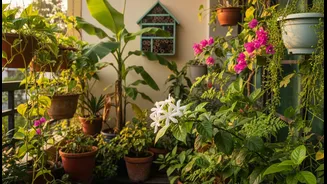
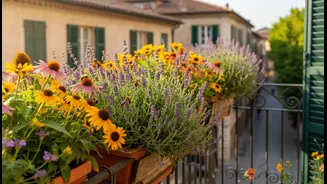
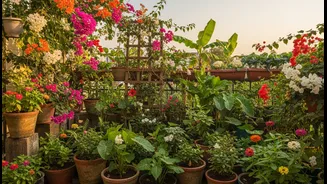
In the concrete landscape of our cities, a small patch of green can feel like an oasis. But it's more than just a feeling. Balcony gardens, no matter their size, act as crucial stepping stones for urban wildlife. A network of green balconies creates a corridor
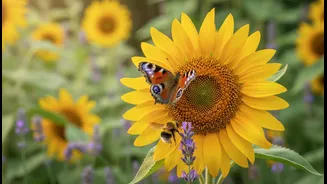
for pollinators like bees and butterflies to navigate the city, find food, and rest. By making a few conscious choices, you can transform your space from a simple collection of plants into a thriving, miniature ecosystem that supports local biodiversity and brings you closer to nature. Every flowering plant and water dish adds a vital resource to an environment where they are increasingly scarce.
Choose Your Plants Wisely
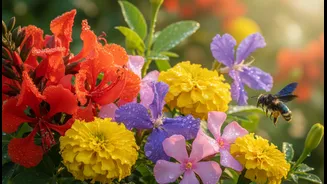
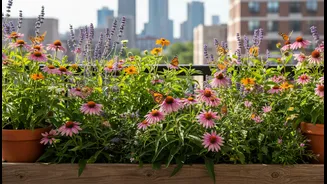
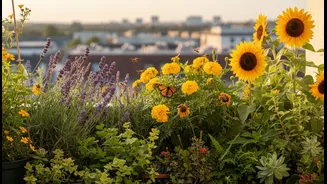
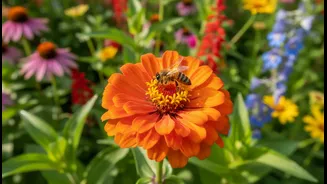
The single most important factor for attracting wildlife is your choice of plants. While any greenery is good, native plants are the foundation of a truly wildlife-friendly garden. They are adapted to the local climate, meaning they generally require less water and care. More importantly, they provide the specific food that local insects and birds have evolved to depend on. For an Indian balcony, consider easy-to-grow, high-impact flowers. Marigolds (Genda) and Zinnias are not only hardy and colourful, but their nectar-rich blooms are magnets for butterflies and bees. Tulsi, or Holy Basil, is another excellent choice; its small flowers are beloved by pollinators.
Create a Year-Round Buffet
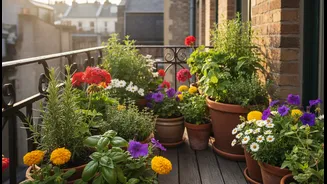
Variety is the key to a busy balcony. Aim to have a mix of plants that flower at different times of the year to provide a continuous food source for visitors. Combine annual flowers with perennial shrubs and climbers. A flowering climber like Butterfly Pea (Aparajita) can add vertical greenery and attract butterflies, while a Hibiscus plant provides large, nectar-filled blooms for sunbirds. Even herbs and vegetables can play a role. Allowing some of your mint, coriander, or dill to flower provides a valuable food source for beneficial insects. The different shapes, colours, and sizes of flowers will attract a wider range of pollinator species.
Water is Life
A reliable water source can make your balcony irresistible to birds and insects, especially during hot weather. You don’t need an elaborate fountain; a simple, shallow dish works perfectly. An old plate, a plant saucer, or even an upside-down dustbin lid can be turned into a birdbath. The key is to keep it shallow. To help smaller creatures like bees, add some pebbles or marbles to the dish. This gives them a safe place to land and drink without the risk of drowning. Remember to change the water daily to keep it fresh and prevent mosquitoes from breeding, and give the dish a good scrub every few days.
Embrace Safer Pest Control
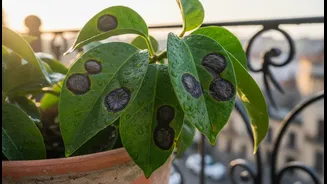
When you’re trying to create a habitat, the last thing you want to do is use harsh chemical pesticides, which can harm the very creatures you hope to attract. The best approach is prevention. Healthy soil creates strong plants that are more resilient to pests. Regularly adding compost to your pots provides essential nutrients. You can also practice companion planting; for instance, the scent of marigolds and aromatic herbs like mint and rosemary can deter many common pests. If you do have an infestation, try a simple spray made of a few drops of mild liquid soap mixed with water, which is effective against soft-bodied insects like aphids. A spray made from neem oil is another excellent and safe option.