






The Tradition of Time and Patience
Authentic rabri is a labour of love. The classic method involves simmering full-fat milk in a heavy-bottomed pan for hours. As the milk slowly reduces, a layer of cream, or malai, forms on top. This is painstakingly scraped from the sides and incorporated
back into the thickening milk. This process is repeated until the milk is dense, creamy, and has a characteristically nutty, caramelized flavour. While the result is undeniably heavenly, the time commitment—often upwards of an hour and a half—is a luxury many don't have. This has traditionally made rabri a dessert reserved for special occasions and festivals.
The Secrets to a 15-Minute Miracle
So, how is it possible to replicate this complex texture and flavour in a fraction of the time? The answer lies in a few smart shortcuts that act as thickening agents. The most popular methods use ingredients like breadcrumbs, milk powder, condensed milk, or even fresh paneer or ricotta cheese. Breadcrumbs, made from white bread with the crusts removed, dissolve into the milk and add body almost instantly. Milk powder and condensed milk are essentially concentrated milk, so they fast-track the reduction process, adding creaminess and sweetness right from the start. Grated paneer or ricotta cheese, when stirred into hot milk, mimics the lumpy, layered texture of traditionally made rabri malai.
Your Quick and Creamy Rabri Recipe
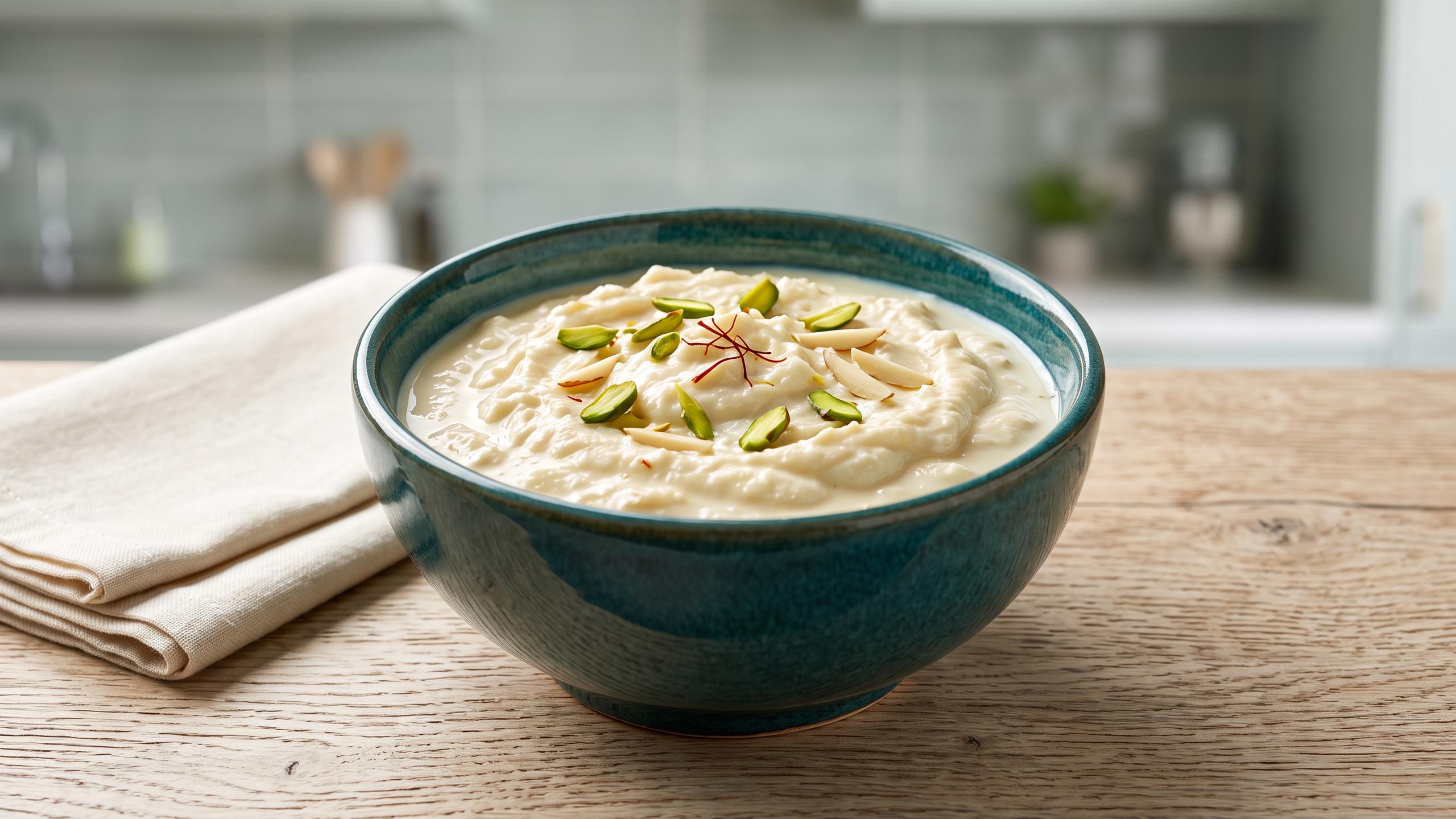
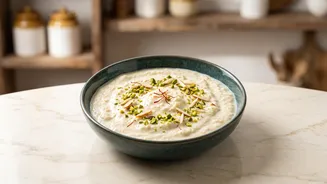
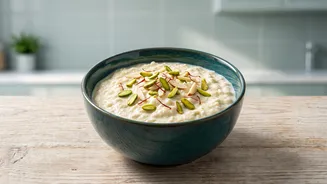
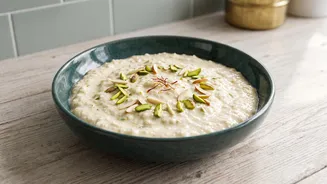
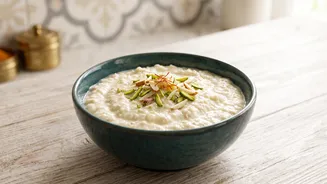
This recipe combines a few of the most effective shortcuts to create a rabri that is rich, flavourful, and ready in minutes. Ingredients: 1 litre full-fat milk, 3 slices of white bread, 1/2 cup condensed milk (adjust to taste), 1/4 cup milk powder, 1/2 teaspoon cardamom powder, 2 tablespoons chopped nuts (almonds, pistachios), a pinch of saffron (optional). Method: First, trim the crusts from the bread slices and grind them into fine crumbs in a blender. In a heavy-bottomed pan, bring the milk to a boil. As it heats, whisk in the milk powder to ensure there are no lumps. Once the milk is boiling, add the breadcrumbs and condensed milk. Stir continuously over medium heat for about 8-10 minutes. The mixture will begin to thicken considerably. Add the cardamom powder, saffron, and chopped nuts, and cook for another 2-3 minutes until you reach your desired consistency. Remember, the rabri will thicken further as it cools.
Tips for Perfect Instant Rabri
To ensure your quick rabri is a success, keep a few things in mind. Always use full-fat milk; the higher fat content is crucial for a rich and creamy texture. Stirring is key. Even though this is a quick recipe, you can't walk away from the stove. Continuous stirring prevents the milk and bread from sticking to the bottom of the pan and burning. Taste and adjust the sweetness as you go. Since condensed milk is already sweet, you may not need any extra sugar. For the best flavour, toast your chopped nuts lightly in a dry pan before adding them to the rabri. This releases their natural oils and enhances their crunch. Finally, don't over-thicken it on the stove. Aim for a consistency that is like a thick pouring custard, as it will set to a scoopable texture upon cooling.
How to Serve and Elevate Your Rabri
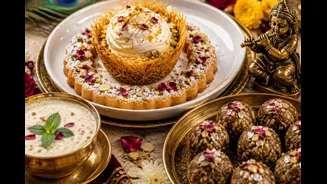
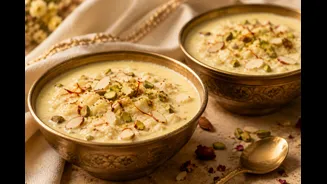
Rabri is incredibly versatile and can be served either warm or chilled, though many prefer it cold from the refrigerator. It is famously paired with other Indian sweets, creating some of the most iconic dessert combinations. Pour chilled rabri over hot, crispy jalebis for a delightful contrast in temperature and texture. It is also a classic accompaniment for malpua, gulab jamun, and shahi tukda. For a simple yet elegant dessert, serve the rabri in small earthen pots (matkas), garnished with extra nuts and a few dried rose petals. You can also infuse it with other flavours; adding a bit of rose water at the end gives it a lovely floral aroma, while blending in some mango puree can transform it into a seasonal mango rabri.