





The Verdict on Fried Snacks
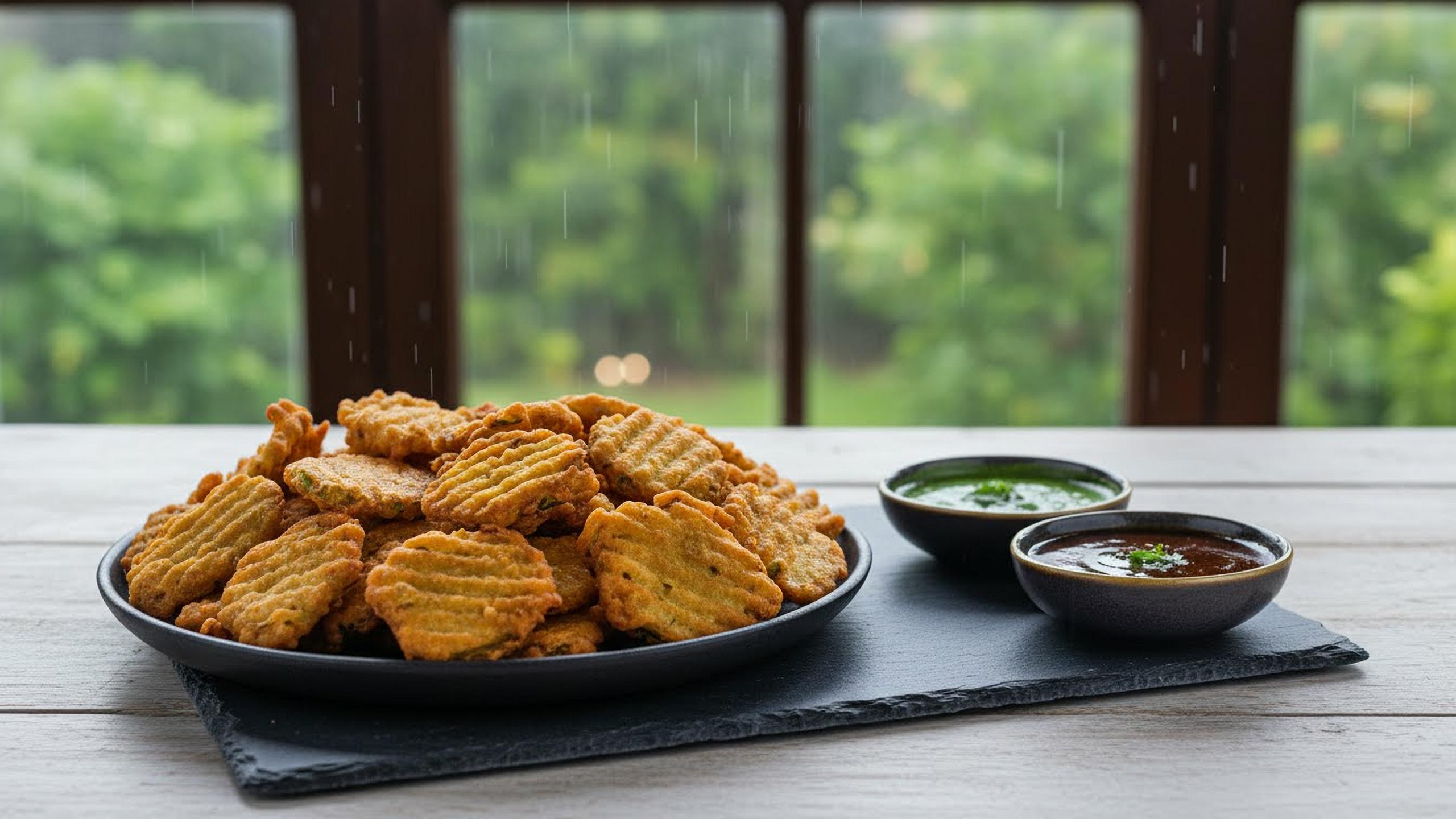
That irresistible urge for hot, crispy bhajis or samosas when it rains is a near-universal experience. But is there any truth to the advice to avoid them? This one is confirmed, mostly. The high humidity during the monsoon can slow down our digestive
system. Heavy, oily foods are harder to digest and can lead to issues like bloating and indigestion. While indulging once in a while is unlikely to cause harm, making a daily habit of fried snacks can put a significant strain on your gut. Experts suggest opting for lighter, steamed, or baked snacks instead. If you must indulge, try to do so in moderation and ensure the oil used is fresh.
Leafy Greens: To Eat or Not to Eat?
Traditional advice strongly warns against eating leafy green vegetables like spinach and cabbage during the monsoon. This is largely confirmed, and the reason is hygiene. The damp, muddy conditions are ideal for bacteria, fungi, and other germs to thrive on the leaves. Since these vegetables grow close to the soil, they are highly susceptible to contamination from dirt and parasites. While you don't have to eliminate them completely, extreme caution is necessary. Nutritionists advise against eating them raw, such as in salads. If you do eat them, they must be washed thoroughly—ideally soaked in salt or vinegar water—and cooked properly to kill any potential pathogens.
The Caution Around Seafood
The rule to avoid fish and other seafood during the monsoon is well-founded and confirmed by experts. There are two main reasons for this. Firstly, the monsoon is the breeding season for many types of fish, so fishing is often reduced to allow populations to replenish. This means that much of the seafood available in markets is not fresh but frozen stock, which carries a higher risk of spoilage and contamination if not stored hygienically. Secondly, increased rainwater runoff pollutes water bodies, and fish can accumulate harmful bacteria, pollutants, and even parasites, increasing the risk of waterborne diseases. It's generally safest to limit or avoid seafood during this season.
The Curd and Yogurt Controversy
This is one of the most persistent monsoon myths: that eating curd or yogurt can cause colds and coughs. Modern science largely debunks this. There is no evidence to suggest that consuming curd leads to viral infections. In fact, fresh curd is a probiotic, meaning it contains good bacteria that support gut health and digestion, which is particularly important when the digestive system is weaker during the monsoon. However, Ayurvedic tradition often advises caution, suggesting its 'cooling' nature might not suit the damp season. The consensus is that fresh, room-temperature curd is perfectly safe and beneficial for most people. It is best to avoid curd that is sour or has been refrigerated for too long.
Immunity-Boosting Powerhouses
The age-old practice of adding more ginger, garlic, and turmeric to meals during the monsoon is strongly confirmed. These ingredients are celebrated in both traditional medicine and modern nutrition for their potent properties. Ginger and garlic are known for their antibacterial and antiviral capabilities, helping the body fight off common seasonal infections. Turmeric contains curcumin, a compound with powerful anti-inflammatory benefits that can help boost overall immunity. Incorporating these spices into daily cooking through herbal teas, soups, and curries is an effective way to support your body's natural defenses against the health challenges of the rainy season.