




Deep beneath Singapore lies an engineering marvel set to play a key role in global energy security. A new agreement will see Saudi Arabian crude oil stored in the Jurong Rock Caverns, a move that cements a powerful strategic partnership.
An Engineering Marvel Beneath the Sea
The Jurong Rock
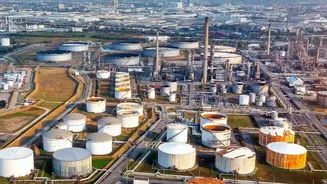
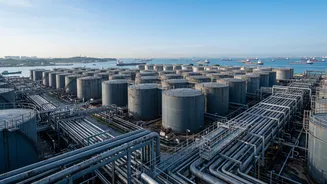
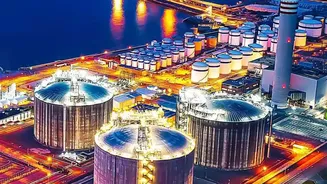
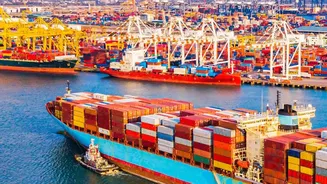
Caverns (JRC) are Southeast Asia's first commercial underground facility for storing liquid hydrocarbons like crude oil and condensate. Located on Jurong Island, Singapore's energy and chemicals hub, these caverns are not just underground—they are 130 metres below the seabed. The facility consists of five huge caverns, with each chamber as tall as a nine-storey building, connected by kilometres of tunnels. Completed in 2014, the JRC has a total storage capacity of 1.47 million cubic metres, which is equivalent to about 9 million barrels of oil or the volume of 600 Olympic-sized swimming pools. Building the caverns was a monumental task that took over 15 years from concept to completion, requiring engineers to carve massive spaces out of solid rock deep beneath the ocean floor.
Why Go Underground?
For a country as land-scarce as Singapore, building vast oil tank farms on the surface is not a viable long-term strategy. By moving this critical infrastructure underground, the Jurong Rock Caverns freed up 60 hectares of prime industrial land—an area equivalent to about 70 football fields. This surface land can now be used for higher-value activities like advanced manufacturing and research facilities. Beyond saving space, underground storage offers significant safety and security benefits. The caverns are protected from surface-level hazards like fires or explosions, and the natural hydrostatic pressure from the surrounding groundwater helps prevent oil from seeping out, ensuring the reserves are safely contained.
A Strategic Win for Saudi Arabia
For Saudi Arabia, specifically its state-owned oil giant Saudi Aramco, storing crude in Singapore is a shrewd strategic move. The primary benefit is proximity to its biggest customers. Asia is the world's largest oil-consuming region, and having a stockpile in Singapore allows Aramco to respond much faster to the needs of major buyers in China, Japan, and South Korea. This arrangement makes its supply chain to Southeast Asia more resilient and flexible, reducing shipping times and allowing it to better manage inventory in response to market demand or potential supply disruptions, such as recent tensions in the Strait of Hormuz. The deal, expected to begin in the second half of 2027, strengthens Aramco's foothold in this critical market.
Bolstering Singapore's Energy Hub Status
This partnership is equally beneficial for Singapore. The city-state has long been one of the world's top three oil trading and refining hubs, alongside Houston and New York. Its strategic location on a major global shipping lane has made it a crucial node in the world's energy supply chain. Welcoming Saudi crude into the Jurong Rock Caverns reinforces this status, enhancing its reputation as a secure and reliable partner in global energy trade. Furthermore, the agreement boosts Singapore's own energy security. The stored crude will be available to support the nation's needs in the event of a severe supply crisis, providing an essential buffer against global volatility.
The Bigger Picture: Geopolitics and Stability
The Singapore–Saudi Arabia oil storage deal is more than just a commercial arrangement; it’s a significant geopolitical development. It strengthens the strategic ties between a key Middle Eastern producer and a top Asian economic hub. In a world of increasing energy uncertainty, such partnerships help create stability. By decentralising storage away from production sites and closer to consumption centres, facilities like the JRC act as a buffer that can help stabilise regional energy markets during a crisis. For energy–importing nations across Asia, including India, moves that enhance the predictability and resilience of oil supplies are a welcome development for economic security.