

The Magic of a Kadhai Full of Salt
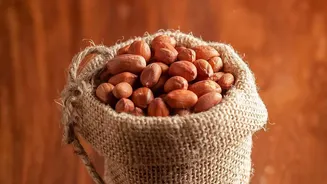
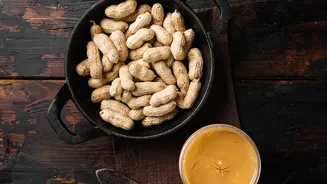
The technique behind these addictive snacks is a time-honoured method known as hot salt roasting, or sometimes sand roasting. Street vendors use a large, heavy-bottomed wok, or kadhai, filled with salt, which is heated to a high temperature. Raw peanuts
are then added to this bed of searingly hot salt. The key is constant motion. The vendor continuously stirs and tosses the peanuts through the salt, ensuring they never sit in one spot for too long. This process is a common sight, a rhythmic dance of metal ladle against wok, resulting in perfectly cooked peanuts that are scooped out with a sieve, leaving the hot salt behind for the next batch. The salt itself can be reused multiple times, becoming darker with each use but remaining effective.
The Science of a Superior Crunch
This method isn't just for show; it's rooted in brilliant food science. Roasting peanuts directly over a flame or in a dry pan can lead to uneven cooking—scorched on the outside while still raw inside. The hot salt acts as a perfect medium for heat transfer. It envelops each peanut, distributing heat evenly and consistently from all sides. This indirect, radiant heat gently but effectively roasts the nut all the way through. The salt draws moisture out of the peanuts efficiently, which is crucial for achieving that signature brittle, crunchy texture. Unlike oil roasting, which adds fat and can sometimes result in a greasy finish, salt roasting is a dry process that enhances the nut's natural flavour without adding oil.
Perfectly Seasoned from the Inside Out
One might assume the peanuts would end up overwhelmingly salty, but the process is surprisingly delicate. While some recipes call for a quick rinse of the peanuts before they hit the heat, allowing a fine layer of salt to adhere, the primary salting is more subtle. The intense heat causes microscopic fissures to open on the nut's surface. A small amount of salt vapour and fine particles adhere to and penetrate these outer layers, seasoning the peanut perfectly as it roasts. The result is a flavour that feels integrated into the nut itself, rather than just sitting on the surface like an afterthought. It's a method that seasons and cooks in a single, efficient step.
A Timeless and Versatile Technique
Hot salt or sand roasting is an ancient and widespread technique, particularly in regions where ovens were not common household items. This method has been used for generations across India and other parts of Asia to cook various snacks. Beyond peanuts, you might see vendors using the same kadhai of hot salt to pop corn, puff rice, or roast chickpeas (chana). It's a testament to the ingenuity of traditional cooking methods, creating delicious and shelf-stable foods with minimal equipment. The process is efficient, imparts a unique texture and flavour, and has been a beloved part of street food culture for centuries.