

The Global Rice Deficit
For the 2026/27 season, the world is facing a rice production deficit. Global consumption is projected to hit a record 541 million metric tonnes, while production is forecast to be lower, at around 538 million tonnes. This creates a fundamental supply-demand
gap. While this doesn't mean the world is running out of rice—large reserves in countries like India and China provide a buffer—it does signal a significant shift. For years, the market has enjoyed production surpluses, but that cushion is shrinking. This tightening market means that any disruption, whether from conflict or weather, has a more pronounced effect on prices for everyone.
Conflict and Cost
Global conflicts, even those far from India's borders, are having a direct impact on the cost of producing and transporting rice. The war in Iran, for example, has disrupted fuel and fertilizer flows, driving up costs for farmers in key rice-exporting nations like Thailand and Vietnam. These increased input costs are inevitably passed down the supply chain. In September 2026, reports indicated that grain and crop prices have been climbing, with rice up 14 percent since the start of the year due to a combination of fertilizer price hikes and geopolitical tensions. When production costs rise for major exporters, the base price for rice on the global market increases, affecting what import-reliant nations pay and influencing domestic prices even in producer countries like India.
Weather's Unpredictable Hand
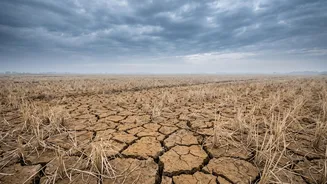
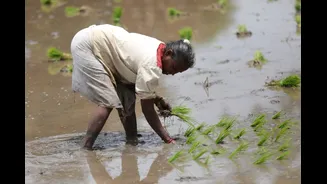
Alongside conflict, extreme weather is playing a major role. The ongoing El Niño weather pattern is bringing hotter, drier conditions to parts of Asia, threatening yields. According to the U.S. Department of Agriculture, global rice production is set to fall for the first time in over a decade, partly due to these climate events. India's own 2026 monsoon has seen below-normal and uneven rainfall, leading to projections of its first year-on-year reduction in rice production in recent memory. New research also indicates that for every degree Celsius of warming, rice production could fall by as much as 8 percent, a higher figure than previously estimated, underscoring the growing threat of climate change to food security. These weather-related production shortfalls contribute directly to the tighter global supply.
The Policy Puzzle
In response to price volatility, governments often turn to trade policies. India, as the world's largest rice exporter, holds significant influence. After imposing restrictions in 2022 and 2023 to control domestic prices, India has since lifted many of these bans. This has helped moderate global prices from previous highs. However, the policy landscape remains fluid. For instance, India recently mandated new inspection certificates for exports to European countries, a move that aligns with international standards but adds a layer of process for exporters. Domestically, states like Telangana, which produce far more rice than they consume, are now planning dedicated export policies to tap into a growing global market. These decisions create a complex environment where domestic needs are balanced against international market opportunities, preserving a status quo of careful management rather than free-flowing supply.
A New, Stable Reality
The combination of a structural supply deficit, persistent cost inflation from conflicts, climate-driven yield uncertainty, and cautious government policies has created the "preserved status" mentioned in the headline. The era of comfortable surpluses that kept prices low appears to be over, replaced by a new equilibrium. The market is not in a state of constant crisis, but it is operating with much thinner margins. This means prices are less likely to fall back to previous lows and will remain highly sensitive to any new disruption. This sustained pressure is the new reality for consumers and policymakers alike, where the price on the shelf is a direct reflection of a fragile and interconnected world.