


What 'Food-Grade' Actually Means
When a container is labelled 'food-grade', it means the material has been certified by regulatory bodies, like the FSSAI in India, as safe for direct contact with food. The manufacturer guarantees that, under normal conditions, the material won't transfer
harmful substances, unwanted flavours, or odours to what you eat. This applies to a wide range of materials, including specific plastics like polypropylene (PP) and polyethylene (PE), as well as glass and stainless steel. However, this certification applies to the container in its new, intended state. It’s a starting point for safety, not the final word.
Spotting Damage: When Good Containers Go Bad
Physical damage compromises a container's safety, turning a once-safe item into a potential hazard. For plastics, look for deep scratches, cuts, and gouges. These tiny crevices are difficult to clean and can become breeding grounds for harmful bacteria. A warped, cloudy, or heavily stained appearance is another red flag, indicating the plastic's structure is breaking down. With glass containers, even small chips or cracks can create weak points that may break under temperature changes, while also harbouring germs. For metal containers, rust or significant dents can compromise the protective lining. If you see any of these signs, it's time to retire the container from food duty.
The Invisible Threat of Degradation
Not all damage is visible. The integrity of plastic containers can be slowly degraded by external factors. High heat is a primary culprit; repeatedly using containers in the microwave or washing them in a hot dishwasher cycle can weaken the plastic's structure. This thermal stress can accelerate the breakdown of the polymer, increasing the risk that chemicals and microplastics leach into your food. Harsh detergents and abrasive scrubbers can also cause microscopic damage that accumulates over time. Even exposure to acidic foods like tomato sauce or high-fat dishes can hasten the degradation process in certain types of plastics.
Common Misuse That Voids the Safety Label
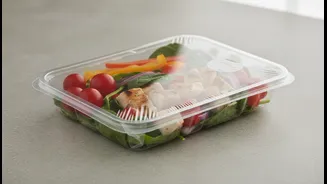
Using a container for a purpose it wasn't designed for is a common form of misuse. For example, many thin plastic containers used for takeaways or single-serving yogurts are intended for one-time use only. Reusing them for long-term storage or reheating is risky because they are not built to withstand repeated heating and cooling cycles. Similarly, microwaving a container that isn't explicitly labelled 'microwave-safe' can cause it to warp, melt, and release chemicals. The 'food-grade' label only applies when the item is used as directed by the manufacturer. Ignoring these instructions effectively voids its safety assurance.
Your Checklist for Safer Food Storage
Maintaining food safety is an ongoing practice. Regularly inspect all your food containers for signs of wear and tear like scratches, cracks, or warping. Always follow the manufacturer’s care instructions—if it says 'hand-wash only,' keep it out of the dishwasher. Avoid using harsh, abrasive sponges that can scratch surfaces. For plastic containers, be mindful of the recycling codes; plastics with codes 2, 4, and 5 are generally considered safer for repeated use, while you should be more cautious with others. A simple rule of thumb is: when in doubt, throw it out. The convenience of an old container is never worth risking your health.