





The Paradox of Popularity
It’s a classic travel dilemma: a place is so beautiful, so unique, that it becomes world-famous. Hordes of visitors arrive, eager to capture its magic. To manage them, infrastructure is built, tours are created, and prices are set. Before long, the very
thing that made the place special—a sense of wildness, discovery, or quiet reverence—can feel diminished. Australia, a continent of staggering natural beauty and deep cultural heritage, is not immune. From its vibrant reefs to its sacred monoliths, some of its most celebrated destinations now grapple with the pressures of their own success, leaving visitors to navigate the fine line between a genuine experience and a commercial transaction.
The Great Barrier Reef: A Managed Wonder
As one of the world's seven natural wonders, the Great Barrier Reef attracts over two million tourists a year. For many, the experience is facilitated by large-scale tourism operators offering day trips from hubs like Cairns and the Whitsundays. While these tours provide crucial access and can play a positive role in education, the experience can feel highly structured. Visitors often find themselves on crowded pontoons or following a strict schedule, which can detract from the feeling of natural immersion. Furthermore, high visitor numbers place significant pressure on the fragile ecosystem. Though many operators now partner in conservation efforts, the sheer volume of boat traffic and human activity remains a concern for the reef's long-term health.
Uluru: Balancing Culture and Commerce
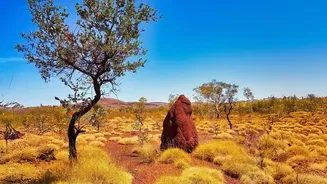
Uluru is not just a spectacular rock; it is a place of profound cultural and spiritual significance to the Anangu, its Traditional Owners. Despite its remote location, it is a major tourist draw. Since the historic closure of the climb in 2019, the focus has rightly shifted to understanding its cultural importance from the ground. However, the tourism infrastructure at the nearby resort town of Yulara can feel disconnected from this sacredness. While the closure of the climb was a vital step, it highlights the ongoing challenge of ensuring tourism directly benefits the local Anangu community and that the visitor experience prioritizes cultural education over simple sightseeing. The goal is to create a more immersive and respectful encounter, moving beyond a bucket-list photo opportunity.
Urban Icons and Overtourism
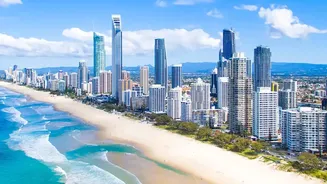
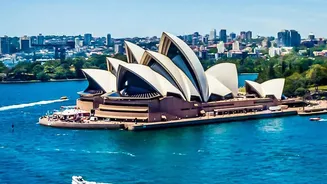
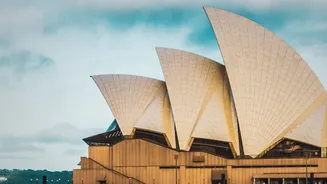
The pressures of commercialization aren't limited to natural wonders. In cities like Sydney, iconic spots such as Bondi Beach can become so crowded during peak seasons that the experience is compromised. A recent survey highlighted that Sydney, Melbourne, and the Gold Coast attract the vast majority of Australian tourists, leading to concerns about overtourism reaching a tipping point in these hotspots. In the Blue Mountains, a popular day trip from Sydney, some lookouts have faced temporary closures after social media trends led to overwhelming visitor numbers, straining infrastructure and degrading the environment. This phenomenon of 'zero-spend tourism', where visitors arrive for a photo and leave without contributing to the local economy, puts pressure on public resources without providing a tangible benefit to the community.
Seeking a More Authentic Connection
So, how can travellers find a more genuine Australian experience? The answer often lies in looking beyond the most heavily marketed destinations. Instead of a large reef tour, consider a smaller, eco-certified operator or explore less-famous sections of the coast like Ningaloo Reef in Western Australia. Rather than joining the crowds at the most popular lookouts, try visiting at off-peak times or exploring lesser-known hiking trails. Many travellers are finding that visiting popular spots like Byron Bay in the off-season can be up to 40% cheaper and significantly quieter. Exploring regional gems and underrated destinations not only provides a more unique and peaceful experience but also helps distribute the economic benefits of tourism more evenly across the country.