



The Foundation: Classic Rava Upma
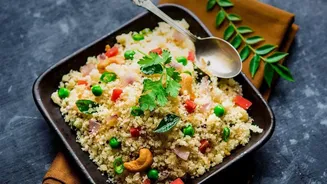
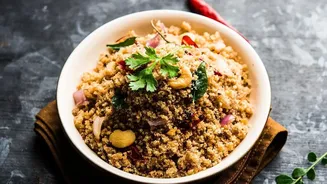
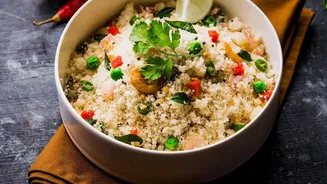
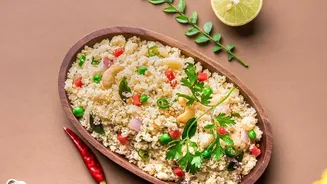
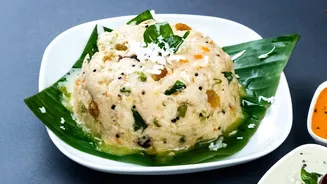
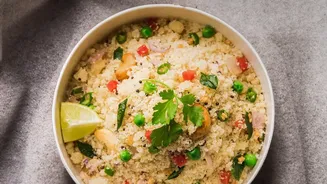
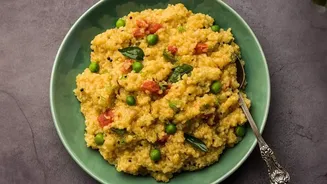
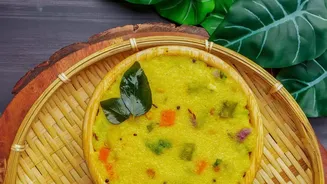
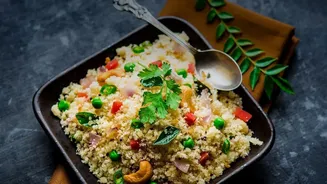
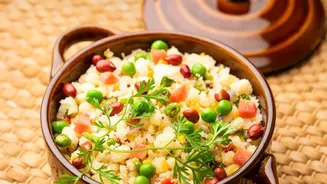
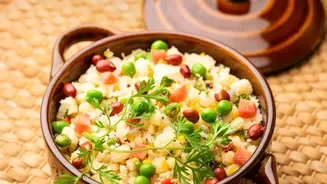
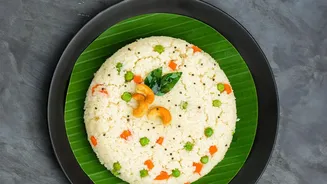
This is the upma most of us know and love, made from semolina (rava or sooji). Its beauty lies in its simplicity: roasted rava cooked with a tempering of mustard seeds, lentils, onions, ginger, and green chillies. The result is a fluffy, savoury porridge
that is both comforting and quick to prepare. Vegetables like carrots and peas are often added for extra nutrition and texture. The key to a great rava upma is in the roasting of the semolina, which imparts a nutty aroma and prevents stickiness. Getting the water-to-rava ratio right is also crucial for achieving that perfect, non-lumpy consistency.
The Noodle Twist: Semiya Upma
A favourite among kids and adults alike, semiya upma replaces rava with vermicelli noodles. This dish offers a completely different texture, more akin to a savoury noodle pilaf. The preparation is similar, starting with a classic South Indian tempering. The vermicelli is typically roasted to a golden brown before being cooked with vegetables and spices. One common method involves boiling the vermicelli separately, draining it, and then adding it to the sauteed masala base. This helps ensure the strands remain separate and don't become mushy. It’s a versatile dish that's light yet filling.
The Quick Fix: Poha Upma
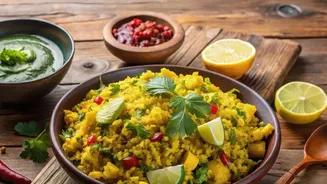
Also known as Aval Upma, this version uses flattened rice flakes (poha). As poha requires minimal cooking time—just a quick rinse and soak to soften—this is one of the fastest breakfast options available. The softened poha is added to a tempering of mustard seeds, onions, curry leaves, and often peanuts or cashews for a delightful crunch. Regional variations abound; in Maharashtra, it's famous as Kanda Poha, with a distinct flavour from onions, turmeric, and a hint of sugar, often garnished with lemon and fresh coriander. It’s a light, fluffy, and easily digestible meal.
The Clever Leftover: Bread Upma
Bread upma is the ultimate resourceful breakfast, perfect for using up day-old bread. Cubed bread pieces are toasted until crisp and then tossed into a flavourful masala. The base is typically a saute of onions, tomatoes, ginger, and spices like turmeric and chilli powder. A splash of water is sometimes added to soften the tomatoes before the bread is mixed in, allowing it to soak up all the savoury flavours without becoming soggy. Finished with a squeeze of lemon and a garnish of fresh coriander, it transforms simple bread into a tangy, spicy, and satisfying meal.
The Gluten-Free Grain: Akki Tari Uppittu
Hailing from Karnataka, Akki Tari Uppittu is made from coarse rice grits, also known as rice rava. This makes it a fantastic gluten-free alternative to the standard semolina upma. It has a heartier, more distinct grain texture. The process involves cooking the rice rava with a tempering of lentils, mustard seeds, and chillies, similar to other upma styles. Often, vegetables and fresh herbs like dill leaves are incorporated, along with grated coconut for a richer flavour profile. It is a wholesome and traditional dish that offers a wonderfully different mouthfeel.
The Fasting Favourite: Sabudana Upma
Known as Sabudana Khichdi in many parts of India, this upma is made from tapioca pearls (sago). It is a popular dish during fasting periods like Navratri but is enjoyed year-round. The key to perfect, non-sticky sabudana upma lies in soaking the pearls correctly—for a few hours or overnight until they are soft but still hold their shape. The soaked pearls are then gently cooked with boiled potatoes, roasted peanuts, green chillies, and cumin seeds. The peanuts provide a wonderful crunch that contrasts with the chewy softness of the sabudana, creating a unique and beloved texture.