







The Promise of Connecting India
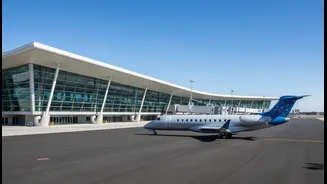
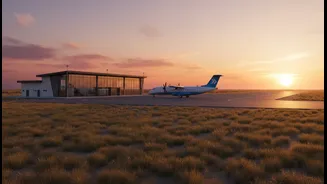
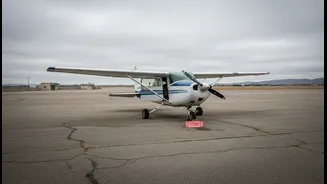
Launched in 2016, the Ude Desh ka Aam Naagrik (UDAN) scheme was built on a powerful promise: making air travel accessible to the common citizen. The goal was to connect India's vast network of unserved and underserved airports in Tier-2 and Tier-3 cities,
boosting local economies and making travel faster and easier. By providing subsidies to airlines through Viability Gap Funding (VGF), the government aimed to make these regional routes financially attractive for carriers, who in return would offer a number of seats at capped, affordable prices. Since its inception, the scheme has operationalised hundreds of routes and connected dozens of new locations, giving millions of passengers their first taste of air travel.
A Turbulent Journey So Far
Despite its successes, the journey of UDAN has been turbulent. A significant challenge has been the commercial viability of the routes once the initial subsidy period ends. According to government data from late 2025 and early 2026, a large number of routes have been discontinued. One report noted that of 663 operationalised routes, 327 were later discontinued for reasons including low passenger demand and airline operational issues. In some cases, small airlines that won bids for numerous routes struggled financially and failed to commence operations, hindering the scheme's progress. Furthermore, many airports identified for development lacked adequate infrastructure, such as instrument landing systems, leading to flight cancellations and making it difficult to build sustained passenger traffic. These challenges highlighted a crucial lesson: building an airstrip is not enough; ensuring its long-term operational and financial sustainability is the real test.
What’s New in the Modified 'Viksit UDAN'?
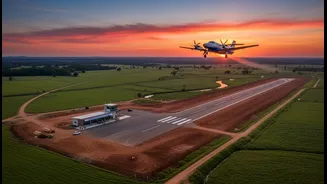
In response to these learnings, the Union Cabinet in March 2026 approved a modified framework, recently launched as 'Viksit UDAN'. With a significant outlay of nearly ₹29,000 crore spread over ten years, this new phase is more than just an extension; it's a strategic overhaul. Key features include a massive push for infrastructure, with plans to develop 100 airports from existing unserved airstrips and build 200 modern helipads to improve connectivity in hilly and remote areas. Recognising the sustainability problem, the scheme now provides financial support to airlines for five years instead of three, though the funding will taper after the third year. It also earmarks funds for the operation and maintenance of these regional airports for an initial period to ensure they remain viable.
Why Careful Planning is Critical Now
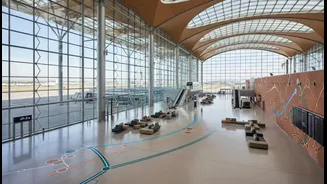
The modified scheme's success hinges on meticulous planning that directly addresses past failures. The core issue remains demand. Without sufficient and consistent passenger numbers, routes will inevitably fail once subsidies are withdrawn. Therefore, planning must involve more than just connecting two points on a map. It requires a deeper analysis of the economic potential, tourism circuits, and trade links that can generate organic, year-round traffic. The selection of airline operators is another critical factor. The scheme needs financially stable airlines with robust operational plans, rather than relying on smaller players who may lack the resources to sustain services. Infrastructure development must also be more holistic. It's not just about runways, but also about ensuring all-weather operational capability, adequate terminal facilities, and ground handling services that can support scheduled flights reliably. The tapered funding model requires airlines to have a clear roadmap to profitability, making market development a shared responsibility from day one.
Avoiding Past Mistakes for a Smoother Flight
To avoid repeating past mistakes, the implementation of Viksit UDAN must be rooted in a collaborative approach between the central government, state governments, and airline operators. States play a vital role in reducing taxes on jet fuel and providing security, which directly impacts an airline's operating costs. The focus on indigenous aircraft, such as HAL Dornier and Dhruv helicopters, is a positive step towards creating a self-reliant aviation ecosystem tailored to regional needs. However, this must be paired with skill development to ensure a steady supply of trained pilots and maintenance crew for these specific aircraft types. Ultimately, the next decade of UDAN must transition from a purely subsidy-driven model to one that fosters self-sustaining aviation markets. This requires a shift in mindset from just launching routes to nurturing regional air corridors that can thrive on their own.