





The Appeal of Instant Dessert
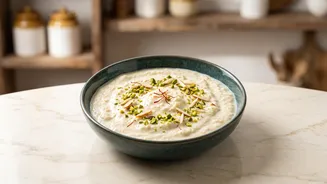
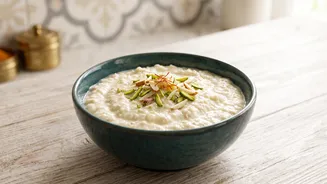
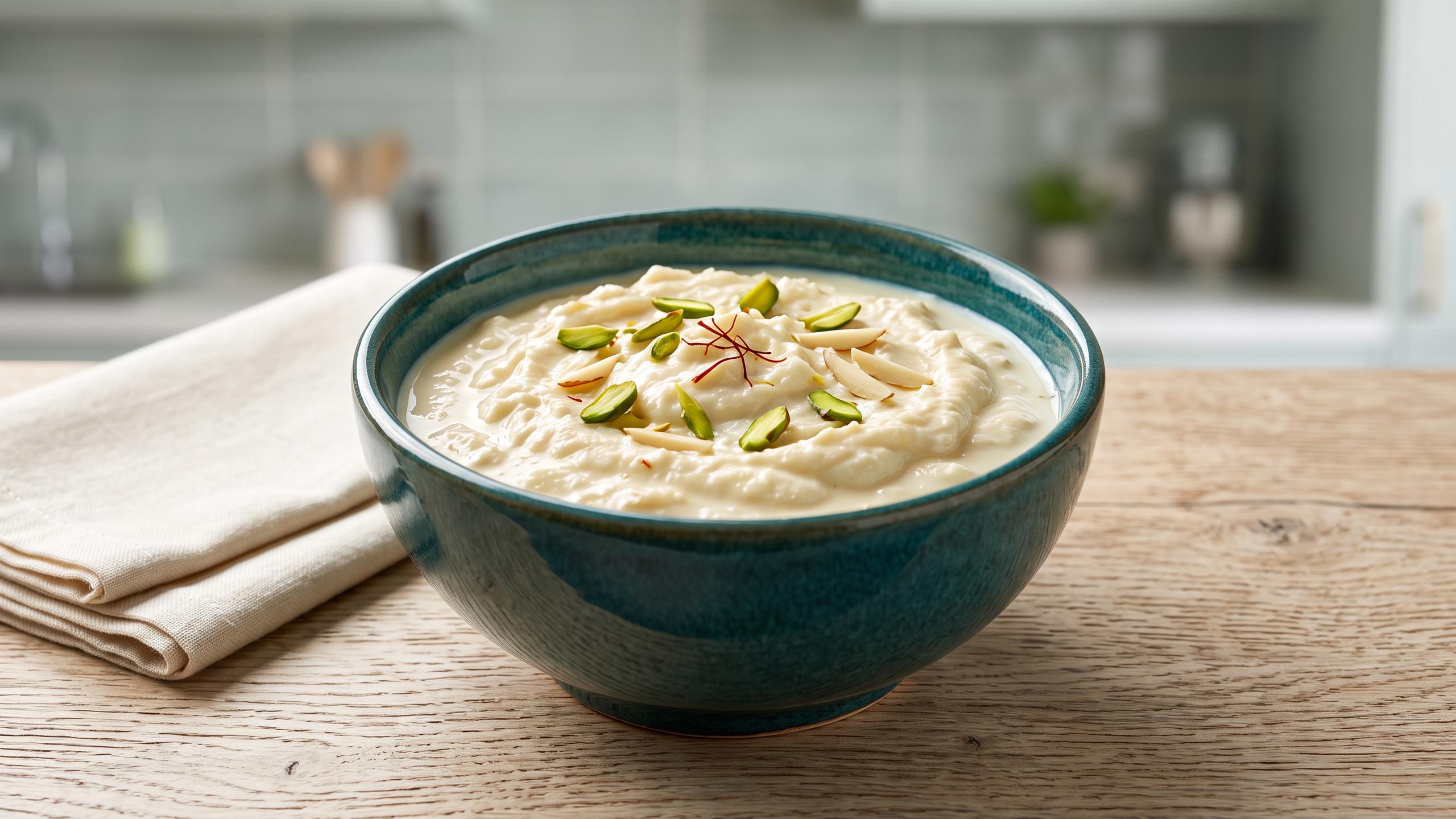
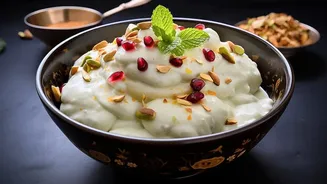
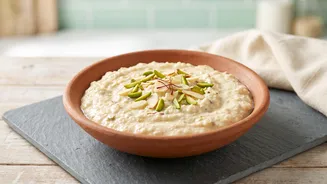
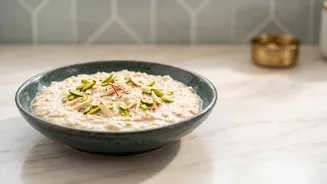
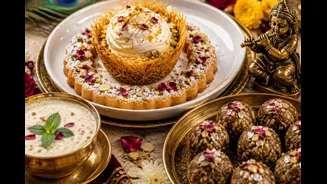
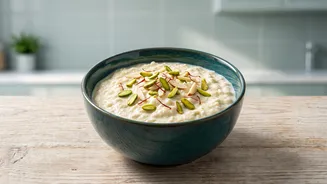
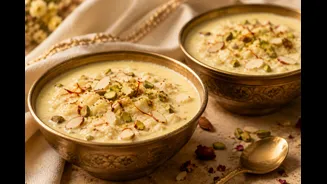
Rabri is a beloved North Indian dessert, a creamy, thickened milk confection savoured on its own or paired with treats like jalebi and malpua. Its defining characteristic is a rich, nutty flavour and a delightful texture, achieved by slowly simmering
full-fat milk for hours until it reduces and forms luscious layers of cream, or 'lachhas'. This traditional process is a true labour of love, requiring patience and constant attention. It's this time-intensive nature that makes the idea of a 15-minute rabri so incredibly appealing. In our fast-paced lives, a method that promises the essence of a classic sweet in a fraction of the time is hard to ignore. It represents the ultimate kitchen hack: all the reward with minimal effort.
Deconstructing the Speedy Method
So, how is it possible to create rabri in just 15 minutes? The secret lies in bypassing the lengthy milk-reduction process. Instead of simmering milk for hours to thicken it, instant methods use powerful thickening agents to create a similar consistency quickly. The most common shortcuts involve ingredients like breadcrumbs, milk powder, condensed milk, or even fresh paneer and ricotta cheese. In one popular technique, bread slices, with crusts removed, are blended into fine crumbs and added to boiling milk. The starch in the bread rapidly thickens the milk, creating a creamy base in minutes. Other methods use a combination of condensed milk for sweetness and body, and milk powder or ricotta cheese to achieve that signature grainy texture.
The Science of the Shortcut
Each shortcut ingredient works to mimic the texture of slow-cooked rabri. Breadcrumbs dissolve and swell, absorbing liquid to give the milk a dense, porridge-like consistency. Milk powder, which is essentially dehydrated milk solids, rehydrates and instantly adds thickness and a concentrated milky flavour. Condensed milk offers a double advantage: it’s already reduced and sweetened, cutting down two steps at once. Perhaps the most clever substitutes are paneer and ricotta cheese. When crumbled and gently cooked in milk, their soft, grainy texture does a remarkable job of imitating the 'lachhas' or clotted cream layers found in authentic rabri. These agents are all about creating a textural illusion that gives the impression of a slow-cooked dessert.
Traditional Rabri: The Art We're Sidestepping
To appreciate the shortcut, it's important to understand the art it sidesteps. Traditional 'lachha rabri' is made in a wide, heavy-bottomed pan. As full-fat milk simmers on a low flame, a layer of cream (malai) forms on the surface. This layer is carefully moved to the side of the pan and stuck there. This process is repeated over and over, building up layers of solidified cream. After the milk has reduced to about one-third of its original volume, these collected cream layers are scraped back into the thickened milk. This not only creates the signature texture but also imparts a deep, nutty, and slightly caramelized flavour from the slow cooking process that an instant version can't fully replicate.
An Honest Flavour Comparison
While the 15-minute method is a game-changer for convenience, there are trade-offs in flavour and texture. Instant rabri is sweet, creamy, and satisfying for a quick dessert craving. However, it often lacks the deep, complex, and caramelized notes that develop from slowly cooking milk for hours. The texture created by thickeners like bread can sometimes be more pasty than creamy, while the versions using paneer or ricotta come closer to the authentic graininess. The traditional rabri offers a richer mouthfeel and distinct layers of malai that are its hallmark. The quick version is a delicious dessert in its own right, but it's best viewed as a different, simpler interpretation of the classic.
Tips for Perfecting Your Quick Rabri
If you're trying the 15-minute method, a few tips can elevate the result. When using bread, ensure the crumbs are very fine to avoid a lumpy texture, and consider toasting them lightly to add a nutty flavour. If using milk powder, mix it into a paste with a little cold milk before adding it to the hot milk to prevent lumps. Always use a heavy-bottomed pan and stir continuously to prevent the mixture from scorching, especially since the thickeners can cause it to stick easily. Finally, don't skimp on the aromatics. Good quality cardamom, a few strands of saffron, and a splash of rose water can go a long way in making your instant rabri taste more luxurious.