





A Historic Lift-Off
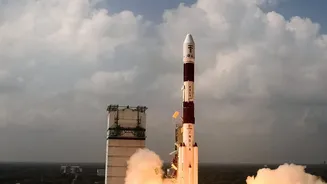
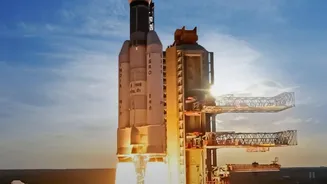
On July 18, 2026, from the Satish Dhawan Space Centre in Sriharikota, a new chapter in Indian history was written. Skyroot Aerospace, a Hyderabad-based startup, successfully launched Vikram-1, its flagship orbital rocket. The mission, named 'Aagaman'
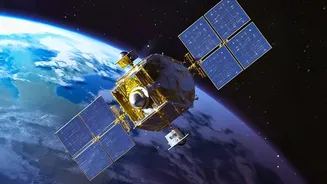
(The Arrival), flawlessly placed its payloads into low Earth orbit. This wasn't just another launch; it was the first time an Indian private company had achieved orbital flight. The success instantly placed India in an elite club alongside the United States and China as nations with private companies capable of sending satellites into space. This moment was the culmination of years of relentless work, innovative engineering, and the validation of a bold vision that started in 2018.
The Founders' Gambit
The story of Skyroot is a classic tale of entrepreneurial grit. Co-founders Pawan Kumar Chandana and Naga Bharath Daka, both former scientists at the Indian Space Research Organisation (ISRO), saw an opportunity where others saw immense risk. They left their prestigious government jobs to build a company that could democratise access to space. The headline’s “₹10 Crore Bet” symbolises the initial high-risk, early-stage capital that fuelled this dream. While the company has since raised over $150 million, that initial leap of faith was crucial. It was a bet on the belief that a private Indian company could design, build, and fly a world-class rocket, challenging the global status quo and creating a new commercial frontier for India.
More Than Just a Rocket
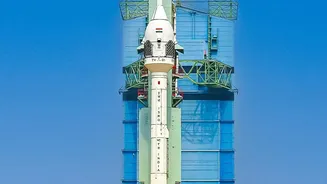
Vikram-1 is an impressive piece of engineering, designed specifically for the burgeoning small satellite market. It is a multi-stage launch vehicle built with an all-carbon composite structure, making it incredibly lightweight yet strong. It features 3D-printed engines and a liquid-fueled final stage for precise satellite deployment. Capable of carrying up to 480 kg to low Earth orbit, Vikram-1 is the perfect vehicle for companies wanting to launch small satellites for communications, Earth observation, or scientific research. Skyroot’s promise of a “cab to orbit” service offers customers the flexibility of dedicated launches or more affordable rideshare missions, a model designed for speed and customisation in a market that has been traditionally slow and rigid.
A New Space Race in India
Skyroot's success was not born in a vacuum. It is the direct result of a strategic policy shift by the Indian government, which opened the space sector to private participation in 2020. The establishment of the Indian National Space Promotion and Authorisation Centre (IN-SPACe) created a single-window agency to support and regulate private players, granting them access to ISRO's invaluable facilities and expertise. This ecosystem approach has unleashed a wave of innovation, with the number of Indian space startups growing from a handful in the last decade to over 400 today. These companies are not just competing with each other; they are creating a robust national capability that can serve both commercial and strategic interests, reducing reliance on foreign launch providers and enhancing India’s sovereign capacity in space.