





An Assembly of Space Stewards
SMOPS-2026, the International Conference on Spacecraft Mission Operations, is not just another tech conference. Hosted by the Indian Space Research Organisation (ISRO) in Bengaluru, it brings together the world's leading space agencies, scientists, and
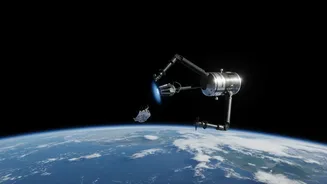
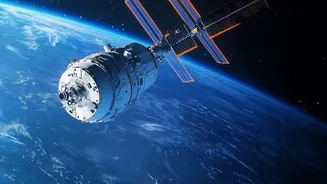
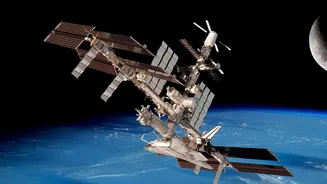
private firms. The focus isn't on the fiery spectacle of rocket launches but on the quieter, more enduring challenge that comes after: successfully and sustainably operating spacecraft once they are in orbit. The theme, 'Innovative Operations for Smart and Sustainable Space Mission Management', points to the core issues being discussed, from handling large satellite constellations and human spaceflight to cybersecurity and managing space traffic. It’s a vital forum for collaboration in a domain that is becoming increasingly crowded and complex.
Beyond the Launchpad
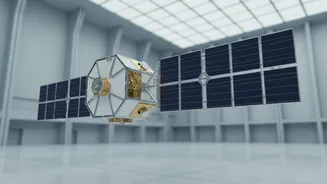
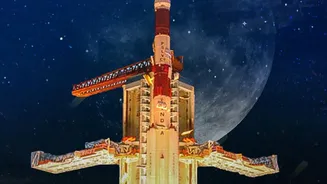
A rocket launch is a triumphant and visible moment, but it's merely the first step of a satellite's long journey. The real work, the 'mission operations', begins once the satellite is deployed. This is a continuous, 24/7 process managed by teams of highly skilled engineers and technicians on the ground. Think of it like being a remote mechanic, doctor, and pilot for a vehicle travelling at over 28,000 kilometres per hour, hundreds or thousands of kilometres away. ISRO's Telemetry, Tracking and Command Network (ISTRAC) in Bengaluru is one such nerve centre, responsible for the health and operation of India's fleet of satellites, from the famed Mangalyaan and Chandrayaan missions to the essential earth observation satellites.
The Constant Watch
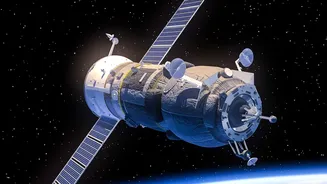
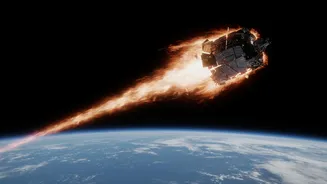
The daily duties of a satellite operator are immense. They constantly monitor a satellite’s trajectory to ensure it stays in its correct orbit. This often requires firing tiny thrusters to make precise adjustments. A critical part of this is collision avoidance. With thousands of active satellites and hundreds of thousands of pieces of space debris, operators must track potential threats and move their multi-crore assets out of harm's way. They also monitor the satellite's health, checking on power systems, thermal controls, and communication links to ensure everything is functioning correctly. Finally, they manage the primary task of the satellite, whether it's capturing images, relaying communication signals, or collecting scientific data, and ensuring that information is successfully transmitted back to Earth.
Why It Matters for India
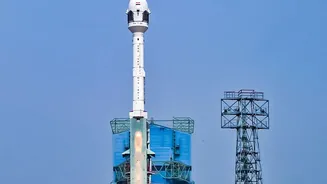
Hosting SMOPS-2026 cements Bengaluru’s and India's position at the heart of the global space ecosystem. For the average person, this high-level work has very tangible benefits. The satellites being managed by these unseen experts are the backbone of modern life. They enable the GPS that guides our cars and delivery services, provide the weather forecasts that protect lives and property, and facilitate the telecommunications that connect our calls, internet, and television broadcasts. Furthermore, they are crucial for national security, resource management like agriculture and water, and disaster response. As India expands its own space ambitions, including the Gaganyaan human spaceflight program, the expertise in mission operations discussed at SMOPS becomes ever more critical.