





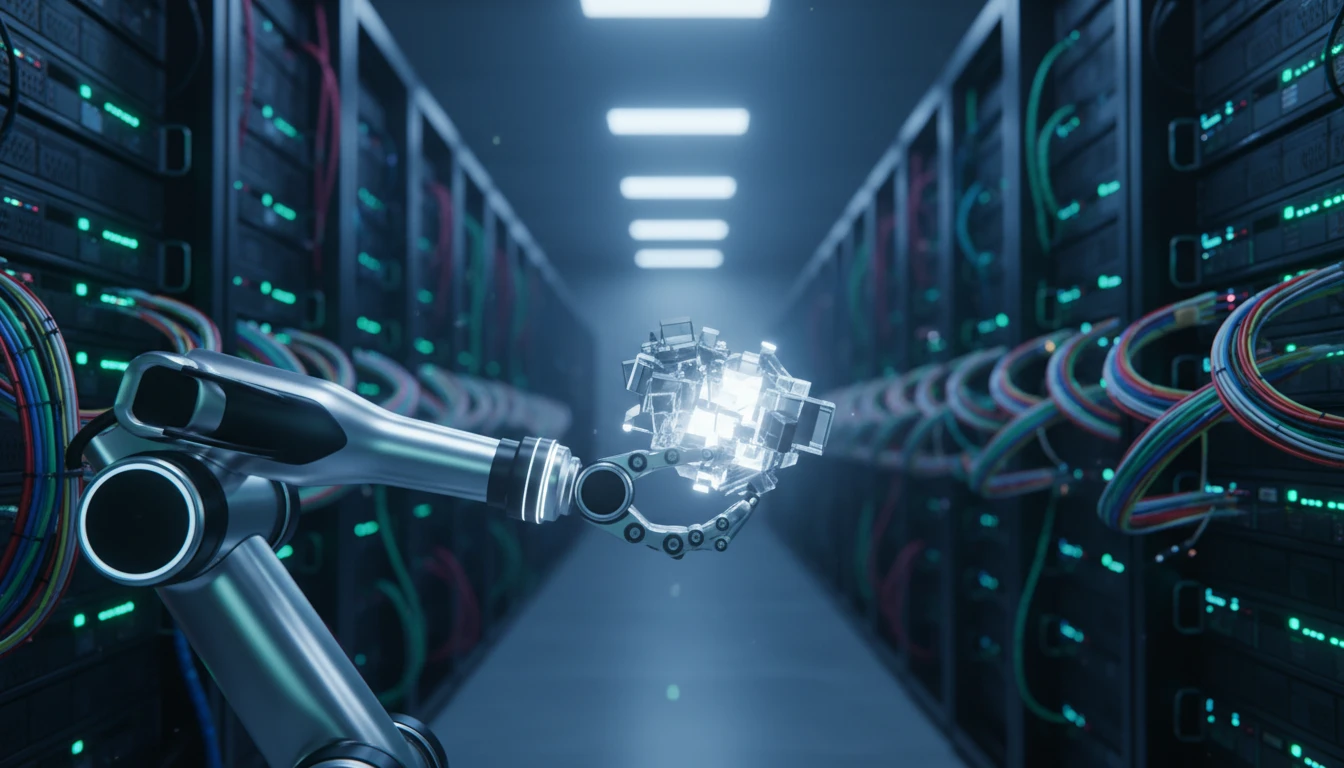




From Cost Centers to Capability Hubs
For decades, the story of Global Capability Centers in India was about cost arbitrage. Multinational corporations set up these captive centers to handle essential but routine functions like IT support, finance, and HR more economically. They were the back-office
engines that kept global operations running efficiently. Today, that narrative has completely flipped. India is home to over 1,800 GCCs employing nearly two million professionals, and their mission has fundamentally changed. The focus is no longer just on saving costs but on creating value. As Chief Economic Adviser V. Anantha Nageswaran noted, companies first came to India for the cost but stayed for the capability. This evolution has turned GCCs into strategic partners for their parent companies, driving innovation and shaping global strategy from right here in India.
The AI Catalyst for Change
Artificial Intelligence, particularly generative AI, is the primary force accelerating this transformation. AI and automation technologies excel at handling the repetitive, rule-based tasks that once formed the bedrock of GCC work. Functions like invoice processing, financial reporting, and routine customer queries are now being automated with incredible efficiency. This automation of 'process work' doesn't necessarily lead to fewer jobs, but rather a profound shift in the nature of work itself. By absorbing the procedural grunt work, AI is freeing up a massive, skilled workforce to focus on more complex, creative, and strategic challenges. It’s a move from execution to innovation, allowing Indian teams to build cutting-edge solutions rather than just implementing them.
The New Mandate: Strategic Problem-Solving
So, what does “problem-solving” look like in this new era for GCCs? It means moving up the value chain to become what some experts call “judgment centers.” Instead of simply executing instructions from headquarters, teams in India are now taking ownership of global mandates. This includes developing AI models to predict global retail trends, designing predictive analytics to improve healthcare outcomes, and building AI-driven supply chain tools used worldwide. GCCs are establishing dedicated Centers of Excellence for AI, data science, and cybersecurity, becoming the innovation engines for their parent firms. They are no longer just support functions; they are architects of digital transformation, using data-driven insights to influence global strategy and drive revenue.
Building a Future-Ready Workforce
This transition is not without its challenges. The most significant hurdle is the urgent need to reskill and upskill the workforce. While India has a vast talent pool, there is a gap in niche, high-level AI skills. A recent report highlighted that while AI penetration in retail GCCs has doubled, senior AI talent remains scarce. Recognizing this, leading GCCs are investing heavily in corporate academies and continuous learning programs to train employees in machine learning, ethical AI governance, and data science. The goal is to cultivate professionals who combine deep technical skills with the domain expertise required to translate AI capabilities into real business solutions. According to IT Secretary S Krishnan, reorienting skills for the AI era is critical for India to become the world's AI solutions capital.
The Road Ahead for India's GCCs
The evolution of GCCs from process-driven cost centers to AI-powered innovation hubs marks a structural shift in India's role in the global economy. This journey requires more than just technology adoption; it demands a change in mindset, a commitment to talent development, and robust governance frameworks for responsible AI. While AI does pose a threat to routine, repetitive jobs, it presents a far greater opportunity for India to solidify its position as a hub for high-value, cutting-edge work. The future of GCCs will be shaped not in the back office, but in the global boardroom, with Indian talent and AI-driven intelligence working side-by-side to solve the world's most complex business problems.