







The Reality of Rising Bills
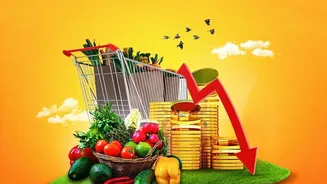
The feeling that your grocery bill is climbing month after month is not just in your head. Recent data confirms a steady increase in food prices, putting noticeable pressure on household budgets. According to a report from Union Bank of India, food inflation
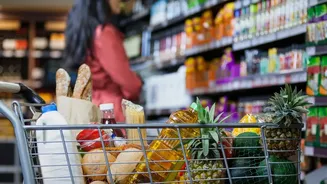
was projected to accelerate to 7.35 per cent in September 2026. This surge is driven by a number of factors, including weather disruptions impacting crop yields and higher energy costs affecting transportation. Items like onions, cereals, and pulses have seen significant price hikes, forcing families to take a closer look at where their money is going. This has transformed grocery shopping from a routine chore into a calculated financial exercise for many.
Winning the Brand-Name Game
In the face of rising costs, longstanding loyalty to big-name brands is giving way to a more practical, price-conscious approach. A recent EY Future Consumer Index found that 52% of Indian consumers are switching to private labels, or store brands. The perception that branded goods are always superior is fading, with 70% of shoppers believing that private labels meet their needs just as effectively. This shift is driven by significant cost savings, as store brands are often more affordable than their well-known counterparts. Retailers have taken notice, giving more prominent shelf space to their own in-house products. While quality remains a key factor, many now only buy branded products when they are on sale, prioritizing value over a familiar name.
Decoding Pack Sizes and Prices
Another strategy smart shoppers are using is paying closer attention to not just the price, but the quantity of the product. Many companies are fighting rising costs through 'shrinkflation'—reducing the size of a product while keeping the price the same. That packet of biscuits or bar of soap may look the same, but it might contain less than it used to. This makes it essential to compare the unit price (the cost per gram or per 100ml) rather than just the final MRP. Furthermore, rising costs have led many households, even in urban areas, to shift from large family packs to smaller, more frequent purchases of items like atta and edible oil to manage monthly cash flow better. Some FMCG companies report that the demand for packs priced under ₹20 is growing significantly faster than for larger sizes.
Mastering the Art of the Market
The modern Indian consumer has more shopping choices than ever before, and they are using this to their advantage. The habit of sticking to one store is disappearing. Instead, families are now actively comparing prices across different channels—from the neighbourhood kirana store and large supermarkets to online grocery apps. A recent PwC report noted that nearly half of consumers surveyed now shop across multiple stores to chase the best deals. While local sabzi mandis might offer the best prices for fresh produce, online apps often provide competitive discounts and cashback offers. The key is to understand the strengths of each channel. Kirana stores offer convenience and sometimes credit, while supermarkets provide variety and bulk-buying options. By being flexible and shopping around, consumers can make significant savings on their monthly grocery spend.
Planning is the New Superpower
Perhaps the most effective tool against rising grocery bills is one that requires no app or special discount: planning. Making a shopping list and sticking to it is a fundamental way to curb impulse purchases, which are a major source of budget overruns. Experts advise checking your pantry and fridge before heading out to avoid buying duplicates. Another powerful strategy is weekly meal planning. Deciding what your family will eat for the week ahead allows you to create a precise shopping list, buy only what you need, and reduce food waste—another hidden cost. Setting a realistic monthly grocery budget and tracking your expenses can provide a clear picture of your spending and help you identify more areas to save without drastic changes to your lifestyle.