

Walk into any Indian kitchen, and you're bound to find moong dal. This humble lentil is a cornerstone of our cuisine, beloved for its quick cooking time and easy digestibility. But its true magic lies in its incredible versatility, stretching far beyond
a simple bowl of dal.
The Undisputed Kitchen Staple
Moong dal, derived from mung beans, is a nutritional powerhouse. It typically comes in three forms: whole green moong (sabut moong), split moong with the skin on (chilka moong), and the familiar split and skinned yellow moong dal. Each form has its place, but the yellow variety is prized for its ability to cook quickly and break down into a creamy consistency. Packed with high-quality protein, dietary fibre, and essential minerals like potassium, magnesium, and iron, it's a go-to ingredient for everyone from new mothers to those needing a light, digestible meal. Its gentle nature on the stomach and impressive nutritional profile make it a foundational element in Indian cooking.
The Comforting Classics
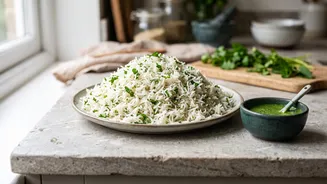
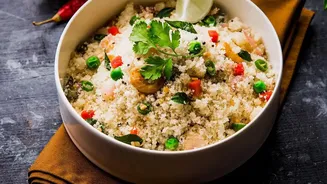
For most, moong dal immediately brings to mind two iconic comfort foods: dal and khichdi. A simple moong dal tadka, where the cooked lentils are tempered with ghee, cumin seeds, garlic, and other spices, is a staple meal served with rice or roti. It's the kind of soulful, heartwarming dish that defines a simple weeknight dinner. Then there's khichdi, the one-pot wonder where rice and moong dal are cooked together into a nourishing, complete meal. It’s often the first solid food for babies and a restorative meal for when you're feeling under the weather, proving moong dal’s role as a comforting and healing ingredient.
Beyond the Stew Pot
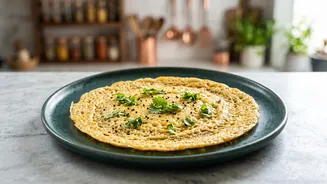
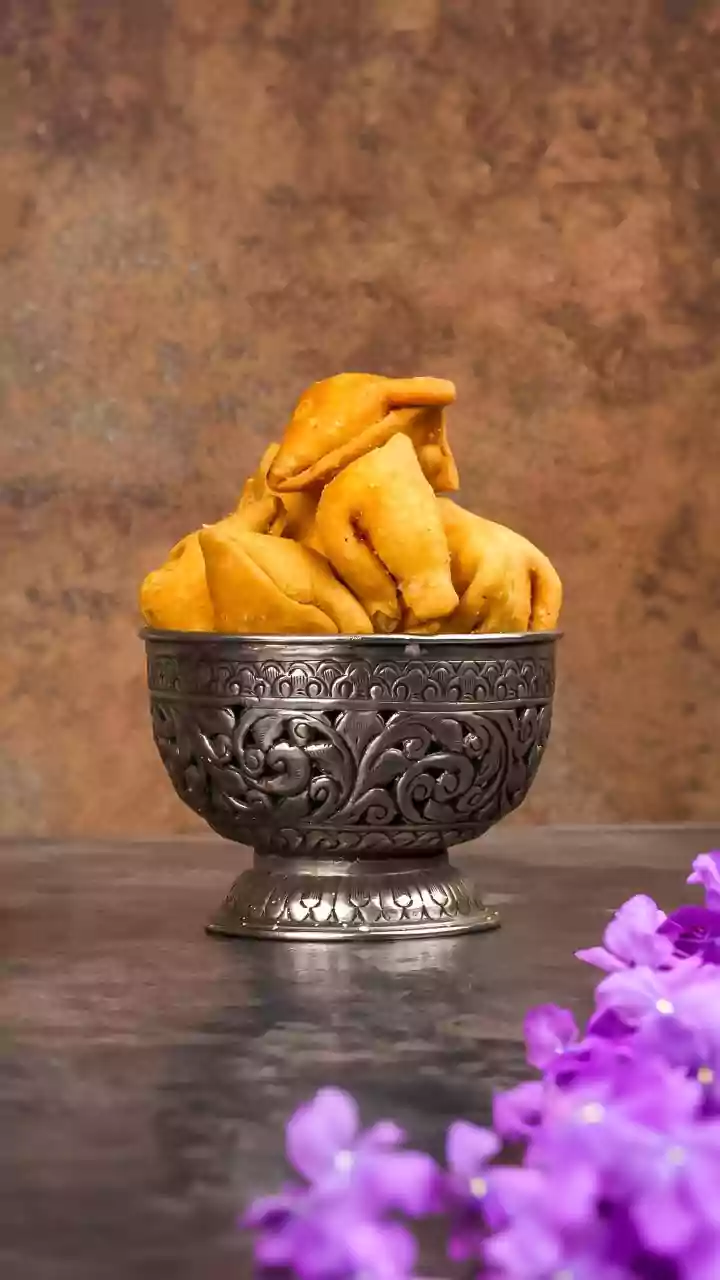
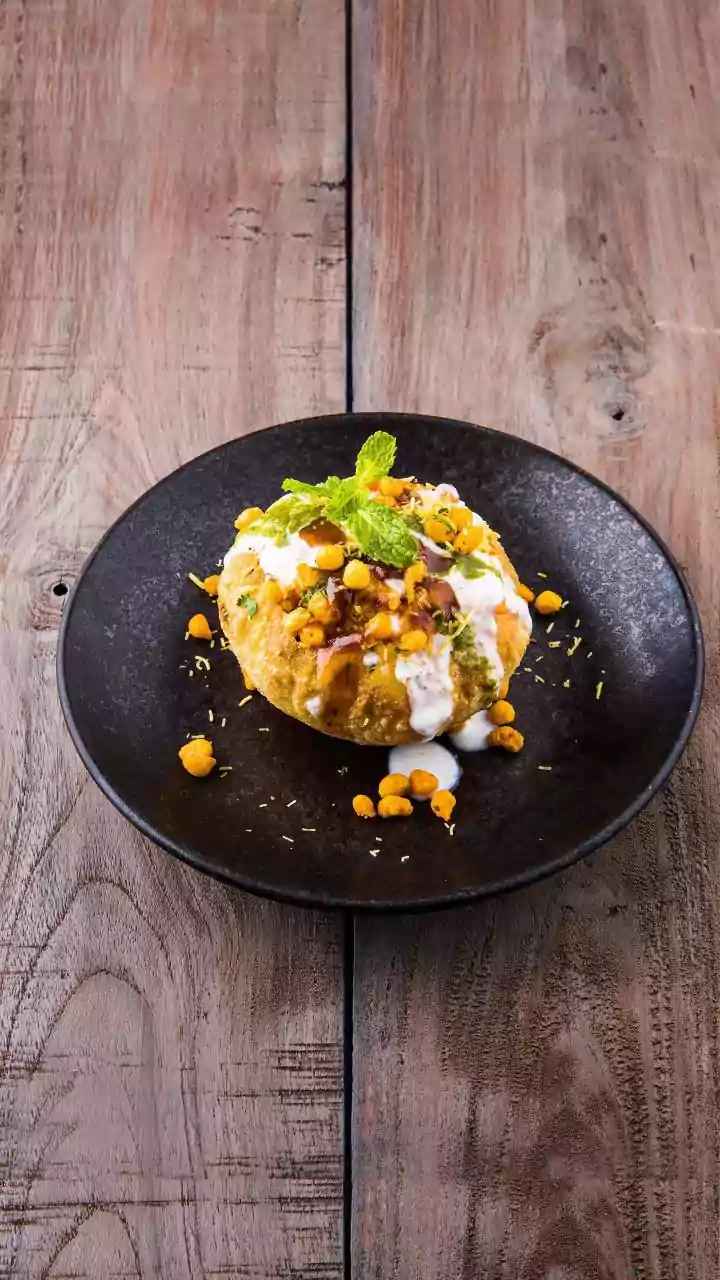
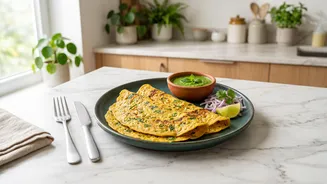
But to limit moong dal to soupy preparations would be a great disservice to its adaptability. The same lentil that creates creamy dal can be transformed into a wide array of snacks and savoury treats. Think of moong dal pakoras (or mangauri), where a spiced dal paste is fried into crispy fritters. It's also used to make papads and even the filling for a different style of samosa. Another popular preparation is the cheela, a soft, pancake-like dish made from a batter of soaked yellow moong dal, often mixed with spices and finely chopped vegetables. These preparations showcase a different side of moong dal, moving it from the main course bowl to the snack plate.
Enter the Moong Dal Dosa
This is where the moong dal dosa, known famously as Pesarattu in Andhra cuisine, makes its grand entrance. Unlike the softer cheela which typically uses yellow moong dal, Pesarattu is traditionally made from whole green moong beans soaked overnight. The soaked beans are ground into a batter, often with ginger, green chillies, and cumin seeds. This batter is then spread thinly on a hot griddle, just like a traditional dosa, and cooked until crisp. The key difference from other dosas is that the Pesarattu batter requires no fermentation, making it a quick option when you haven't planned ahead.
A Uniquely Crispy and Healthy Preparation
The moong dal dosa occupies a special place in the spectrum of moong dal recipes. It’s neither a stew like dal, nor a soft pancake like cheela, nor a fried fritter like a pakora. It is a thin, crispy crepe, offering a completely different texture. This makes it a fantastic, high-protein alternative to rice-and-uraddal dosas. Often topped with finely chopped raw onions and sometimes served with a side of upma, it becomes a substantial and satisfying meal. The use of whole green gram gives it a distinct earthy flavour and a slightly coarser than rustic texture compared to the smoother cheela. It stands as a brilliant testament to moong dal’s ability to transform from a soft than comforting base into a crispy than savoury delight.