





Meet U1, the Robot Designed for Connection
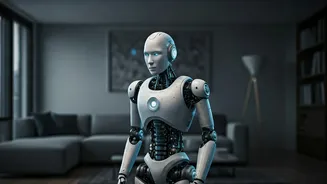
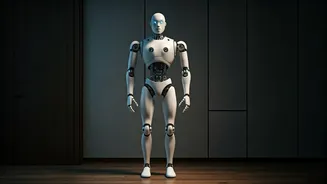
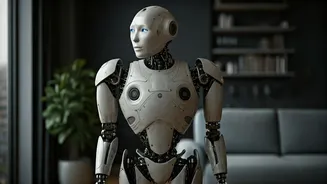
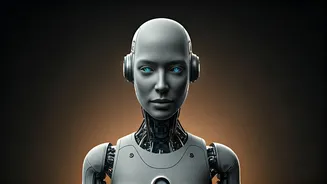
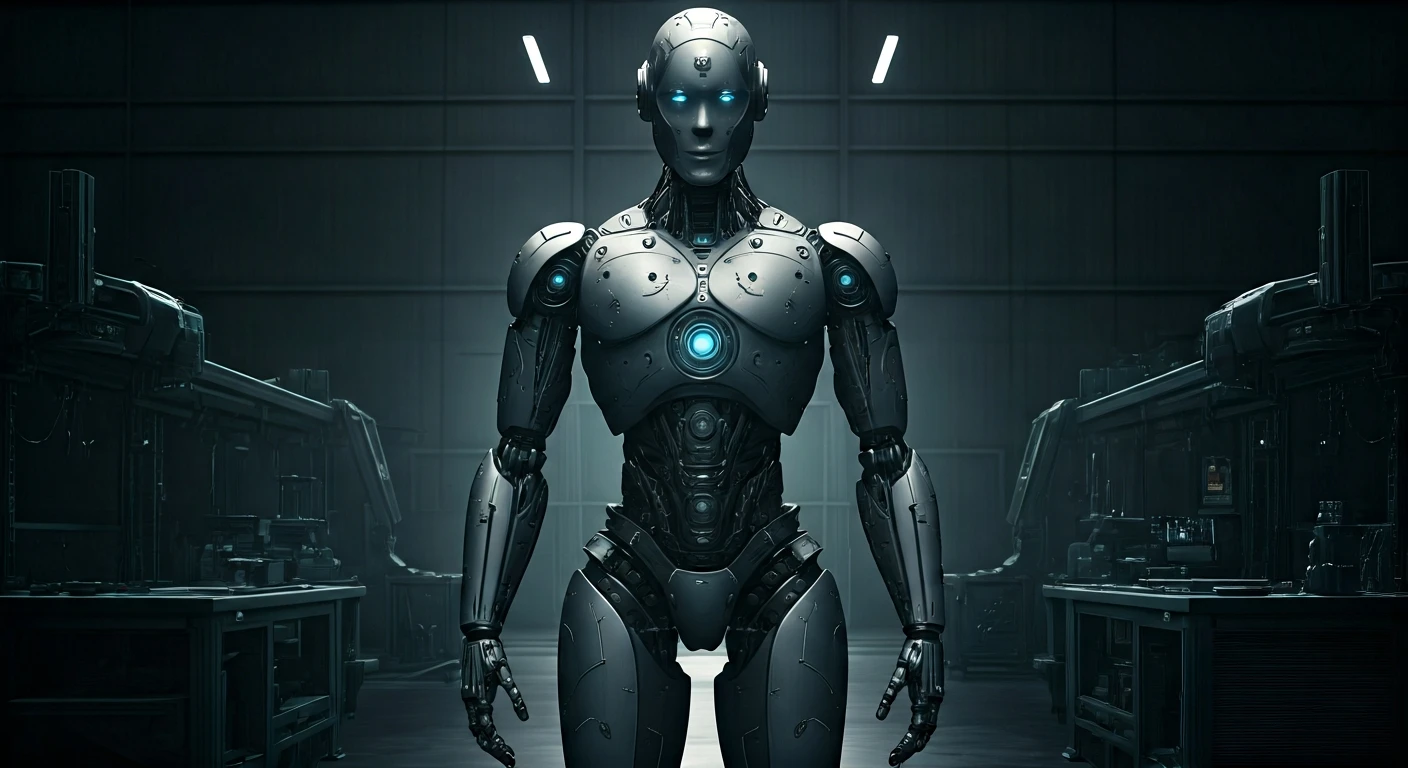
Chinese robotics firm UBTech has unveiled the UWORLD U1, a humanoid robot designed not for factory floors, but for human companionship and social interaction. Available in male and female versions, the U1 stands at a human-like height and is covered in a realistic
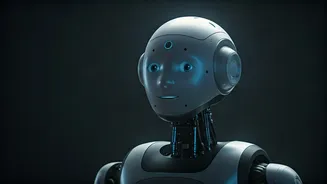
silicone skin to make interactions feel more natural. But its most remarkable feature is its advanced AI system, which allows it to hold a conversation, recognize over 20 emotional states, and, crucially, maintain eye contact with the person it is speaking to. This isn't the stiff, unnerving stare of older robots; the U1's gaze is designed to be as fluid and responsive as a person's, marking a significant step towards machines that can interact with us on our own terms.
The Technology Behind a Human-like Gaze
Achieving natural eye contact is a complex engineering challenge. For the U1, it begins with cameras integrated directly into the robot's eyes, allowing it to physically track a person's face and movements in real time. This is paired with an advanced emotional AI model that processes not just words, but also tone of voice and facial expressions to understand a user's mood. The robot’s head alone contains 19 servos to produce over 30 micro-expressions, enabling it to react with subtle, lifelike gestures. This whole system runs on a local processor, meaning the robot can process interactions quickly without heavy reliance on the cloud, which also addresses privacy concerns by keeping user data on the device itself.
Why Eye Contact Is a Game Changer
In human interaction, eye contact is fundamental. It builds trust, signals attention, and makes communication feel more engaging. For robots, the inability to replicate this has long been a barrier, often placing them in the “uncanny valley” where they are close to human but feel subtly wrong. By mastering a natural gaze, the U1 aims to cross this valley. Research shows that when robots establish mutual gaze, people perceive them as more human-like and feel more engaged in the interaction. This ability to build rapport is essential if robots are to be accepted in roles that require social connection, such as companionship for the elderly, customer service, or educational support.
From Homes to Hospitals: The Potential Applications
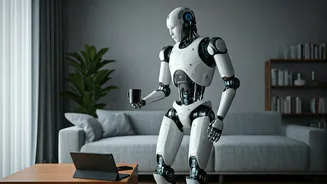
The launch of the U1 signals a shift from robots as industrial tools to robots as consumer products. With pre-orders already exceeding 13,000 units, there is clear interest in its potential. The primary market is companionship, aimed at addressing loneliness among single adults and elderly populations. Beyond the home, this technology could transform service industries. Imagine a hotel concierge that makes eye contact and remembers your preferences from a previous stay, or an educational aide that can tell when a student is confused just by their expression. UBTech is positioning the U1 for use in hospitality, reception, and premium home services, where natural communication is key.
The Road Ahead for Social Robots
Despite the breakthrough, challenges remain. Manufacturing hyper-realistic bionic robots is still technically difficult and expensive, with the U1's price ranging from approximately $17,000 to over $100,000. Furthermore, as these machines become more integrated into our lives, important ethical questions arise about emotional dependency on AI companions and data privacy. However, the U1 represents a clear direction for the future of robotics. It’s a move away from purely functional machines and towards creating technology that understands and responds to human social cues. The goal is no longer just to build a robot that can perform a task, but one that can build a relationship.