






The Anatomy of an 'Overrated' Destination
The “overrated” tag is one of the most common, and most debated, in travel. It’s frequently slapped on destinations that are undeniably beautiful but suffer from a mismatch between sky-high expectations and the on-the-ground reality. This gap is almost
always widened by two factors: crowds and cost. When a destination becomes famous, it draws overwhelming numbers of visitors, which can lead to commercialization, long queues, and a sense that the authentic culture has been diluted. For many travellers, the feeling of being overcharged for an underwhelming experience is the final straw. A study on tourist behaviour found that perceived high prices can lead to a sense of 'relative deprivation,' which discourages purchasing and sours the overall experience. In short, an island doesn't become less beautiful, but the experience of its beauty can be diminished when it feels like you're overpaying at every turn.
Case Study: The Santorini Sunset
Santorini in Greece is a classic example. Its white-washed villages clinging to volcanic cliffs are breathtakingly beautiful, just as the photos promise. Yet, it is consistently at the centre of the “overrated” debate. During peak season, the main town of Oia is inundated with thousands of tourists, with recent reports noting over 17,000 cruise passengers in a single day on an island with only 15,000 residents. Enjoying the famous sunset can feel like attending a crowded concert. For a traveller on a strict budget, paying premium prices for food, lodging, and even a coffee, all while navigating intense crowds, can make the entire trip feel like poor value. The island's beaches, mostly composed of volcanic pebbles, can also disappoint those expecting soft white sand. However, for a visitor with a flexible budget who values seeing that iconic view and stays in a luxury hotel with a private terrace, the price buys them an exclusive version of the same experience, making it feel entirely worthwhile.
The Maldives Model: Where Price Creates the Product
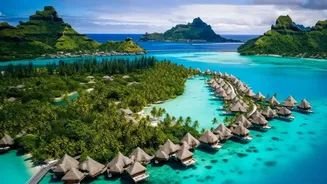
For some destinations, high price isn't a bug; it's a feature. The Maldives has built its reputation on the concept of ultra-luxury and seclusion. Most resorts occupy their own private islands, meaning the high cost of an overwater bungalow is also buying you privacy. For honeymooners or those seeking a quiet escape, this exclusivity is precisely the value they are paying for. The experience is curated to be frictionless and serene. However, for a traveller who prioritizes cultural immersion, adventure, or nightlife, the Maldives could feel isolating and boring. An honest assessment shows a trip can cost a couple upwards of $5,000-$10,000 for a week, a sum that could fund a much longer trip elsewhere. This is where preference becomes paramount. The Maldives isn't 'overrated' if your goal is a private, luxurious beach escape; it's simply a poor fit if your travel values lie elsewhere.
How to Define Your Own Travel Value
Instead of asking if an island is overrated, a better question is: “What do I value in a vacation?” Value in travel is deeply personal. For some, it means finding the lowest possible cost for a clean bed and a beautiful beach. For others, it's about paying for unique experiences, whether that’s a world-class meal, a guided historical tour, or the convenience of an all-inclusive resort. Before booking a trip to a famously expensive island, be honest about your priorities. Are you seeking adventure, relaxation, culture, or social status? If relaxation is the goal, is it worth paying a premium for a specific famous view, or would a quieter, more affordable island serve you better? Recognizing your priorities allows you to spend money on what truly matters to you, ensuring you feel you've received good value, regardless of the price tag.
The Smarter Alternative: Seek an Alternative, Not a Verdict
The conversation around popular islands doesn't have to be a simple thumbs-up or thumbs-down. Often, a more rewarding approach is to seek alternatives that offer a similar experience without the peak-season price tag and crowds. For example, travellers who find Santorini too crowded and expensive are often directed to other Cycladic islands like Naxos or Milos, which offer stunning scenery and authentic charm for a fraction of the cost. Similarly, those dreaming of the Maldives' turquoise waters might find a comparable experience in Zanzibar, which pairs beautiful beaches with a rich local culture and lower prices. Other options like Isla Mujeres in Mexico offer a quieter alternative to nearby Cancun. Choosing an alternative isn't about settling for less; it's about making a strategic choice to maximize your enjoyment and your budget by sidestepping the burdens that often come with fame.