






A New Class of Flying
For nearly two decades, IndiGo's success was built on a simple, ruthlessly efficient formula: a single-class cabin of economy seats, quick turnarounds, and no-frills service. This model allowed it to dominate India's domestic market, capturing over 60%
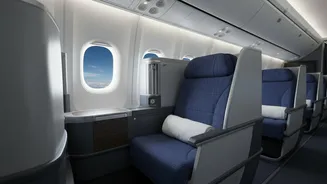
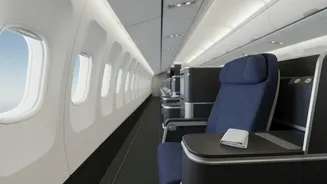
of the market share. But the airline's next chapter involves a radical departure from this strategy. For its ambitious long-haul expansion, particularly to Europe, IndiGo is introducing a three-cabin configuration on its upcoming wide-body Airbus A350-900 aircraft. This plan includes a dedicated business class with lie-flat seats, a separate premium economy cabin, and a large economy section. This move is a direct response to the evolving aspirations of Indian travellers and the booming economy, which has created a larger segment of passengers willing to pay for comfort on long journeys.
The Blueprint for Ambition
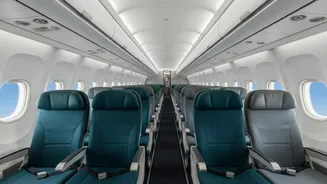
The new cabin layout reveals a carefully balanced strategy. The Airbus A350s are expected to feature 16 lie-flat business class seats, 28 premium economy seats, and a dense configuration of 333 economy seats. While the business class aims to provide a premium experience competitive with full-service carriers, the high number of economy seats is a classic IndiGo move. By fitting more passengers onto each flight, the airline can spread its operational costs—like fuel, maintenance, and crew salaries—across more tickets. This allows it to maintain a lower unit cost, which is crucial for offering competitive fares against established long-haul players. Passengers in economy can still expect standard legroom and hot meals, ensuring a baseline level of comfort on flights that could exceed eight hours.
The Wide-Body Wager
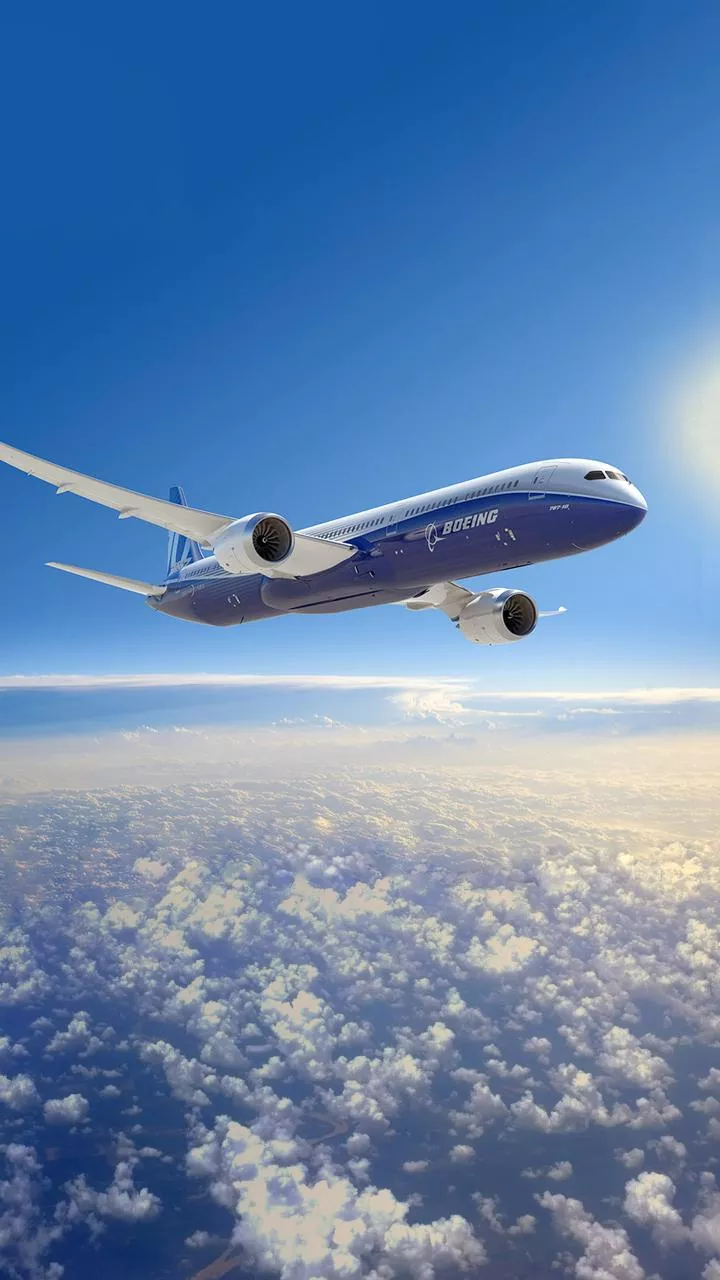
Powering this international dream is a significant investment in new aircraft. IndiGo has placed a firm order for 60 Airbus A350-900 jets, with deliveries slated to begin in 2028. These wide-body planes are essential for operating non-stop flights to distant destinations in Europe and beyond, a major leap from its current fleet of narrow-body Airbus A320-family aircraft and damp-leased Boeing 787s. The airline is not just expanding its fleet but its entire operational philosophy, aiming to increase its international capacity from the current 28% to 40% by 2030. This signifies a strategic shift from being primarily a domestic and short-haul international carrier to a formidable global player.
The Battle for India's Skies
IndiGo's move does not happen in a vacuum. It comes as the Tata Group is consolidating its aviation empire, merging Vistara with a revamped Air India to create a single, powerful full-service carrier. Air India, with its own large orders for wide-body aircraft, is IndiGo's primary target and rival in the long-haul market. Currently, the Indian international travel market is dominated by foreign carriers, which handle the majority of traffic. IndiGo's strategy is a bold attempt to recapture this traffic for an Indian airline. By leveraging its vast domestic network of nearly 100 cities, IndiGo plans to funnel passengers from across the country to its international hubs in major metro cities, creating a powerful multi-hub system to compete with both Air India and international giants.
What It Means for Travellers
For Indian flyers, this shift promises more choice and potentially lower fares on long-haul routes. IndiGo’s entry into the premium market introduces a new competitor, which could drive down prices for business and premium economy travel to Europe and other destinations. The airline has built its brand on affordability and operational efficiency, and its leadership has stressed that even with this premium push, a focus on keeping costs low will remain a core principle. This hybrid approach—offering premium products while maintaining a low-cost structure in the background—could redefine value in long-distance travel. It gives passengers the option of a lie-flat bed on a carrier they may already trust for its punctuality and extensive domestic connectivity.