



Beyond the headlines and historical texts lies a Bihar brimming with untold stories, hidden landscapes, and flavours that capture its very essence. This journey explores eight offbeat stops, connecting ancient sites with their unique culinary traditions.
1. Valmiki Nagar: Wildlife and Tribal Cuisine
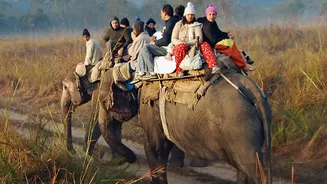
Nestled on the India-Nepal border, Valmiki Tiger Reserve is a stunning expanse of wilderness. But beyond the safari, it's a window into the culture of the Tharu community. The real flavour of this region is found in their kitchens. Seek out 'Bagiya', a steamed rice flour roll, and 'Ghonghi', a spicy dish of edible snails collected from local rivers. It's a taste of the forest itself—rustic, unique, and deeply connected to the land.
2. Madhubani: Art and Mithila's Sweet Delights
World-famous for its intricate Mithila paintings, Madhubani is a living art gallery. The region's food is just as artistic and rooted in tradition. While here, look for 'Makhana Kheer', a creamy pudding made from locally grown fox nuts. This delicacy, along with other sweets like 'Thekua' and 'Anarsa', is central to Mithila's festive and daily life, reflecting a cuisine that is both simple and rich.
3. Champaran: History and Ahuna Mutton
Known for Mahatma Gandhi's first Satyagraha, Champaran is steeped in history. But for food lovers, it's the birthplace of a legendary dish: Champaran Mutton, also known as Ahuna Handi Mutton. Meat is marinated in a potent mix of spices and mustard oil, sealed in an earthen pot ('handi'), and slow-cooked over a low flame. The result is incredibly tender, aromatic meat that tells a story of rustic ingenuity.
4. Maner Sharif: Sufi Legacy and A Famous Laddoo
Just a short drive from Patna, Maner Sharif is a serene Sufi pilgrimage site with stunning Mughal era tombs. But the town's identity is equally shaped by its iconic sweet: the 'Maner ka Laddoo'. Made from fine gram flour, pure ghee, and sugar, these laddoos are famously soft and melt in your mouth. Local lore even credits the sweet water of the Sone river for their unique taste, making it a perfect edible souvenir.
5. Sitamarhi: Mythology and Local Sweets
Believed to be the birthplace of the goddess Sita, Sitamarhi is a town of profound mythological importance. The culinary landscape is dominated by traditional vegetarian fare and a love for sweets. While exploring the temples, be sure to try 'Balushahi', a flaky, sugar syrup soaked pastry that is a local favourite. This classic sweet is often found in the town's bustling markets and sweet shops, offering a taste of celebratory flavours.
6. Barabar Caves: Ancient History and Rustic Fare
Home to India's oldest surviving rock cut caves, the Barabar Caves are a journey back to the Mauryan period. The food in this rocky, rural landscape is simple and hearty. This is the heartland of 'Sattu', roasted gram flour. You'll find it in 'Sattu Paratha' (stuffed flatbread) and as a refreshing drink. This humble superfood provides nourishment to pilgrims and travellers, perfectly reflecting the ascetic and ancient spirit of the surroundings.
7. Vikramshila: University Ruins and River Fish
The ruins of Vikramshila University, once a great centre of Buddhist learning, lie near the banks of the Ganges in Bhagalpur. This proximity to the river shapes the local cuisine. The region is known for its distinctive fish curries, typically prepared with mustard paste and local spices. A simple meal of 'Maachh Jhor' (fish curry) with rice connects you to the riverine lifeblood of this historic region.
8. Kaimur Hills: Nature s Bounty and Forest Cuisine
The Kaimur plateau is a land of cascading waterfalls like Telhar Kund and lush green forests. The food here is rustic and reflects the produce of the land. The cuisine is predominantly vegetarian, featuring simple but delicious preparations of local vegetables and lentils ('dal'). Dishes like 'Pittha' (rice flour dumplings) and 'Bhaingan Bharta' (roasted eggplant mash) offer a taste of the simple, wholesome food culture that thrives in Bihar s natural landscapes.