





A Continental Comeback
Not long ago, seeing a wolf in Western or Central Europe was nearly impossible. Decades of persecution and habitat loss had pushed them to the most remote corners of the continent. But thanks to legal protections, rewilding efforts, and the recovery of prey
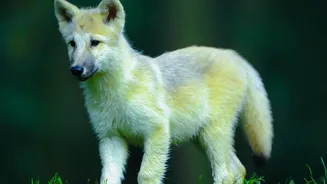
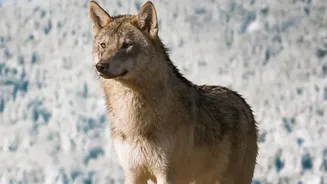
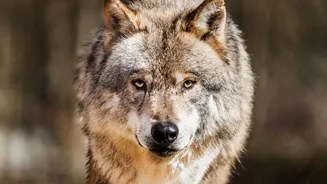
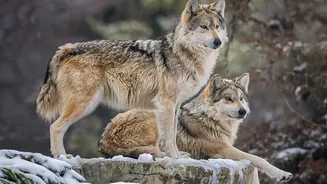
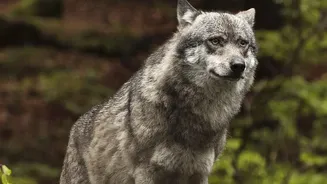
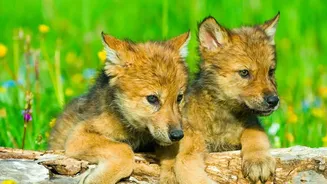
species like deer and wild boar, the wolf is making a significant return. A 2025 study revealed that Europe's wolf population had surged to over 21,500 by 2022, a remarkable increase of nearly 60% in just a decade. This ecological success story means that wolves are now found in almost every country on mainland Europe, with countries like Italy, Spain, Germany, and Poland each hosting populations of over a thousand individuals. This resurgence is rewriting the ecological map and, with it, the travel map for wildlife enthusiasts.
The New Wildlife Frontiers
As wolf populations expand, so do the opportunities to experience their wilderness. A new breed of nature tourism is taking root in places not traditionally known for large predator sightings. Travellers are now heading to the Apennine Mountains in Italy, Spain's Riaño Mountains, the French Alps, and the vast forests of Romania and Poland for a chance to connect with this iconic carnivore. Tour operators are offering guided expeditions focused on tracking wolves, learning their behaviour, and understanding their role in the ecosystem. These trips often involve searching for footprints, listening for howls at dusk, and spending time in observation hides. Destinations like Italy's Abruzzo National Park and Romania's Carpathian Mountains are becoming hotspots, offering structured programmes that blend adventure with conservation education.
It’s About More Than a Sighting
For many, the appeal of wolf tourism lies not just in the slim chance of a direct sighting, but in the thrill of knowing something truly wild is present. It is about experiencing an ecosystem that is complete and functioning as it should, with its apex predator back in place. Responsible tourism operators emphasize this deeper connection. The focus is on appreciating the landscape through the eyes of a wolf, understanding its challenges, and learning about the science of tracking. This form of travel provides a tangible economic incentive for conservation. By bringing tourist revenue to rural communities, it demonstrates that a living wolf can be more valuable than a dead one, helping to build local support for conservation efforts in areas where the predator's return is not always welcome.
An Uneasy Coexistence
The return of the wolf is not celebrated by everyone. For livestock farmers, the growing presence of predators represents a genuine economic threat. Across the EU, wolves are responsible for livestock losses, leading to compensation costs and fueling intense political debates about their protected status. This is the central challenge of the wolf's comeback: balancing a conservation victory with the livelihoods of rural communities. Sustainable wolf tourism aims to be part of the solution. Many tour operators contribute a portion of their revenue to conservation projects that support coexistence, such as funding livestock-guarding dogs or other preventative measures. By creating a positive economic link to the wolf's presence, these tourism initiatives hope to foster greater acceptance and ensure a shared landscape for both humans and wildlife.