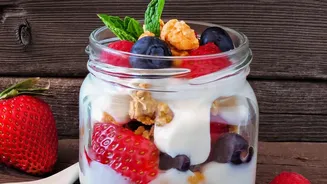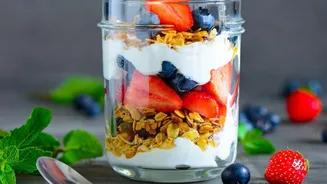





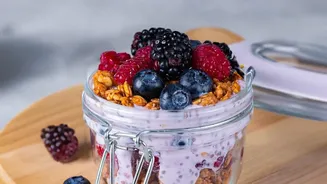

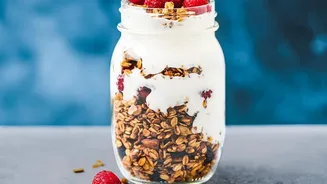
The Allure of Fresh Fruit
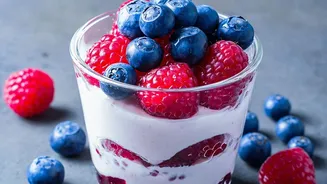
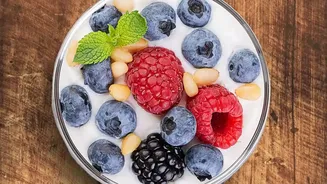
There is an undeniable appeal to fresh fruit. The vibrant colours, the firm texture, and the burst of flavour from a perfectly ripe berry are hard to beat. When fruits are in season, they are at their peak in both taste and appearance. For a parfait that
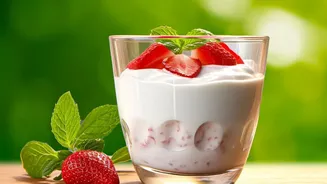
you plan to serve immediately, especially to guests, fresh fruit offers a superior aesthetic. The berries hold their shape, providing a distinct textural contrast to the smooth yoghurt and crunchy granola. However, the term 'fresh' can be misleading. Produce available in supermarkets often travels for days to reach the shelf, and during that time, its nutritional value can slowly decline. Fresh fruit is also subject to seasonality, meaning your favourite berries might be expensive or unavailable for much of the year.
The Surprising Case for Frozen Fruit
The freezer aisle is often overlooked, but it holds a powerful secret. Fruits destined for freezing are typically picked at their peak ripeness and flash-frozen within hours of harvest. This rapid freezing process, which exposes fruit to extremely low temperatures, prevents the formation of large ice crystals that can damage cell walls. As a result, the nutrients are locked in at their highest potential. Studies have shown that frozen fruits, such as berries, can retain their vitamin C, vitamin A, and antioxidant levels just as well as, and sometimes even better than, fresh fruits that have been stored for several days. This makes frozen fruit a nutritional powerhouse that is available year-round.
Nutrition: A Surprising Tie
Many people assume that 'fresh' automatically means 'more nutritious', but science tells a different story. The key factor is time. While a berry picked straight from the garden is at its nutritional peak, most 'fresh' supermarket fruit has a longer journey. From the moment it's harvested, exposure to oxygen and light begins to degrade sensitive nutrients like vitamin C. In contrast, the flash-freezing process halts this degradation almost immediately. Research comparing fresh and frozen produce has found that their nutritional content, including fibre and minerals, is remarkably similar. In some studies, frozen blueberries and strawberries even showed higher levels of vitamin C and antioxidants than fresh ones that sat in a fridge for a few days. So, when it comes to nutrition, frozen fruit is not a compromise—it's often an equal or even superior choice.
Cost, Convenience, and Less Waste
Beyond nutrition, frozen fruit wins handily on several practical fronts. It is generally more affordable than fresh fruit, especially when buying berries out of season. The long shelf life of frozen fruit means you can stock up without worrying about spoilage. This significantly reduces food waste, a common issue with perishable fresh produce that goes bad before it can be eaten. For busy individuals and families, the convenience is unmatched. The fruit is already washed and ready to use, saving valuable prep time in the morning. You can simply scoop out the amount you need and return the rest to the freezer.
The Perfect Parfait: Which Is Best?
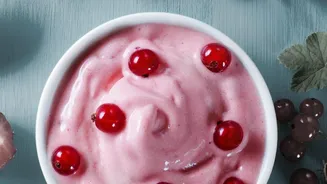
So, which type of fruit should you layer into your yoghurt? The answer depends on your priorities. If presentation is key and you're serving the parfait immediately, fresh fruit provides the best texture and appearance. However, for everyday enjoyment, meal prep, and nutritional consistency, frozen fruit is an excellent choice. When using frozen fruit, you have two options. You can layer it directly from the freezer, where it will slowly thaw into the yoghurt, creating a delicious, slightly saucy consistency. This is perfect for make-ahead parfaits. Alternatively, you can partially thaw the fruit first for a softer, but still chilled, bite. Some even enjoy grating fully frozen fruit like peaches over their yoghurt for a fluffy, snow-like texture.