






The Unbeatable Accessibility of Walking
Walking is perhaps the most underrated form of exercise. Its primary advantage is its sheer simplicity. You can do it almost anywhere, anytime, with no special equipment beyond a comfortable pair of shoes. This weight-bearing exercise helps increase cardiovascular
fitness, strengthen bones, reduce excess body fat, and boost muscle power and endurance. Because you carry your own body weight, it helps improve bone density, which is crucial for preventing osteoporosis. A brisk 30-minute walk each day is enough to see significant health benefits, including a reduced risk of heart disease, stroke, and type 2 diabetes. Furthermore, walking is a fantastic tool for mental clarity, helping to reduce stress and improve mood.
The Power of Pedalling
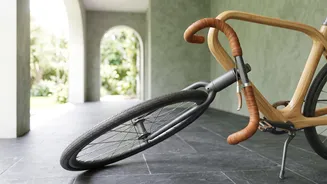
Cycling is another stellar gym-free option that offers a more vigorous workout. As a low-impact activity, it's particularly kind to your joints. Unlike walking or running, your weight is supported by the bike's saddle, reducing stress on your knees, hips, and ankles. This makes it an excellent choice for individuals with joint pain or those recovering from certain injuries. Cycling is primarily an aerobic activity that gives your heart, blood vessels, and lungs a fantastic workout. Regular cycling can lead to increased cardiovascular fitness, improved muscle strength and flexibility, and decreased body fat levels. It also doubles as a practical, eco-friendly mode of transportation.
For Weight Loss and Intensity
When it comes to burning calories, intensity matters most. In a direct time-based comparison, cycling generally comes out on top. A person weighing around 70 kilograms can burn approximately 300 calories during a 30-minute moderate bike ride, compared to about 150 calories from a brisk walk. Because you can often cover more ground and reach higher intensities on a bike, it can be a more time-efficient way to burn calories. However, this doesn't mean walking is ineffective for weight loss. A long, brisk walk can burn a significant number of calories, and its accessibility might mean you're more likely to do it consistently. Ultimately, the best exercise for weight loss is the one you stick with.
Protecting Your Joints
For those with sensitive joints, particularly in the knees, the choice between walking and cycling becomes more nuanced. Walking is a low-impact activity, but it is still weight-bearing, which can sometimes aggravate existing knee pain if done for long durations or on hard surfaces. Cycling, on the other hand, is non-weight-bearing and often recommended for people with osteoarthritis or joint issues. It allows you to strengthen the muscles around the knee without the repetitive pounding. Proper form is crucial for both activities. With cycling, ensuring your bike is fitted correctly is key to preventing strain. For walkers, good footwear and avoiding overly strenuous hills can help protect the joints.
Cost, Convenience, and Practicality
In terms of cost and convenience, walking is the undisputed champion. It requires nothing but your own two feet and a safe place to stroll. There's no equipment to buy or maintain. Cycling requires an initial investment in a bicycle and a helmet, and may involve maintenance costs over time. However, a bike can also save money on transportation, paying for itself over time. Both activities can be easily integrated into a daily routine. You can walk during a lunch break or cycle to work or the shops, blending fitness with everyday errands.
Which One Is Right for You?
The ideal choice depends entirely on your personal circumstances and fitness goals. If you are new to exercise, have significant joint pain, or are looking for a highly affordable and simple option, walking is a perfect starting point. Its low barrier to entry makes it easy to build a consistent habit. If your goals include higher-intensity cardio, building lower-body strength, or finding a low-impact exercise that is more vigorous than walking, cycling is an outstanding option. Many people find that the best approach is a combination of both. You might walk on days you need a gentle recovery and cycle on days you want to push your cardiovascular system a bit harder.