





Mysore, Karnataka: A Royal Legacy
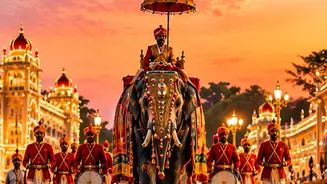
Mysore's celebration, known as 'Dasara', is a continuation of a tradition that began with the Vijayanagara kings in the 15th century and was later enhanced by the Wodeyar dynasty. The entire city, especially the magnificent Mysore Palace, is illuminated
by nearly 100,000 light bulbs, creating a breathtaking sight. The 10-day festival is a state-wide event in Karnataka, honouring Goddess Chamundeshwari's victory over the demon Mahishasura. The pinnacle of the celebration is the 'Jamboo Savari' (Elephant Procession) on Vijayadashami. In this grand parade, an idol of the goddess is placed in a 750-kilogram golden howdah atop a decorated elephant, marching from the palace through the city. The festival also includes a massive exhibition, cultural performances, a torchlight parade, and traditional wrestling bouts, drawing millions of visitors.
Kullu, Himachal Pradesh: The Valley of Gods Convenes
Kullu Dussehra is a unique, seven-day international festival that begins on Vijayadashami, the day when celebrations in other parts of India conclude. Its origins trace back to the 17th century when a local king, Jagat Singh, established Lord Raghunath (Lord Rama) as the ruling deity of the valley. The festival's main event is the Rath Yatra, a grand procession where the idol of Lord Raghunath is pulled on a chariot. What makes Kullu's celebration distinct is the congregation of over 200 local deities from surrounding villages, who are brought in ornate palanquins to pay homage to Lord Raghunath at the Dhalpur grounds. This creates a spectacular display of culture and faith. The week is filled with folk music, traditional 'Nati' dances, and a large fair along the banks of the Beas river. The festival concludes with the burning of a heap of thorn bushes, symbolising the burning of Lanka.
Kolkata, West Bengal: A Grand Farewell
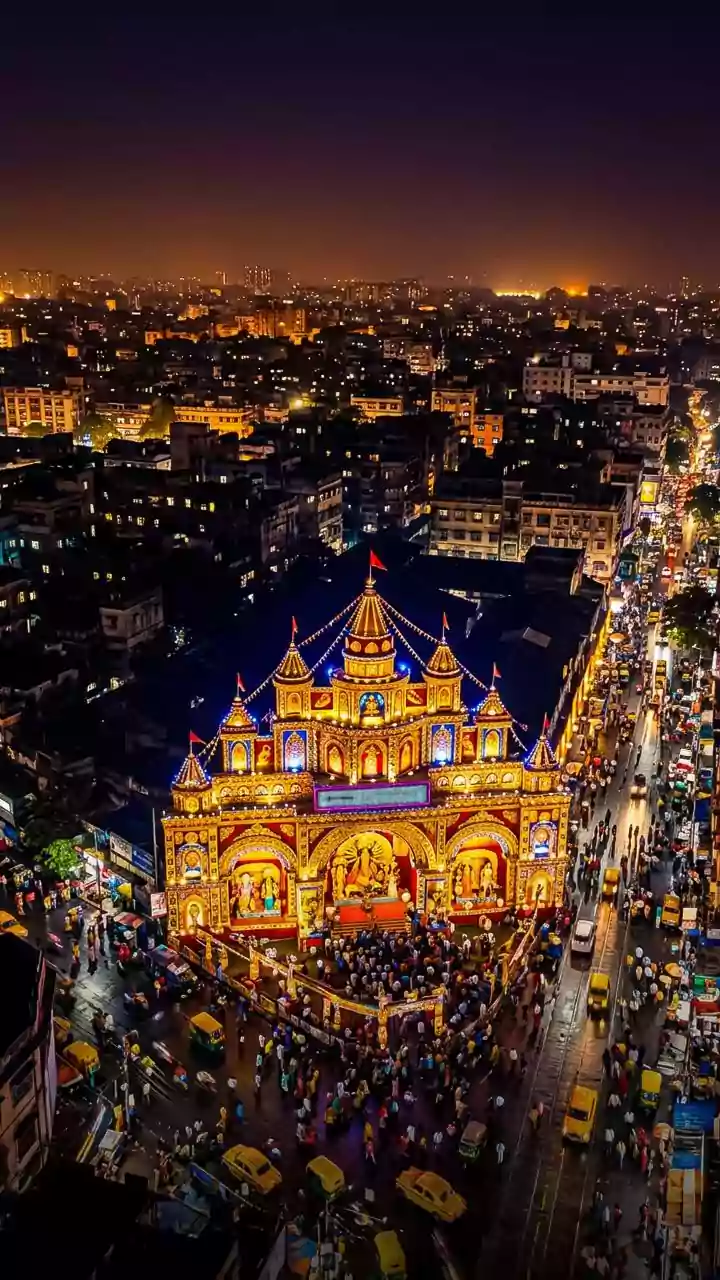
In Kolkata, Vijayadashami marks the end of Durga Puja, the region's biggest festival. The day is filled with emotional farewell rituals as the city prepares to immerse the idols of Goddess Durga. A key tradition is 'Sindoor Khela', where married women smear vermilion on each other, celebrating womanhood and praying for their families' well-being. In the evening, grand processions carry the intricately crafted idols to the ghats of the Hooghly River for 'visarjan' (immersion). This final journey symbolises the goddess's return to her husband, Lord Shiva, in Mount Kailash. The streets are filled with chants of 'Asche Bochor Abar Hobe' ('It will happen again next year'), reflecting the bittersweet feeling of farewell and the hope of the goddess's return. The Government of West Bengal also organises a grand carnival on Red Road, where award-winning puja committees showcase their idols in a spectacular parade before immersion.
Delhi: The Epic Ramlila
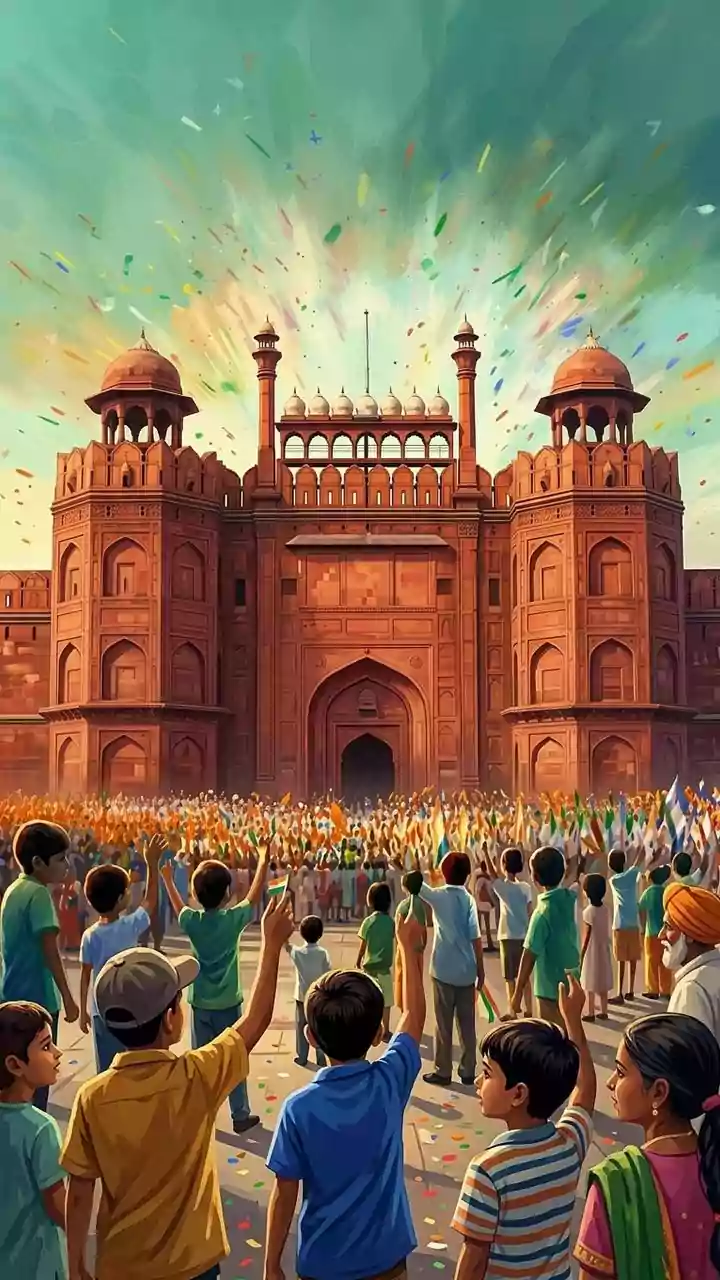
Dussehra in the capital is synonymous with 'Ramlila'—dramatic enactments of the Ramayana. For several nights leading up to Dussehra, grounds across the city host these performances, retelling the story of Lord Rama's life and his victory over the demon king Ravana. The most famous of these take place at Ramlila Maidan and near the Red Fort, drawing huge crowds with elaborate stages, celebrity appearances, and theatrical effects. The celebration culminates on Dussehra with 'Ravan Dahan', the burning of colossal effigies of Ravana, his brother Kumbhakarna, and his son Meghnad. These towering figures, often stuffed with firecrackers, go up in flames amidst a spectacular fireworks display, symbolising the definitive triumph of good over evil. In a unique twist for 2026, one committee in Pitampura announced plans to burn a 30-foot cockroach effigy to symbolise a fight against filth.
Varanasi, Uttar Pradesh: A Living Epic
The Ramlila in Ramnagar, Varanasi, is a one-of-a-kind, month-long performance recognised by UNESCO as an Intangible Cultural Heritage of Humanity. Started by the Kashi Naresh (King of Kashi) over 200 years ago, this enactment turns the entire town into a sprawling stage. Different locations in Ramnagar are designated as key places from the epic, such as Ayodhya, Lanka, and Ashok Vatika. The audience follows the actors as they move from one location to another each day, becoming part of the performance themselves. The production remains staunchly traditional, using natural light and no microphones, preserving its authentic and immersive quality. It is a pilgrimage and a performance rolled into one, offering a deeply spiritual and cultural experience on the banks of the Ganges.