

1. Sweet Potato (Shakarkandi)
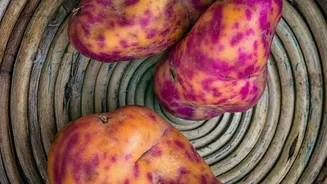
The sweet potato is perhaps the most popular and straightforward substitute for the white potato. Its natural sweetness provides a delightful contrast in savoury dishes. Nutritionally, it's a powerhouse, boasting significantly more Vitamin A in the form
of beta-carotene, which is essential for vision and immune health. While both potato varieties have similar calorie counts, sweet potatoes have a slightly lower glycaemic index, meaning they may cause less of a spike in blood sugar. They are also rich in fibre and potassium. Their versatility is a major plus. You can bake them whole, cut them into wedges for crisp baked fries, mash them with a little butter and spice for a creamy side, or cube and add them to curries and stews for a touch of sweetness and vibrant colour.
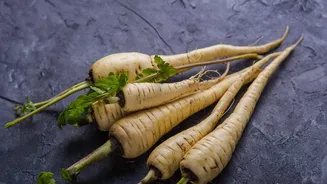
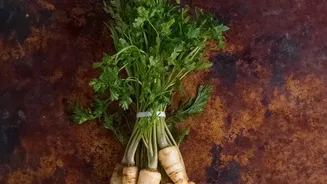
2. Parsnip (Gajar-jaisa)
Often mistaken for a pale carrot, the parsnip has a unique flavour profile that is sweet, nutty, and distinctly earthy. It becomes even sweeter when cooked, particularly after being exposed to frost. Parsnips are an excellent source of dietary fibre, which aids in digestion and promotes a feeling of fullness. They are also packed with important nutrients like vitamin C, vitamin K, and folate. Roasting is where parsnips truly shine; the high heat caramelises their natural sugars, resulting in a delicious, tender-crisp texture. They also make a wonderfully creamy and flavourful mash, either on their own or mixed with potatoes to start. For a comforting meal, add chopped parsnips to your favourite soups and stews, where they will lend a subtle sweetness and depth.
3. Taro (Arbi)
A staple in many parts of India and across Asia, taro root, or arbi, is a fantastic starchy alternative to potatoes. It has a nutty, slightly sweet flavour and a texture that can range from firm to creamy depending on how it's cooked. Taro is a great source of dietary fibre, which is beneficial for gut health and blood sugar management. It is also rich in potassium, magnesium, and vitamins C and E. Before cooking, it's important to note that raw taro can irritate the skin, so it's best to boil or cook it before peeling. Arbi can be boiled and then pan-fried with spices like ajwain (carom seeds) to make a delicious dry sabzi. It also works wonderfully in yogurt-based curries or can be sliced thinly and fried or baked to make crispy, satisfying chips.
4. Celeriac (Celery Root)
Don't be put off by its gnarled, brown exterior; celeriac, or celery root, is a culinary gem. Beneath the rough skin lies a creamy white flesh with a unique flavour that's a cross between celery and parsley, with nutty undertones. It's lower in carbohydrates and calories compared to potatoes, making it a great option for those watching their carb intake. It's also a good source of fibre and vitamin K. Celeriac is incredibly versatile. You can enjoy it raw by grating it into salads for a crisp texture, famously in the French dish céleri rémoulade. When cooked, it develops a smoother, creamier texture and a milder flavour. Try it mashed as a low-carb alternative to mashed potatoes, roasted in cubes with herbs like cumin, or puréed into a silky, elegant soup.
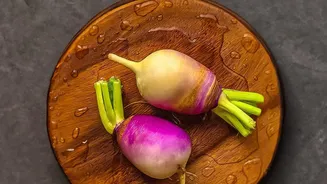
5. Beetroot (Chukandar)
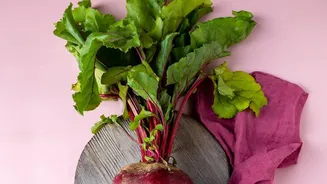
Known for its stunning deep-red hue, beetroot offers an earthy sweetness that pairs well with a variety of dishes. It is packed with essential nutrients, including fibre, folate, and manganese, and is particularly noted for its high content of nitrates, which may help improve blood flow and athletic performance. While often enjoyed pickled or in salads, beetroot is a fantastic cooked vegetable. Roasting whole or in wedges brings out its natural sweetness and softens its texture beautifully. For a vibrant and nutritious alternative to mashed potatoes, try boiling and mashing beetroots with a bit of yogurt or cream cheese. You can also grate them into patties or fritters, or even sneak them into baked goods like brownies for added moisture and nutrients.