






More Than a Diorama
Forget the static shoebox dioramas of your school days. We are entering the realm of kinetic miniatures, a vibrant field where traditional model-making collides with modern technology. Often called 'mechatronic art', this craft involves building small-scale
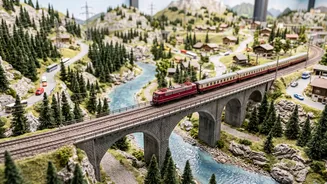
worlds that move. It’s the difference between a photograph of a bustling street and a video. These creators aren't just building models; they're programming life into them. A miniature train doesn't just sit on the tracks; it pulls into a station where tiny signals change and platform lights flicker on. It's a form of storytelling where the narrative unfolds through motion, bringing a new dimension of realism and wonder to the miniature form.
The Building Blocks of Motion
The headline ingredients—computers, motors, and imagination—are the perfect summary of the toolkit. The 'computer' is often a microcontroller, a tiny, programmable brain like an Arduino or Raspberry Pi. These affordable boards allow creators to write simple code that dictates the when, where, and how of every movement. The 'motors' are just as crucial, and they come in miniature sizes. Tiny servo and stepper motors are used to execute precise movements, from the turn of a head to the opening of a door. Add to this a palette of miniature LEDs for lighting effects, and you have the technical foundation. These components, once the domain of engineers and roboticists, are now accessible to hobbyists everywhere, providing the power to animate their creations.
The Spark of Artistry
While the technology is impressive, it's the 'imagination' that truly brings these worlds to life. A perfectly coded, smoothly moving scene falls flat if it lacks soul. This is where artistry takes center stage. Creators spend hundreds of hours on the painstaking details that sell the illusion: weathering a tiny brick wall to show age, sculpting a figure's face to convey emotion, or choosing the exact fabric for a miniature curtain. The goal is to build an atmosphere and tell a story. Whether it’s a post-apocalyptic cityscape, a whimsical fantasy forest, or a nostalgic recreation of a childhood home, the most captivating pieces are those that balance technical proficiency with a strong artistic vision. They invite the viewer not just to observe, but to believe.
A Community of Creators
This intricate hobby doesn't happen in a vacuum. A thriving global community of kinetic artists and animatronic hobbyists has formed online. Platforms like YouTube, Instagram, and Reddit are bustling hubs where creators share their latest projects, troubleshoot complex code, and exchange tips on everything from 3D printing miniature gears to painting realistic rust effects. Newcomers can find step-by-step tutorials, while seasoned veterans showcase theme-park-level animatronics built in their own garages. This collaborative spirit pushes the entire field forward, inspiring artists to attempt more ambitious projects and making the craft more accessible for anyone intrigued by the idea of building a world in miniature.
From Hobby to High Art
The line between hobby and professional art is becoming increasingly blurred. What might start as a personal project on a workbench can evolve into a gallery installation or a commissioned piece. Universities and art schools now offer courses in mechatronics and interactive art, recognizing it as a legitimate and powerful medium. Artists who have honed their skills in this niche are finding their work in demand for museum exhibits, trade shows, and even special effects in entertainment. This transition recognizes the immense skill required to master both the technical and creative aspects of the craft, celebrating these creators as both engineers and artists.