







What is E20 Petrol and Why the Push?
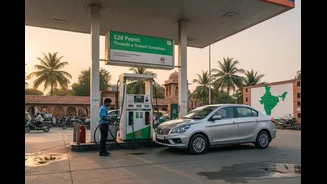
E20 is a fuel blend containing 20% ethanol and 80% petrol. India has fast-tracked its adoption, making E20 the standard petrol available across the country, well ahead of the original 2030 deadline. The goals are ambitious and crucial: reduce the country's
massive oil import bill, lower carbon emissions, and provide a financial boost to India's sugarcane and maize farmers who produce the ethanol. The government has championed this as a major success in its clean energy transition, pointing to significant foreign exchange savings and a more stable fuel pricing structure. While officials state the fuel is safe and meets stringent quality standards, the rollout has not been without its challenges, especially as it intersects with India's most powerful weather phenomenon: the monsoon.
The Monsoon Problem: A Chemical Quirk
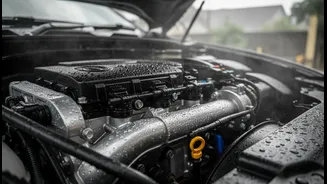
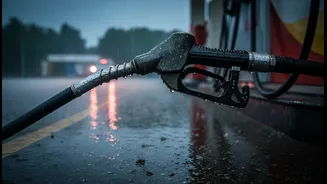
The central issue lies in a specific chemical property of ethanol: it is 'hygroscopic'. In simple terms, ethanol acts like a sponge, actively attracting and absorbing moisture from the surrounding air. During dry months, this isn't a significant concern. However, during the intense humidity of the Indian monsoon, this property becomes a major liability. The air is already saturated with moisture, which can condense inside the large underground storage tanks at petrol pumps. Dealers in heavy rainfall and coastal areas are particularly worried, as their fuel stocks are constantly exposed to these high-humidity conditions. This constant exposure to moisture creates the perfect environment for a more serious problem known as phase separation.
Phase Separation: When Fuel Stops Being Fuel
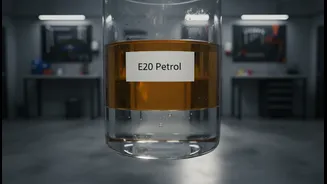
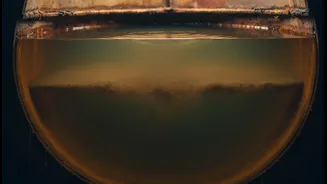
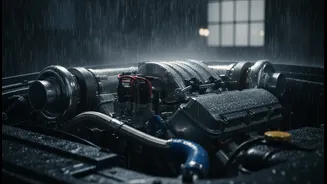
When the amount of water in a tank of E20 petrol exceeds a certain threshold—reportedly as low as 0.5%—phase separation can occur. At this point, the ethanol gives up its bond with the petrol and binds with the water instead. This new, heavier ethanol-water mixture is denser than petrol and sinks, forming a separate, sludgy layer at the very bottom of the tank. Since a vehicle's fuel pump draws fuel from the bottom of its tank, it risks sucking up this corrosive, non-combustible mixture instead of petrol. This can lead to immediate and severe consequences for a vehicle, including engine misfires, violent jerking, difficulty starting, and, in worst-case scenarios, complete engine breakdown.
The Dealers' Dilemma and Demands
Petrol pump owners find themselves on the frontline of this issue. They are concerned that the existing infrastructure, with many underground tanks designed for conventional petrol, is not fully equipped to handle the challenges of E20, especially the increased risk of corrosion in mild steel tanks and pipelines. Dealers have reportedly been instructed by Oil Marketing Companies (OMCs) to increase the frequency of water contamination checks—sometimes to once every two hours during the monsoon. However, they argue this places a significant operational and financial burden on them. When a batch of fuel is contaminated, dealers often have to discard it at their own cost, with some reporting losses of hundreds or even thousands of litres. In response, they are calling for stronger, clearer protocols from OMCs, including guidelines for disposing of contaminated fuel and potential financial support to cover losses.
What This Means For Your Vehicle
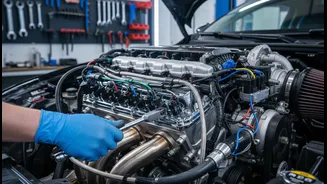
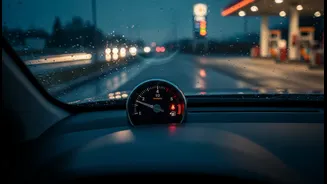
For vehicle owners, the primary concern is engine health and performance. While government bodies and manufacturers state that modern vehicles are designed to be E20 compatible, and that safeguards are in place, the risk of receiving contaminated fuel remains. Cars manufactured before 2023, which may have rubber and plastic components less resistant to ethanol's corrosive properties, could be more vulnerable. The symptoms of water-contaminated fuel can appear suddenly: your car might struggle to start, run roughly, or stall completely. A recent consumer court ruling in Chhattisgarh sided with a vehicle owner, holding a manufacturer and dealer liable for engine issues allegedly caused by E20 fuel, highlighting the growing consumer friction over the issue.
Protecting Your Ride This Monsoon
While OMCs and dealers work to adapt, vehicle owners can take some precautions. Experts advise keeping your fuel tank as full as possible, especially during rainy weather, as this reduces the amount of humid air inside the tank and minimises condensation. Be vigilant about your car's fuel cap; a worn or damaged seal can allow moisture to seep in. If you notice any sudden changes in your vehicle's performance after refuelling, such as sputtering or a loss of power, it's crucial to have it checked by a qualified mechanic immediately. If your tank is contaminated, the only solution is to have it professionally drained and flushed. Choosing to fill up at busy, well-maintained stations is also a wise strategy, as their fuel is turned over more frequently, reducing the time it sits in storage tanks absorbing moisture.