





Moving Past the Muscle Myth
The narrative that protein is only for athletes is a significant misunderstanding that is finally being corrected. Health communicators and content platforms are shifting the focus from elite performance to everyday wellness, acknowledging the realities
of modern Indian life. For busy professionals, multitasking parents, and students, maintaining energy and health is the primary goal. The challenge isn't about building massive muscles but about supporting overall nutrition amidst demanding schedules. This has led to a broader appreciation of protein as a foundational component of a balanced diet for all, not just a select few.
A Foundation for a Strong Immune System
Beyond physical strength, protein is a cornerstone of your body's defence system. Your immune system relies on protein to function effectively. Antibodies, the specialized proteins that identify and neutralize invaders like bacteria and viruses, cannot be produced without an adequate supply of amino acids from the protein you eat. Similarly, immune cells themselves, such as T-cells and macrophages, are built from protein. A diet lacking in protein can hamper your immune function, making you more susceptible to infections. Therefore, ensuring you get enough protein is a fundamental step in maintaining your body's resilience.
The Key to Healthy Ageing
As we grow older, our bodies naturally begin to lose muscle mass and strength, a condition known as sarcopenia. This gradual decline can impact mobility, increase the risk of falls, and reduce overall independence. Research shows that adequate protein intake is crucial for mitigating this process. Older adults often require more protein than their younger counterparts because their bodies become less efficient at using it to build and repair muscle. Consuming sufficient protein helps preserve muscle mass, support strength for daily activities, and improve recovery, playing a vital role in maintaining quality of life in later years.
Your Partner in Weight Management
If you've ever struggled with hunger while trying to manage your weight, protein might be the missing piece of the puzzle. Of the three macronutrients—protein, carbs, and fats—protein is the most satiating. Including a good source of protein in your meals helps you feel fuller for longer, which can naturally reduce your overall calorie intake and curb cravings for unhealthy snacks. Furthermore, protein has a higher thermic effect of food (TEF), meaning your body burns more calories digesting and metabolizing it compared to fats and carbohydrates. This makes it a powerful ally for achieving and maintaining a healthy weight.
Finding Protein in the Indian Kitchen
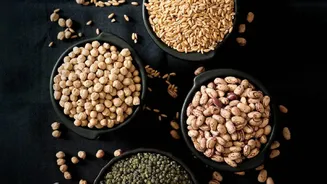
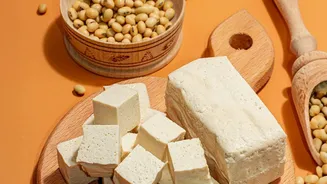
Meeting your protein needs doesn't require expensive supplements or exotic foods. The typical Indian kitchen is already full of excellent, affordable protein sources. For vegetarians, staples like lentils (dal), chickpeas (chana), kidney beans (rajma), and paneer are protein powerhouses. Soy chunks, tofu, yogurt (curd), nuts, and seeds are also fantastic options. For those who eat non-vegetarian food, eggs are a complete protein source, while chicken and fish are also excellent choices. A balanced diet incorporating a variety of these foods can help ensure you get the protein your body needs.
Are You Getting Enough?
Despite the availability of protein-rich foods, studies show that a significant portion of the Indian population doesn't consume enough protein, with many unaware of their daily requirements. The Indian Council of Medical Research (ICMR) recommends a minimum of 0.83 grams of protein per kilogram of body weight for a sedentary adult. This means a 60 kg person needs about 50 grams daily just to prevent deficiency. However, your needs increase if you are physically active, pregnant, or recovering from an illness. Taking a closer look at your meals to ensure a protein source is present can make a significant difference to your long-term health.