





The Purity Problem: Adulteration Risks
A primary concern with market paneer, especially from loose sellers, is adulteration. To cut costs and increase volume, some producers use harmful additives. Reports have found substances like starch, urea, detergents, and synthetic milk in low-quality
paneer. These adulterants not only diminish the nutritional value but can pose serious health risks, from digestive issues to long-term organ damage. The Food Safety and Standards Authority of India (FSSAI) has set standards for paneer, prohibiting the use of starch and non-dairy fats, but enforcement can be inconsistent, especially in the unorganized sector. Reputable packaged brands are generally more reliable as they must adhere to FSSAI licensing and labelling rules, but vigilance is still key.
The Homemade Advantage: Absolute Control
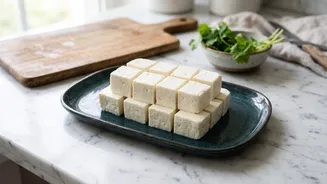
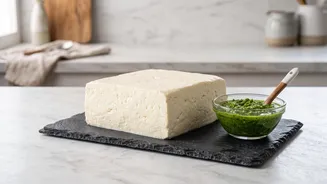
The single biggest argument for homemade paneer is control. You choose the milk, ensuring its quality and freshness, and you oversee the entire process. This eliminates the risk of industrial adulterants and preservatives. Making paneer at home allows you to use pure, whole ingredients, resulting in a product you can trust. You can also control the fat content by selecting full-fat, toned, or skim milk, tailoring the final product to your family's dietary needs. This direct control over raw materials is why many, including nutritionists, believe homemade paneer often wins on purity and nutritional integrity.
Hygiene: A Two-Sided Coin
While homemade seems inherently cleaner, safety is not guaranteed. The safety of homemade paneer is highly dependent on the quality of the milk and the hygiene of your kitchen. Using unpasteurized (raw) milk carries a risk of harmful bacteria like Listeria and Salmonella. Similarly, if utensils are not properly cleaned or the paneer is stored at an unsafe temperature, it can become contaminated. On the other hand, packaged paneer from established brands is produced in controlled, hygienic environments and often uses pasteurized milk and protective packaging like vacuum sealing to extend shelf life safely. However, there is still a risk of contamination during transport or if the packaging is damaged.
The Role of Preservatives and Additives
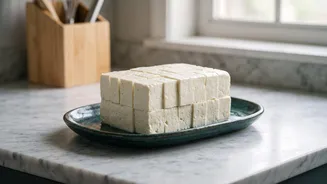
Packaged paneer often has a longer shelf life, which can be due to preservatives. While FSSAI-approved preservatives like potassium sorbate are considered safe in small amounts, some consumers prefer to avoid additives altogether. However, not all packaged paneer contains chemical preservatives; many brands rely on advanced packaging techniques like Modified Atmosphere Packaging (MAP) to maintain freshness. Homemade paneer is free from artificial preservatives but is also highly perishable, typically lasting only a few days in the refrigerator.
Nutrition, Taste, and Texture
Nutritionally, fresh homemade paneer may retain more nutrients like calcium and vitamin B, which can degrade over time in packaged versions. The taste and texture are also often superior; homemade paneer is typically softer, moister, and easier to digest. Packaged paneer can sometimes be rubbery or hard due to processing and storage. However, packaged paneer offers consistency and a clear nutrition label, so you know exactly how many calories, protein, and fat you're consuming. For instance, a 100g serving of full-fat paneer contains around 300 calories, while low-fat versions have significantly fewer.