

The Seduction of the 'Instagrammable' Kitchen
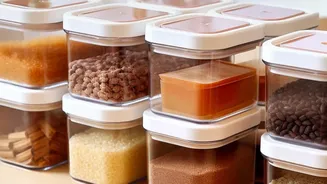
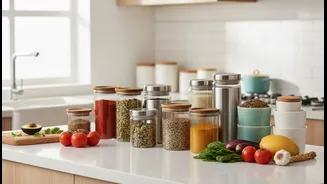
Our feeds are filled with images of flawlessly curated kitchens. Matte black utensils hang in perfect symmetry, spice jars are decanted into matching minimalist containers, and a single, stylish pan sits on a spotless stovetop. This is the era of the “Instagrammable”
home, where aesthetics can often take priority over practicality. Design experts note that while these spaces are stunning, they often sacrifice function for beauty, failing to support the realities of daily cooking and storage needs. The pressure to create a home that looks good on camera can lead us to make choices based on trends rather than utility, from impractical layouts to, most importantly, cookware that looks the part but doesn't perform.
Pretty Pans and Hidden Dangers
That trendy, colour-coordinated pan might complete your kitchen’s look, but what is it made of? Cheaper, aesthetically-focused cookware can pose risks. Many non-stick pans are coated with chemicals from the PFAS family (per- and polyfluoroalkyl substances). While a chemical formerly used in Teflon (PFOA) has been largely phased out, modern coatings can still release harmful particles and fumes if overheated or scratched. A single crack in a non-stick coating can release thousands of plastic particles into your meal. While modern, unscratched non-stick pans are generally considered safe if not overheated, the moment the surface is compromised, it should be replaced. The issue isn't just non-stick coatings; low-quality metals can react with acidic foods, potentially leaching unwanted materials into your dinner.
The Unsung Hero: A Heavy, Reliable Pot
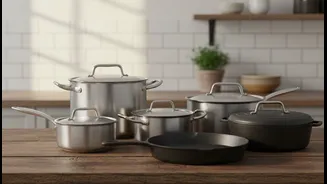
This brings us to the hero of our story: the secure, well-made pot. It might not match your minimalist decor, but its value is unmatched. High-quality cookware, typically made from materials like stainless steel, cast iron, or glass, is a worthwhile investment for several reasons. Firstly, safety. These materials are non-reactive and don't come with synthetic coatings that can degrade. Professional kitchens overwhelmingly rely on stainless steel and cast iron because they are durable and don't shed coatings into food. Secondly, performance. Superior pots and pans offer even heat distribution, which means no more hot spots that burn one side of your food while the other remains undercooked. This leads to better, more consistent cooking results, which can ultimately boost your confidence in the kitchen.
From Performance to Peace of Mind
Investing in quality cookware is about more than just better-tasting food; it’s about durability and long-term value. A well-made stainless steel or cast-iron pot is built to last for decades, unlike cheaper options that may need frequent replacement. This makes them a more sustainable and cost-effective choice in the long run. There is a tangible sense of security that comes from using a sturdy, reliable tool. You can cook at high heat without worrying about toxic fumes or a warped base. This peace of mind allows you to focus on the joy of cooking—experimenting with new recipes and sharing meals with loved ones—rather than worrying about whether your equipment is safe or performing correctly.
How to Choose a Pot That Lasts
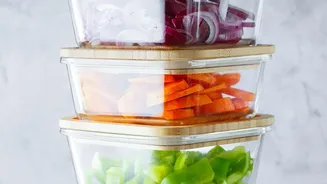
When you're ready to prioritise security, what should you look for? For everyday use, stainless steel is a top choice among experts for its durability and safety. Look for pans with a heavy base or a core of a highly conductive metal like aluminum or copper, as this ensures even heating. Cast iron is another excellent, long-lasting option, perfect for searing and developing a natural non-stick surface over time. For baking and storing food, glass is considered one of the safest and most inert materials available. Regardless of the material, check for sturdy handles that are securely attached to the pot. The goal is to choose cookware that feels balanced, robust, and ready for years of service.