






Why This Announcement Matters
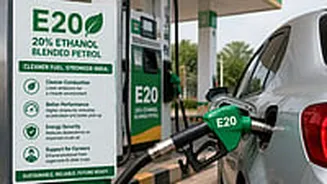
The clarification from Mercedes-Benz comes at a crucial time. India has successfully completed its ambitious nationwide rollout of E20 fuel—a blend of 20% ethanol and 80% petrol—as of April 2026. This major policy shift aims to reduce the country's reliance
on imported crude oil, lower carbon emissions, and boost the rural economy. However, the transition has sparked a significant debate among vehicle owners about its impact on engine health and fuel efficiency. Recently, a popular vlogger's viral video claiming a drastic mileage drop in his Mercedes SUV due to E20 fuel amplified these concerns, prompting the company to issue a formal statement.
The E20 Effect on Engines
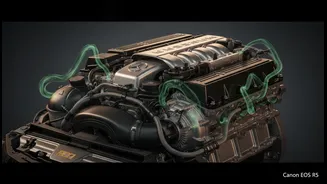
The primary concern with higher ethanol blends revolves around material compatibility. Ethanol is more corrosive than petrol and can absorb moisture from the air, potentially degrading certain rubber and plastic components in the fuel systems of older, non-compliant vehicles. This could affect fuel lines, gaskets, and seals over time. While extensive trials have found no major adverse effects on modern engines, there's a recognised risk for vehicles manufactured before E20 compatibility became standard around 2023. Furthermore, ethanol has a lower energy density than pure petrol, which can lead to a minor reduction in fuel efficiency, typically in the range of 3-5%, according to government statements.
Mercedes' Stamp of Approval
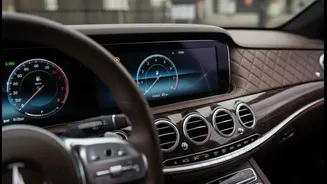
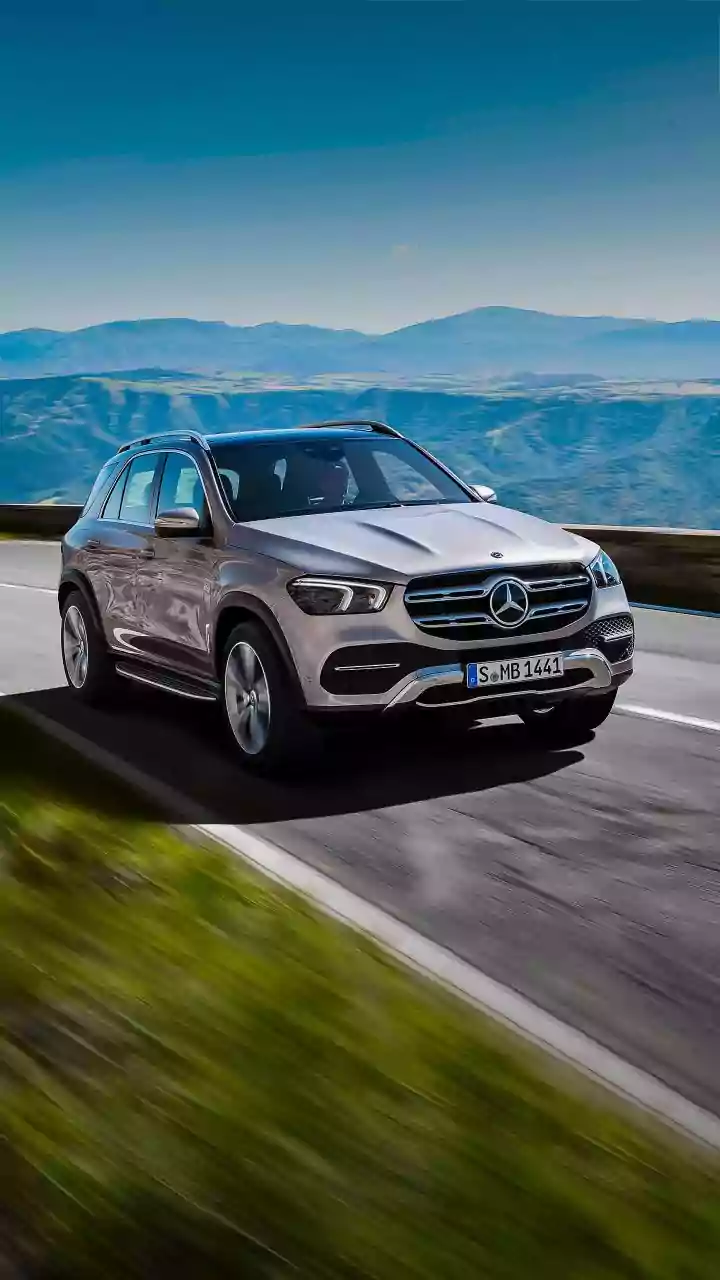
In a customer advisory released on social media, Mercedes-Benz India stated that “All Mercedes-Benz petrol BS VI vehicles are materially compatible with E20 fuel and certified accordingly by relevant authorities.” This confirms that cars sold by the brand, particularly those since the BS VI norms were introduced in 2020, have been engineered to handle the new fuel blend without risking engine damage. While the company did not address specific mileage claims, its assurance on engine reliability and performance is a significant step in building consumer confidence. The statement underscores that for these certified vehicles, using E20 fuel will not void the warranty or compromise the engine's integrity.
What This Means for Owners
For current and prospective owners of a BS VI Mercedes-Benz petrol car, this announcement provides crucial peace of mind. It validates that their high-performance engines are protected from the potential corrosive effects of ethanol blending. The company has also committed to supporting customers with any technical queries they might have, reinforcing its focus on vehicle reliability. This proactive communication distinguishes the brand in a luxury market where technical assurance and long-term performance are paramount. While a slight dip in mileage is an expected characteristic of E20 fuel itself, the core message is that the vehicle's engine is safe.
The Broader Industry Shift
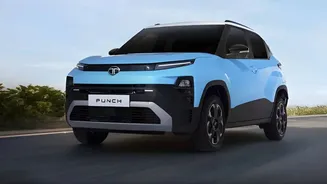
Mercedes-Benz is not alone in addressing these concerns. Other major automakers, including Tata Motors, Hyundai, and Toyota, have also confirmed E20 compatibility for their recent models. The collective industry response signals a broad adaptation to India’s evolving energy landscape. As India evaluates the next steps, with potential E25 (25% ethanol) blends on the horizon for 2029, the ability of manufacturers to engineer compatible vehicles will be critical. Mercedes' clear stance not only serves its customers but also aligns with the national vision for a more sustainable and energy-secure future, demonstrating how global brands are integrating local policy into their long-term strategy.