







More Than Just a Fruit
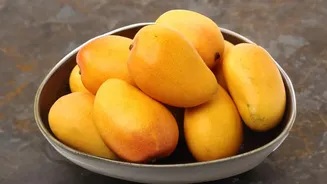
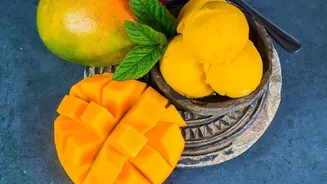
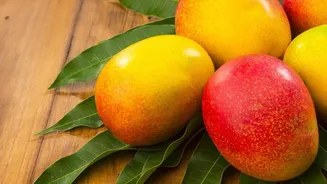
In India, the mango is not merely a fruit; it's a cultural institution. Revered as the 'King of Fruits', it signifies the arrival of summer, nostalgia for childhood, and a shared national identity across a thousand different varieties. Families bond over
the first Alphonsos of the season, and the act of sharing mangoes is a deeply ingrained gesture of goodwill. This powerful cultural and emotional significance is what makes the mango an unexpectedly potent tool in international relations—a practice often dubbed 'mango diplomacy'. For decades, Indian diplomats have used the fruit to charm dignitaries and build bridges, a tradition dating back to Prime Minister Jawaharlal Nehru.
A Long and Bumpy Road
Despite its diplomatic potential, the Indian mango's journey to American markets has been fraught with difficulty. In 1989, the U.S. banned imports of fresh Indian mangoes due to concerns over pests, specifically the fruit fly, which American regulators feared could harm domestic agriculture. For nearly two decades, this ban remained a persistent thorn in the side of agricultural trade relations. Developing nations often view such strict food safety rules as a form of disguised protectionism, while developed countries defend them as necessary, science-based precautions. The impasse reflected a broader mistrust that characterized parts of the US-India relationship during that period.
The Breakthrough 'Nuclear Mango Deal'
The first major breakthrough came in 2006. During a visit to India, then-U.S. President George W. Bush famously tasted an Alphonso mango and reportedly called it a "hell of a fruit." This moment was more than a culinary compliment; it was a catalyst. Later that year, as part of a landmark civil nuclear deal, the two countries reached an agreement: India would allow imports of Harley-Davidson motorcycles, and the U.S. would lift the 18-year ban on Indian mangoes, provided they were treated with irradiation to eliminate pest concerns. The first shipments arrived in 2007, marking a new chapter in agricultural trade and earning the pact the nickname of the "nuclear mango deal."
A Barometer for Trade Tensions
Even after the ban was lifted, mangoes continued to serve as a barometer for the health of the US-India trade relationship. Progress was not always linear. Exports were halted for nearly two years during the COVID-19 pandemic when travel restrictions prevented U.S. phytosanitary inspectors from visiting India. More recently, under different administrations, the mango has reappeared in official joint statements, often as a sweetener in tough, transactional negotiations. For example, India might express appreciation for enhanced mango market access in return for lowering tariffs on American products. This tit-for-tat dynamic shows that no matter how small the item, in trade talks, everything is connected.
A Symbol of Fruitful Progress
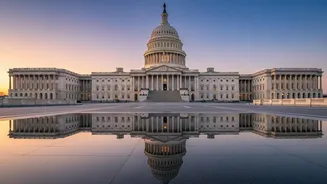
Today, the state of mango trade is a clear indicator of strengthening ties. Recent years have seen a massive surge in demand and exports, with Indian mango sales in the U.S. growing 130% in a single fiscal year to over $10 million. Indian diplomatic missions now actively host mango festivals and tasting events across the United States, from Seattle to Washington D.C., celebrating the fruit as a cultural bridge. This 'mango diplomacy' is succeeding, with some Costco stores reporting that shipments of prized Indian varieties sell out within hours of hitting the shelves. The resolution of this long-standing, tangible issue signals a growing trust and a mutual willingness to resolve complex problems, paving the way for broader agreements on more contentious topics like technology and industrial goods.