


A Sweet Surprise from the Pantry
Aloo Halwa, or potato halwa, is a beloved dessert, particularly popular in Uttar Pradesh and often prepared during religious fasts like Navratri and Ekadashi. Its origins lie in the adaptability of Indian cuisine, transforming a simple, starchy staple
into something luxurious. The appeal is simple: it uses readily available ingredients—potatoes, ghee, sugar, and milk—to create a gluten-free sweet that is both comforting and rich. Despite its simple base, the final result is a dense, flavourful confection with a smooth, melt-in-the-mouth texture that often surprises first-time tasters. It provides a quick source of energy, making it a preferred food during fasts when meals are restricted.
Mastering the Core Ingredients
The foundation of a great Aloo Halwa rests on a few key components. The choice of potato is crucial; starchy potatoes that mash well are ideal for achieving a smooth consistency. Once boiled and peeled, the potatoes should be thoroughly mashed or grated to ensure there are no lumps. Pure desi ghee is non-negotiable for an authentic flavour and aroma; it's what gives the halwa its characteristic richness. Sugar provides the sweetness, and while the amount can be adjusted to taste, it plays a vital role in the final texture as it melts and caramelises. Many recipes also include milk or khoya (milk solids) to add another layer of creaminess and depth. Finally, a touch of cardamom powder is often used to infuse the halwa with a delicate, sweet fragrance.
The Art of the Perfect Cook
Cooking Aloo Halwa is a lesson in patience. The process begins by sautéing the mashed potatoes in hot ghee in a heavy-bottomed or non-stick pan. This step is crucial and requires constant stirring over low to medium heat. Initially, the potatoes will absorb the ghee, but as they cook, they will slowly turn a light golden colour and start to release the ghee back into the pan, a sign that they are well-roasted. This can take anywhere from 10 to 15 minutes. Once the potatoes are aromatic, sugar is added. The mixture will become loose and somewhat runny as the sugar melts before it begins to thicken again. Continue stirring until the halwa comes together as a single mass and starts pulling away from the sides of the pan. This indicates that it's perfectly cooked and ready for the finishing touches.
The Finishing Touch: Nuts and Aromatics
While the halwa is delicious on its own, the garnishes elevate it from a simple sweet to a truly special dessert. As the headline suggests, cashews, almonds, and pistachios are classic choices. For the best flavour and texture, the nuts should be chopped and lightly roasted in a little ghee until they turn golden and crisp. This not only enhances their nutty flavour but also adds a delightful crunch that contrasts beautifully with the soft, smooth halwa. These nuts can be mixed into the halwa in the final stages of cooking or sprinkled generously on top before serving. The combination of creamy halwa and crunchy nuts creates a multi-layered textural experience in every bite.
Creative Twists and Variations
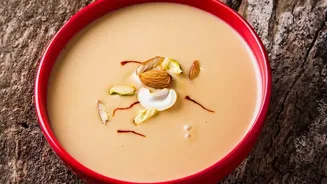
Beyond the classic trio of cashews, almonds, and pistachios, there are many other ways to garnish and flavour your Aloo Halwa. Saffron strands, soaked in a little warm milk, can be added for a beautiful colour and subtle, luxurious aroma. Raisins are another popular addition, often fried in ghee along with the nuts until they plump up. For those who enjoy exploring different flavours, a few drops of rose water or slivered rose petals can add a floral note. The core recipe is a versatile canvas, inviting you to experiment with your favourite dry fruits and flavourings to create a personalised version of this timeless dessert.