






Understanding the Puja Vibe
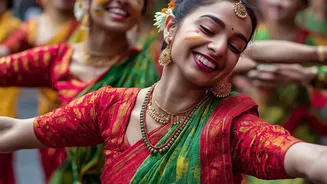
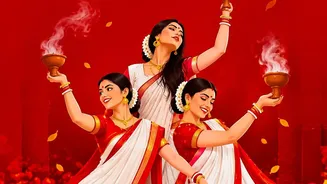
Recognised by UNESCO as an Intangible Cultural Heritage of Humanity, Durga Puja in Kolkata is far more than a religious festival; it's an emotion. For five days, the city doesn't sleep. Life revolves around 'pandal hopping'—visiting elaborate temporary
structures (pandals) that house magnificent idols of Goddess Durga. In 2026, the main festivities will run from October 17 (Shashthi) to October 21 (Vijaya Dashami). The key is to plan strategically to avoid getting overwhelmed by the sheer scale and crowds.
Day 1: North Kolkata’s Traditional Heart
Begin your journey in North Kolkata, the epicentre of heritage pujas. This part of the city is known for its traditional celebrations and old-world charm. Start at Kumartuli, the potters' quarter where the idols are crafted, to appreciate the artistry before it reaches the pandals. From there, visit Bagbazar Sarbojanin, one of the oldest and most respected pujas, famed for its classical idol. Also explore the pujas at Ahiritola Sarbojanin and Sovabazar Rajbari, one of the city's famous 'Bonedi Bari' or aristocratic family pujas that offer a glimpse into centuries-old traditions. This route is best explored on foot, as streets are often barricaded.
Day 2: The Spectacle of South Kolkata
South Kolkata is where you’ll find the most innovative, theme-based pandals, with neighbourhood clubs competing to create breathtaking artistic installations. A good strategy is to focus on a specific cluster. One popular circuit includes Ekdalia Evergreen, known for its traditional yet grand style, Singhi Park, and Ballygunge Cultural Association. Another cluster worth exploring includes Suruchi Sangha in New Alipore and Chetla Agrani, both renowned for their award-winning artistic excellence and unique themes. These pandals draw massive crowds, so be prepared for long queues, especially in the evenings.
A Culinary Intermission
Pandal hopping is fuelled by an endless array of food. Every street corner offers something delicious. Don’t miss Kolkata’s iconic Kathi Rolls, a perfect on-the-go snack. Other must-try street foods include Phuchka (Kolkata's version of pani puri), Ghugni (a spicy pea curry), and various deep-fried 'chops' and cutlets. For a more substantial meal, seek out the community 'bhog'—a traditional offering of khichuri and mixed vegetables served at many pandals. No Puja experience is complete without indulging in Bengali sweets like Mishti Doi (sweet yogurt) and Rosogolla.
Day 3: Sightseeing and the Grand Farewell
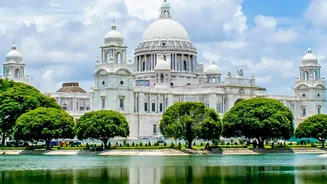
On the final day, Vijaya Dashami (October 21, 2026), the atmosphere shifts from celebration to a poignant farewell. In the morning, you can visit a classic Kolkata landmark like the Victoria Memorial or take a tram ride before the immersion processions begin. The main event is the 'Bisarjan' (immersion), where idols are taken to the ghats of the Hooghly River in grand processions with music and dancing, symbolising the Goddess's return to her celestial home. Baje Kadamtala Ghat and Ahiritola Ghat are popular spots to witness this spectacular culmination of the festival.
Essential Survival Tips
Navigating Kolkata during Puja requires patience and planning. The Kolkata Metro is your best friend for travelling between North and South, as it runs extended, often overnight, services and helps you bypass road traffic. For pandal hopping, go very early in the morning or late at night to avoid the peak crowds. Wear comfortable shoes, as you will be walking for hours. Carry a water bottle, a power bank for your phone, and a small umbrella for unexpected showers. Finally, divide the city into zones and explore one area per day to avoid wasting time in transit.