







Amazon’s signature cardboard box is a daily sight, but the journey it takes is undergoing a massive electric overhaul. The e-commerce giant is rolling out a complex, two-pronged strategy to electrify both its urban and long-haul truck fleets.
The Last-Mile Revolution
The most
visible part of Amazon's electric strategy is happening on city streets. The company has deployed tens of thousands of custom-built electric delivery vans from Rivian across hundreds of U.S. cities. These vehicles are designed for the 'last mile' — the final step of the delivery process from a local station to a customer's doorstep. In October 2026, Rivian began delivering upgraded versions of its vans with a larger battery pack, extending their range by 30% and offering an all-wheel-drive option better suited for rural routes. Beyond the U.S., Amazon achieved its goal of deploying 10,000 electric vehicles in India ahead of its 2025 schedule. This urban focus aims to reduce noise and air pollution in densely populated areas, a key part of the company's commitment to reach net-zero carbon emissions by 2040.
Conquering the Middle Mile
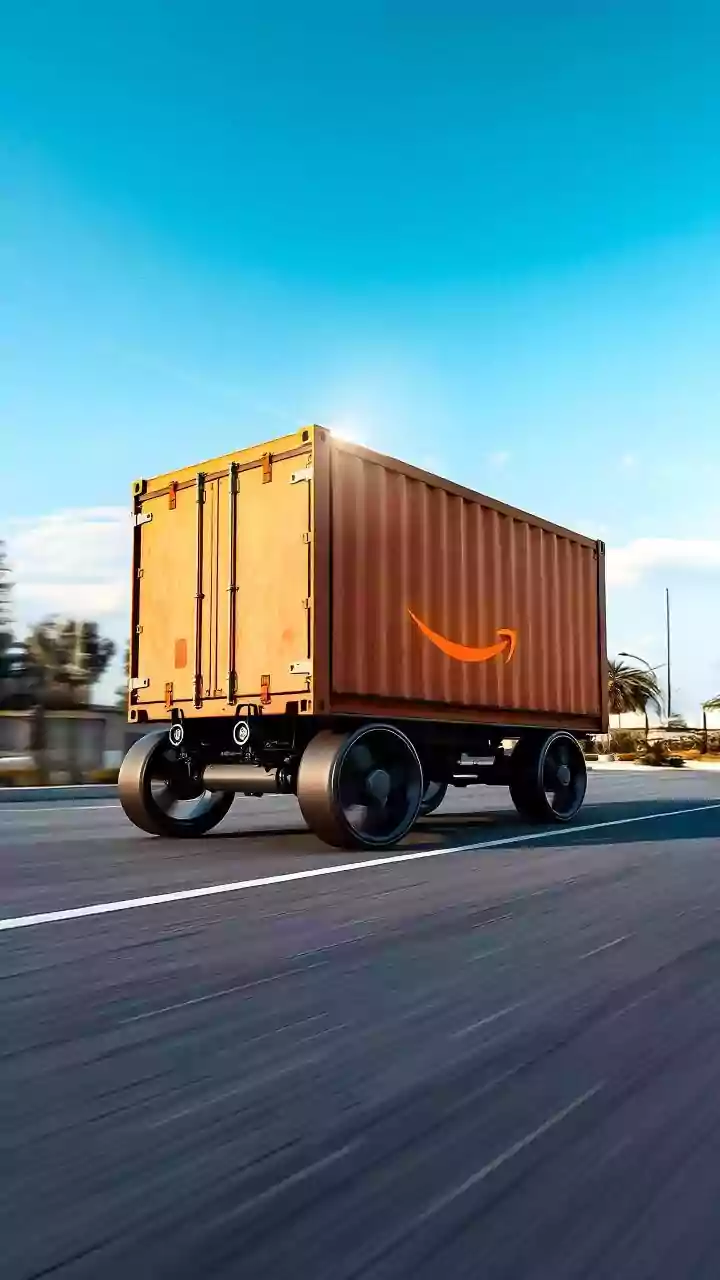
While city vans handle the final delivery, a different class of vehicle is needed for the 'middle mile'. This crucial stage involves moving large quantities of goods between massive fulfillment centers and smaller, regional sortation stations. Here, Amazon is turning to heavy-duty electric trucks. In a significant move in India, Amazon announced a collaboration with Tata Motors in October 2026 to deploy 3,000 electric trucks. This represents the largest electric truck rollout by an e-commerce company in the country and a major step beyond last-mile vans. The initial phase will deploy light- and medium-duty trucks within cities like Delhi before expanding to major highway corridors. In the U.S., Amazon has been deploying dozens of Volvo VNR Electric Class 8 trucks in Southern California to haul cargo containers from the busy ports of Los Angeles and Long Beach to its inland facilities.
Challenges on the Road Ahead
Electrifying a logistics network as vast as Amazon's is a monumental task fraught with challenges. A primary hurdle is the sheer scale of charging infrastructure required. For its last-mile vans alone, Amazon partnered with firms like PowerFlex to manage over 20,000 chargers across more than 150 sites, a complex undertaking involving local utilities and scalable software. For heavy-duty trucks, the challenge is even greater, requiring high-powered chargers and significant grid upgrades. Beyond infrastructure, other persistent issues include high labor turnover, managing inventory accuracy, and scaling operations during peak seasons, all of which put pressure on the logistics network that these new electric fleets must operate within. The company's reliance on carrier partners to own and operate many of these trucks means the economic viability of EVs—from purchase price to electricity and maintenance costs—is crucial for widespread adoption.
The Bigger Picture: Climate and Competition
This dualfront electrification strategy is a cornerstone of Amazon's broader corporate goal, The Climate Pledge, which commits the company to reaching netzero carbon emissions by 2040. The company has moved away from its earlier, more narrow 'Shipment Zero' goal to focus on this more comprehensive pledge that covers its entire business. By investing heavily in both lastmile and middlemile electric vehicles, Amazon is not only working toward its own sustainability targets but also setting a new standard for the logistics industry. This puts pressure on competitors and signals to vehicle manufacturers and energy providers where future demand lies. The goal is to create a blueprint for an ecommerece ecosystem that is both fast and efficient, without the environmental cost of a fossilfuelpowered supply chain.