



Beyond the Headline Numbers
On the surface, India's passenger vehicle market appears healthy, with sales charts showing consistent upward movement. However, industry experts are pointing to a deeper structural shift that is more significant than just volume growth. The real story
isn't just that more people are buying cars, but that different people are entering the market for the first time. This includes a growing cohort of buyers from non-metro areas and a notable change in the types of vehicles they aspire to own. This broadening of the customer base is reshaping the market's future.
The SUV Is the New 'First Car'
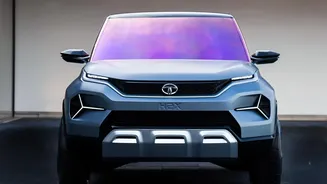
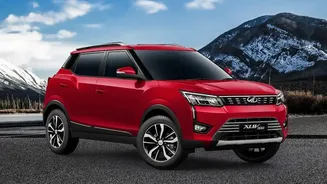
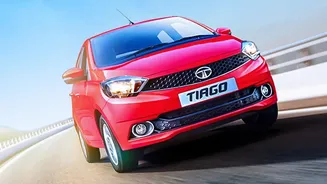
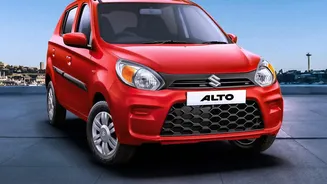
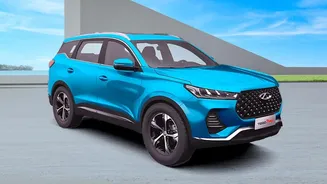
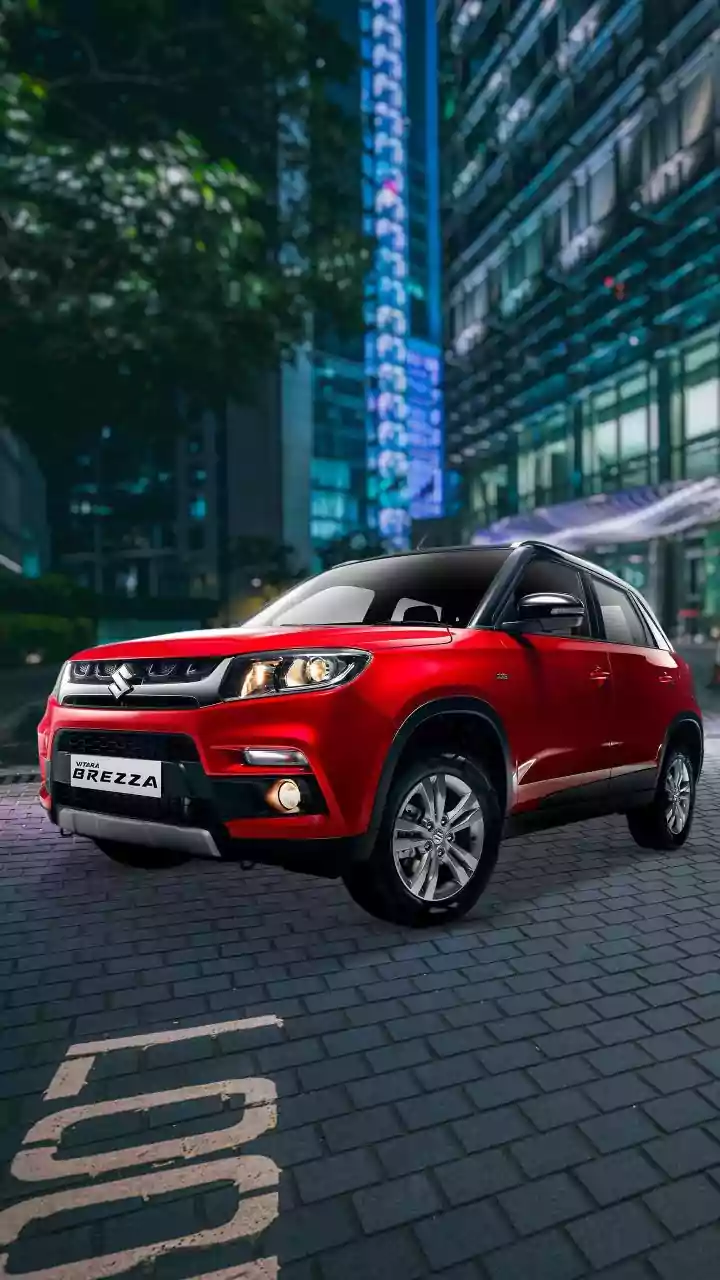
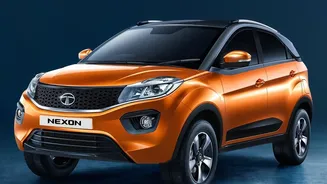
For years, the default choice for a first-time Indian car buyer was an entry-level hatchback—small, affordable, and fuel-efficient. That era is decisively over. Today, the Sports Utility Vehicle (SUV) has captured the nation's aspiration. Data shows that the market share of SUVs has surged, now accounting for over half of all passenger vehicle sales, while hatchback share has fallen to a near two-decade low. This isn't just happening in the premium segment; compact SUVs are now the go-to for many new buyers, who are prioritising road presence, features, and lifestyle fit over pure affordability. Automakers have responded in kind, with some, like Mahindra & Mahindra, shifting their focus almost entirely away from hatchbacks and sedans.
The Rise of Rural and First-Time Buyers
A significant engine of this change is the demand coming from outside India's major metropolitan hubs. In recent years, rural and semi-urban markets have consistently outpaced urban centres in sales growth. This rural surge is largely driven by first-time buyers. Bolstered by rising disposable incomes, better road infrastructure, and wider availability of financing, families in smaller towns and villages are making the leap from two-wheelers to four-wheelers. Recent data from major automakers like Maruti Suzuki shows a dramatic increase in the share of sales coming from first-time buyers, a trend attributed partly to government tax rationalisation on smaller vehicles which has improved affordability.
A Broader Base, Not a Guaranteed Boom
While a wider and more diverse customer base is a sign of a maturing market, it doesn't automatically translate into an unending sales explosion. The headline is clear: this is about the buyer mix, not a guaranteed boom. Several factors temper expectations. For one, the decline of the entry-level hatchback segment indicates that affordability remains a major hurdle for a large portion of the population. Though a recent GST cut on smaller cars provided a modest revival for the entry-level category, the broader trend is toward more expensive, feature-rich vehicles. Furthermore, as the market matures, replacement cycles can lengthen, and the initial explosive growth seen in emerging markets begins to normalise into a more stable, replacement-driven demand cycle.
The New Automotive Landscape
This evolving buyer profile presents both challenges and opportunities for the automotive industry. Manufacturers must now cater to a split market: the aspirational first-time buyer in a Tier-2 or Tier-3 city who wants an SUV, and the urban upgrader looking for premium features or an electric vehicle. Preferences are also diversifying in terms of fuel type, with CNG and electric vehicles making significant inroads and accounting for a growing share of sales. The focus is shifting from simply selling units to understanding the nuanced needs of a more complex consumer base, from the desire for advanced safety features to digital connectivity and the total cost of ownership.