


An Ambitious Menu for the Stars
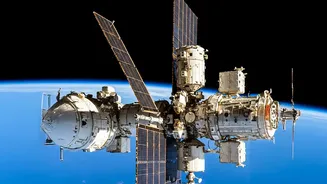
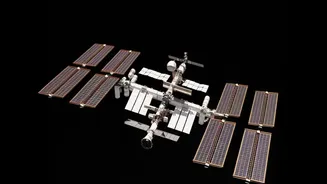
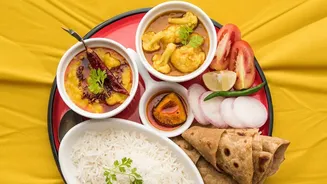
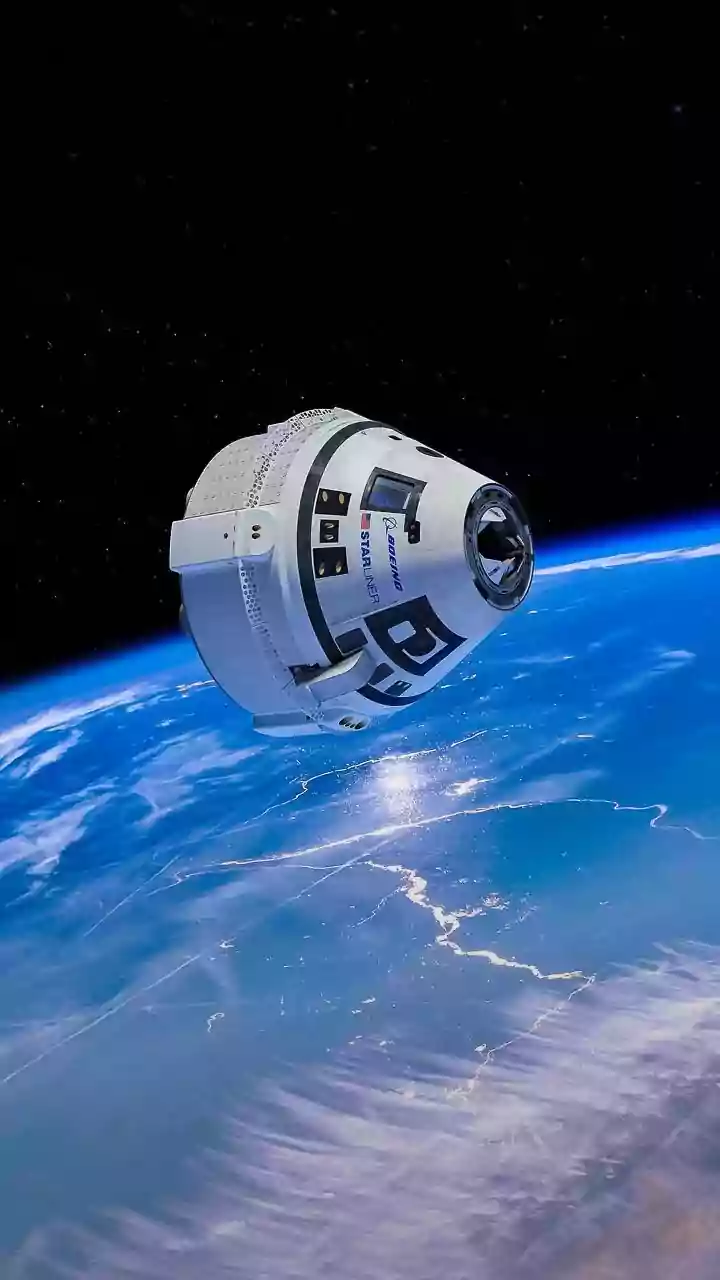
The Axiom-4 (Ax-4) mission was a landmark moment, marking the first time an Indian government-sponsored astronaut, Shubhanshu Shukla, visited the International Space Station (ISS). In preparation, India’s Defence Food Research Laboratory (DFRL), part
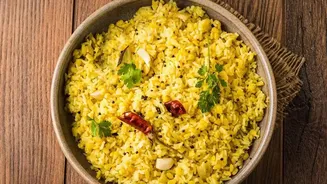
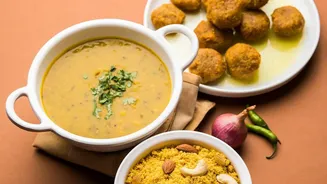
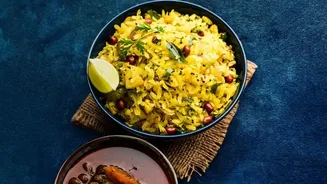
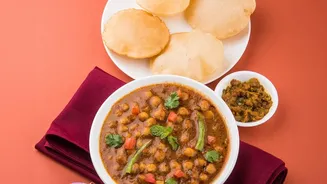
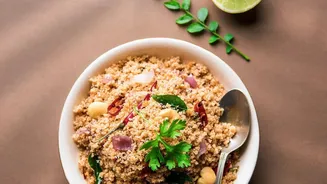
of the DRDO, aimed high. They developed an extensive menu of classic Indian dishes for qualification, hoping to give Shukla a comforting taste of home far above the Earth. The initial list was a dream for any food lover, featuring comforting staples like khichdi and pulao, alongside various vegetable preparations. The goal was not only to provide familiar food for Shukla but also to get more Indian dishes certified for future missions, including India’s own Gaganyaan program.
The Rigorous Reality of Space Cuisine
Getting food approved for space is far more complex than just good cooking. Every item must undergo a gruelling certification process. Space food must have a long shelf life without refrigeration, often up to 18 months, and be able to withstand the intense vibrations of a rocket launch. In microgravity, food safety is paramount. Nothing can produce crumbs, which could float away and damage sensitive equipment. Meals must also be nutritionally balanced, often with lower sodium, and processed to eliminate harmful microbes through methods like thermostabilisation or irradiation. This process, which evolved from the early days of the space race, uses a system of Hazard Analysis and Critical Control Points (HACCP) to ensure absolute safety, as an astronaut falling ill could jeopardise an entire mission.
From Feast to Trio: What Made the Cut?
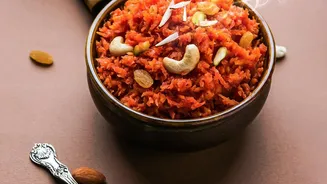
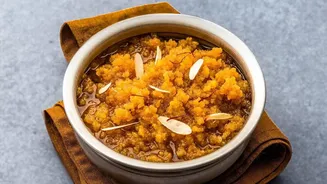
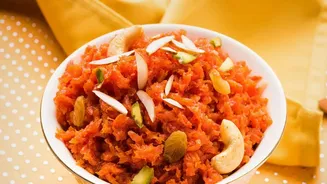
Faced with these stringent requirements, the extensive Indian menu was whittled down significantly. After rigorous testing, only three items received the coveted space-flight certification: Gajar ka Halwa, Moong Dal Halwa, and Aamras (mango pulp). While savouries like khichdi and pulao didn't make it this time, these three sweets successfully cleared all qualification hurdles. According to Shukla, a primary factor was time. The DFRL team simply ran out of time to conduct all the necessary tests on the other dishes to get them certified before the mission's deadline. The approved dishes were specially prepared to be safe and stable, offering a sweet, nostalgic link to home for the international crew.
A Shared Taste of India in Orbit
Interestingly, while Shukla brought the Indian dishes to space, he ended up sharing all of them with his international crewmates from the US, Poland, and Hungary. He mentioned that his fellow astronauts thoroughly enjoyed the taste of Indian sweets, making it a moment of cultural exchange. For Shukla, the craving for familiar spicy and salty food kicked in after about two weeks in orbit. This is a common experience for astronauts, as fluid shifts in the body due to microgravity can dull the senses of taste and smell, making them desire more intensely flavoured food. Upon his return to Earth, his Indian flight surgeon fittingly welcomed him with banana chips and bhakarwadi.
More Than Just a Meal
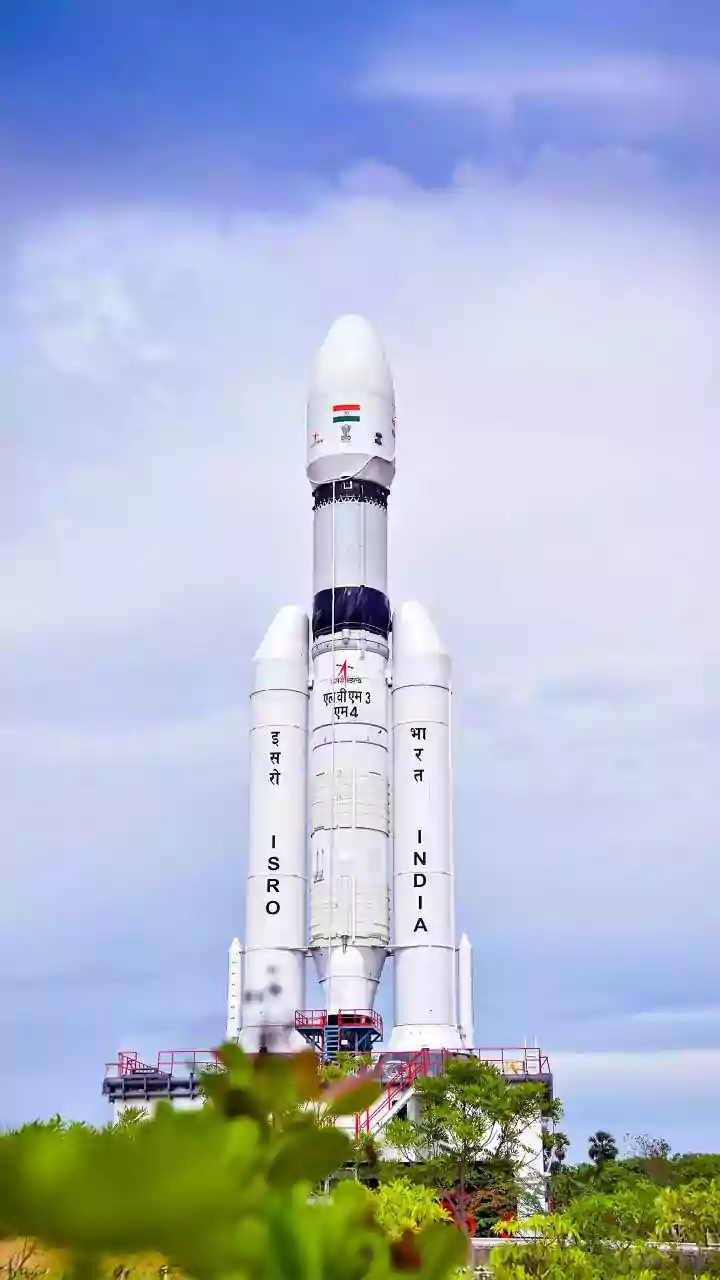
The story of the Axiom-4 menu is more than just a culinary footnote; it highlights the immense technical challenges of human spaceflight. It also showcases India's growing capabilities and ambitions in space. The work done by the DFRL for this mission serves as a valuable learning experience for the upcoming Gaganyaan mission, which aims to send Indian astronauts into space on an Indian rocket. While only three dishes made it this time, the effort represents a significant step towards creating a wider variety of Indian cuisine for future astronauts. As nations collaborate on the final frontier, sharing food becomes a powerful symbol of unity, proving that even in the sterile environment of a space station, the comfort of home-cooked flavours remains a universal human need.