






The Case for Mighty Mushrooms
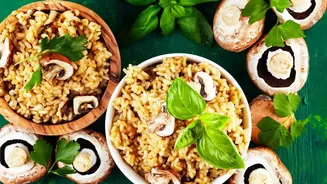
Often mistaken for a simple vegetable, mushrooms are fungi, a unique kingdom of their own, which explains their distinct nutritional profile. They are one of the few non-animal sources of vitamin D, especially when exposed to UV light during growth. This
is a crucial nutrient for bone health and immune function that is absent in zucchini. Mushrooms are also packed with B vitamins like riboflavin, niacin, and pantothenic acid, which are essential for converting food into energy and maintaining a healthy nervous system. Furthermore, they are a leading source of selenium, a powerful antioxidant that protects cells from damage, and the unique antioxidant ergothioneine. Potassium, important for regulating blood pressure, is another mineral where mushrooms often have an edge over zucchini. Their savoury, umami flavour and meaty texture also make them a satisfying substitute for meat in many dishes, all while being low in calories and fat.
The Argument for Versatile Zucchini
Zucchini, a type of summer squash, brings a completely different set of strengths to the table. Botanically a fruit but treated as a vegetable, its most significant contribution is its high content of Vitamin C and Vitamin A (in the form of beta-carotene). Vitamin C is vital for immune support and skin health, while Vitamin A is crucial for vision. Zucchini skin is particularly rich in antioxidants like lutein and zeaxanthin, which are known to protect eye health. While lower in potassium than some mushrooms, a medium zucchini still provides a respectable amount of this important mineral. With a high water content and plenty of fibre, zucchini is incredibly hydrating and promotes digestive health, helping you feel full on very few calories. This makes it a fantastic choice for weight management. Its mild flavour allows it to be easily incorporated into countless recipes, from salads and sautés to baked goods.
A Head-to-Head Nutrient Mismatch
When you place their profiles side-by-side, the reason for the nutritional deadlock becomes clear. Mushrooms offer significant amounts of B vitamins and selenium, where zucchini offers very little. Conversely, zucchini is a great source of vitamins A and C, nutrients that are largely absent in mushrooms. The most telling difference is vitamin D; UV-exposed mushrooms can be a powerhouse of this nutrient, while zucchini contains none. On the other hand, zucchini provides antioxidants like lutein and zeaxanthin, which mushrooms lack. They don't compete on the same playing field because they aren't playing the same game. Each food fills a different nutritional gap. Choosing one over the other means missing out on the unique benefits the other provides. For example, a meal with mushrooms can support your energy metabolism and vitamin D levels, while a zucchini-rich dish boosts your antioxidant intake and vitamin C levels.
The Real Winner: A Diverse Plate
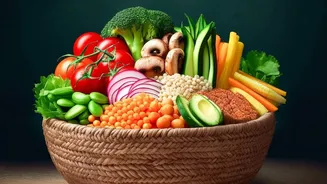
This brings us to a larger truth in nutrition: the concept of a single 'superfood' is often more about marketing than science. True health comes from dietary diversity. Instead of searching for one vegetable to rule them all, the goal should be to build a 'super plate' filled with a variety of colours and types of foods. Mushrooms and zucchini are perfect partners in this strategy. Their complementary nutrient profiles mean they work better together. Eating a wide range of vegetables ensures you get a broader spectrum of vitamins, minerals, and phytonutrients, which work in synergy to support your overall health. A varied diet also feeds a more diverse and resilient gut microbiome, which is increasingly linked to everything from immune function to mental well-being. So, the contest between mushrooms and zucchini was never a contest at all. It's a demonstration of teamwork at the nutritional level.