







The Foundation: Embrace Whole Grains
The simplest and most effective switch for a higher-fibre diet is choosing whole grains over refined ones. Replacing regular atta with whole-wheat or multigrain atta can add a significant amount of fibre to your daily rotis. While often seen as a health
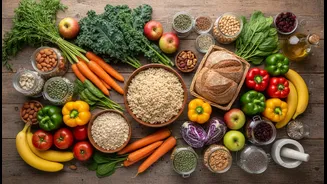
trend, traditional millets like jowar, bajra, and ragi are fibre powerhouses. Making rotis from these flours, or creating dishes like vegetable dalia and oats upma, builds a strong, fibrous foundation for your meals. Although some millets can be pricier than rice, their high satiety index means you eat less, which can balance the cost over time. Brown rice is another excellent, affordable swap for polished white rice.
Fibre Powerhouses: Dals and Legumes
Lentils and legumes are the undisputed champions of a budget-friendly, high-fibre, and protein-rich diet in India. Dals like moong, masoor, toor, and chana are inexpensive staples that form the backbone of Indian cuisine. A single cup of cooked rajma (kidney beans) or chana (chickpeas) provides a substantial portion of your daily fibre needs. Incorporating a dal or legume into every main meal is a simple strategy to ensure you're getting enough fibre and protein. Sprouting legumes like moong can further enhance their nutritional value at a negligible cost.
Your Best Friends: Seasonal and Local Vegetables
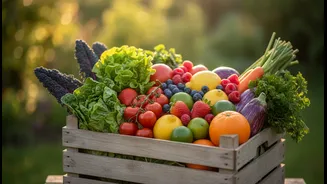
One of the surest ways to save money is to buy vegetables that are in season and locally available. Seasonal produce is not only cheaper and fresher but also more nutrient-dense. Fill your shopping cart with leafy greens like spinach (palak) and fenugreek (methi), and other fibrous vegetables like okra (bhindi), carrots, and beetroot. Aim to fill half of your plate with vegetables at lunch and dinner. This strategy increases your fibre and vitamin intake without significantly increasing your grocery bill. Don't shy away from your local vegetable market for the best prices and freshest options.
Smart Fruit Choices on a Budget
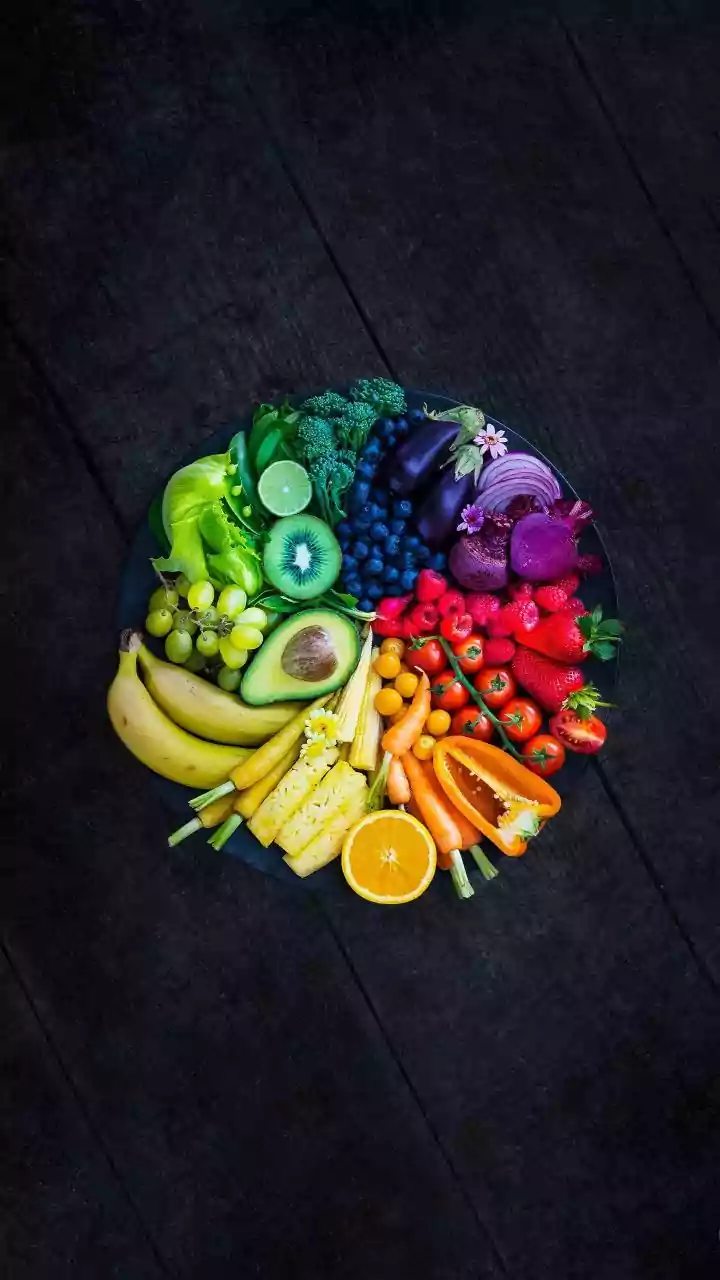
Fruits are an essential source of fibre and vitamins, but some can be expensive. Focus on affordable, seasonal fruits that are available year-round. Bananas, guavas, and papayas are excellent, budget-friendly choices that are packed with fibre. An apple a day is also a great option, but be sure to eat it with the peel, which contains much of the fibre. Swapping a processed snack like biscuits for a whole fruit is a simple, healthy upgrade that supports your gut and your budget. Buying from local vendors can often be cheaper than supermarkets.
Affordable Protein for Satiety
While dals and legumes are fantastic protein sources, adding other affordable options ensures variety. Eggs are one of the most cost-effective, high-quality proteins available. Soya chunks are another incredibly cheap yet protein-dense food, providing more protein per gram than most other sources. Peanuts are an often-overlooked source of both protein and healthy fats that are very easy on the wallet. These foods help keep you feeling full for longer, reducing the urge to snack on less healthy options between meals.
Putting It Together with Meal Planning
A successful budget grocery list starts with a plan. Before you shop, outline your meals for the week. This prevents impulse purchases and reduces food waste. A sample day could start with vegetable poha or moong dal chilla. Lunch could be a combination of dal, a seasonal vegetable sabzi, and rotis made from multigrain atta. For dinner, a hearty dish like rajma-chawal or vegetable khichdi makes for a complete and satisfying meal. By planning ahead, you ensure that you use everything you buy, stretching your budget while enjoying a diverse and fibre-rich diet.