





The Golden Rule: Start Small
The most common mistake when cooking with turmeric is simply using too much. Its flavour is potent and can quickly shift from warmly earthy to unpleasantly bitter and medicinal. A little goes a long way. For most dishes serving four people, starting with ¼
to ½ teaspoon of ground turmeric is a safe bet. You can always add more, but you can't take it out. Fresh turmeric is less concentrated than dried, so a general rule is to use three times as much fresh as you would ground powder. For example, if a recipe calls for one teaspoon of powder, you would use one tablespoon of grated fresh turmeric.
Unlock Flavour: The Art of Tempering
One of the best ways to mellow turmeric’s raw, bitter edge is to “bloom” it in fat. This technique, a core part of Indian cooking, involves gently heating the spice in oil or ghee for 30 to 60 seconds before adding other ingredients. This process does two things: it cooks out the raw taste, resulting in a warmer, more rounded flavour, and it helps release turmeric’s fat-soluble compounds, allowing its colour and taste to disperse more evenly throughout the dish. Add it to your pan along with other aromatics like garlic and ginger over medium heat until it becomes fragrant. Be careful not to let the oil get too hot, as scorched turmeric turns acrid instantly.
Golden Grains: Turmeric in Rice
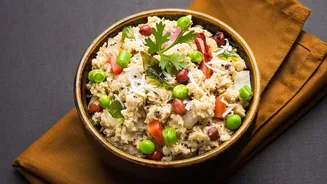
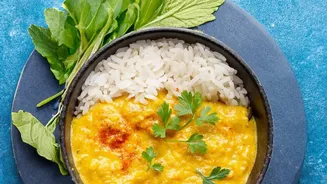
Adding turmeric to rice is a simple way to bring beautiful colour and a subtle layer of flavour. For a pot of plain rice, blooming ½ teaspoon of turmeric in ghee or oil before adding the uncooked rice is perfect. Stir to coat the grains, then add your water and cook as usual. This method infuses the rice with a gentle warmth that complements rather than competes. For dishes like pulao or biryani, where many other spices are at play, turmeric acts as a foundational colour and flavour. It harmonises with other spices like cumin and coriander, providing an earthy base note that ties everything together.
Sunshine in a Bowl: Soups and Dals
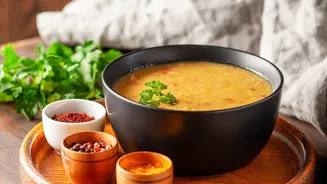
In liquid-based dishes like soups and dals, turmeric can easily be added to the initial tempering of spices. For a simple dal tadka, bloom the turmeric in ghee with cumin seeds and asafoetida before pouring it over the cooked lentils. For a hearty chicken or vegetable soup, add the turmeric powder along with your onions, carrots, and celery, sautéing for a minute before adding your broth. The key is to ensure it cooks with the aromatics first. Pairing it with acidic ingredients like lemon or tomato, or creamy elements like coconut milk, can also help balance its earthy notes and prevent any bitterness from taking over.
Vibrant Bites: Seasoning Snacks
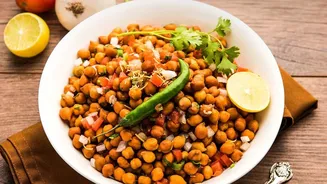
Turmeric is wonderful for adding colour and a healthy touch to snacks. When roasting vegetables like cauliflower or potatoes, toss them in oil, salt, and a small amount of turmeric before they go into the oven. The spice provides a lovely golden crust and a mild, savoury flavour. You can also make a simple seasoning for roasted chickpeas or nuts by mixing turmeric with other spices like cumin, coriander, and a pinch of chilli powder. Remember to pair it with a fat (like olive oil) and a little black pepper, which helps enhance the absorption of curcumin, turmeric's active compound.
The Heart of the Matter: Perfecting Curries
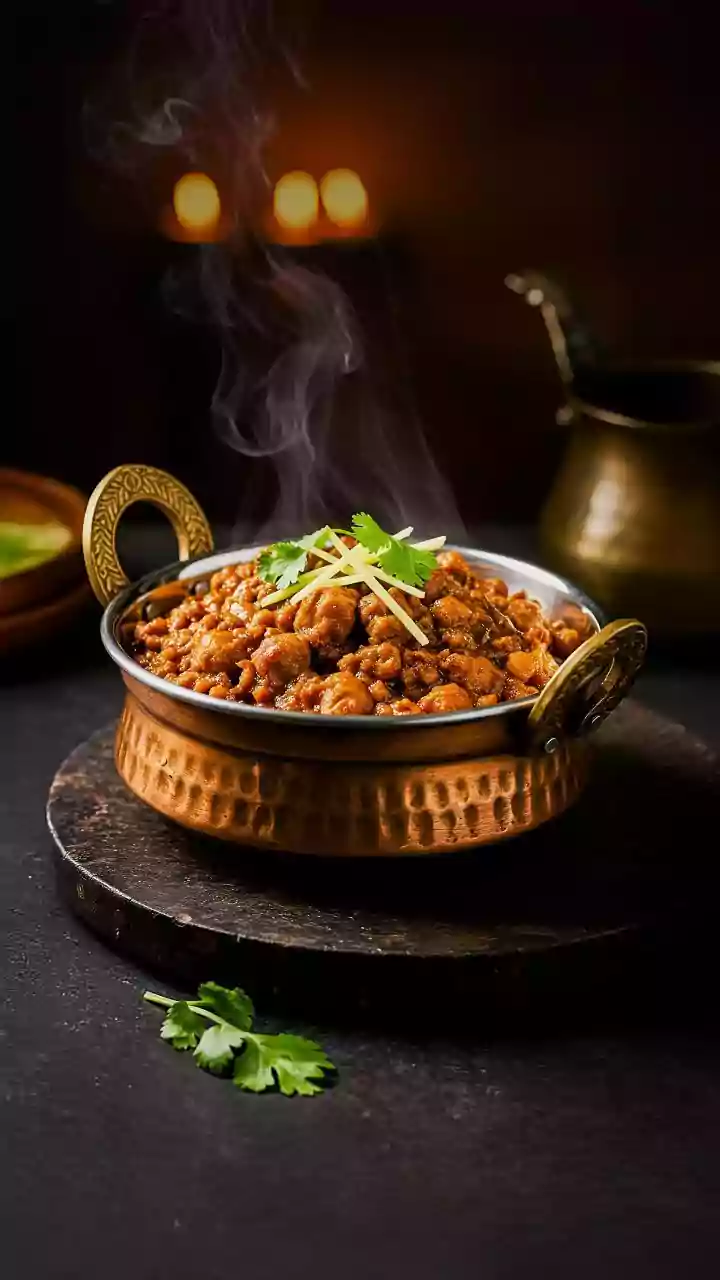
In a curry, turmeric is essential, but it should be a team player, not the solo star. Most yellow curry powders use turmeric as a base, but balance it with spices like coriander, cumin, and fenugreek. When making a curry from scratch, add the turmeric powder after your onions have softened but before you add liquids like coconut milk or tomato puree. This brief cooking period is crucial for developing its flavour. A well-balanced curry relies on layers of flavour, where turmeric provides the foundational colour and earthiness, while other spices like ginger, garlic, and chillies provide pungency and heat, and ingredients like tamarind or lime juice add a final, bright lift.