



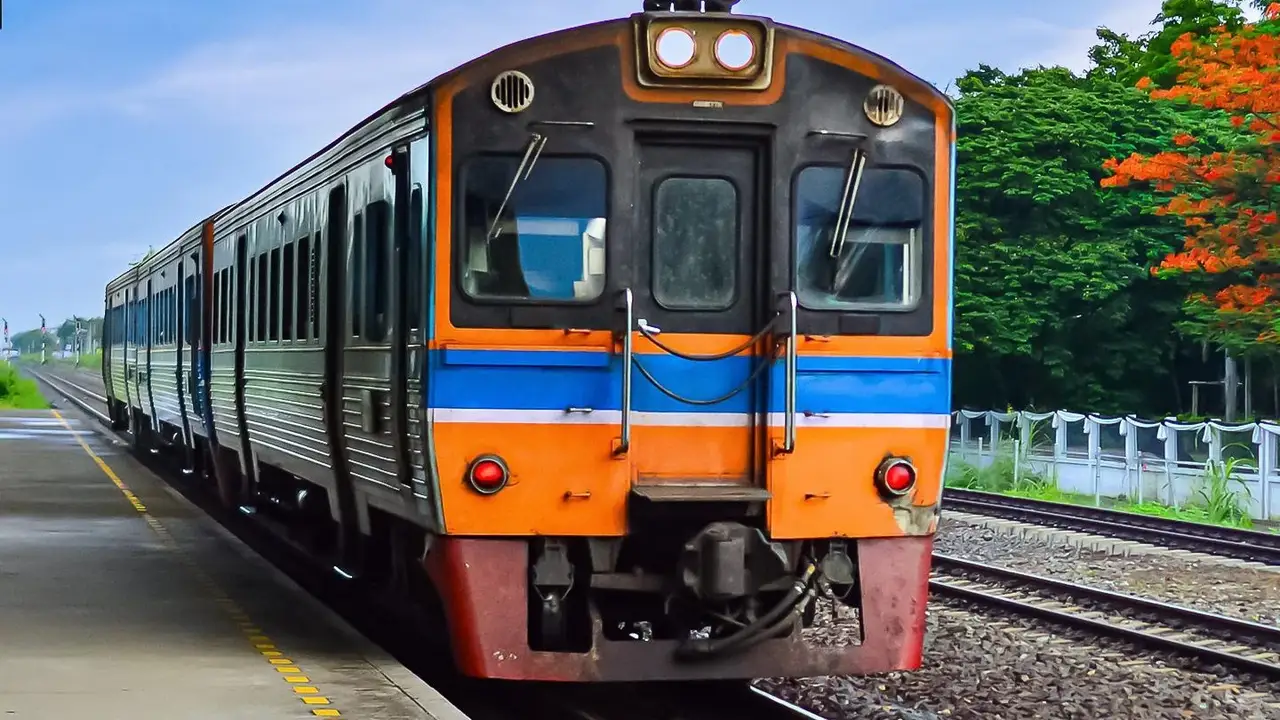

A Station on the Frontier
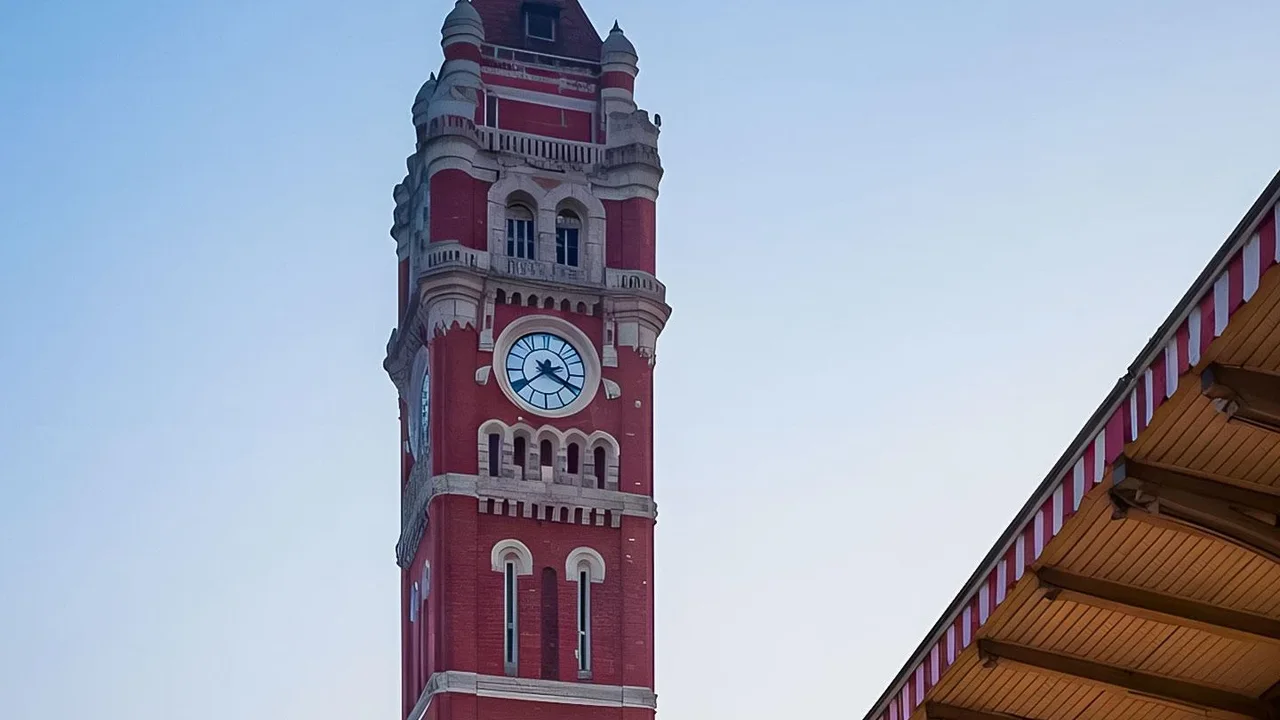
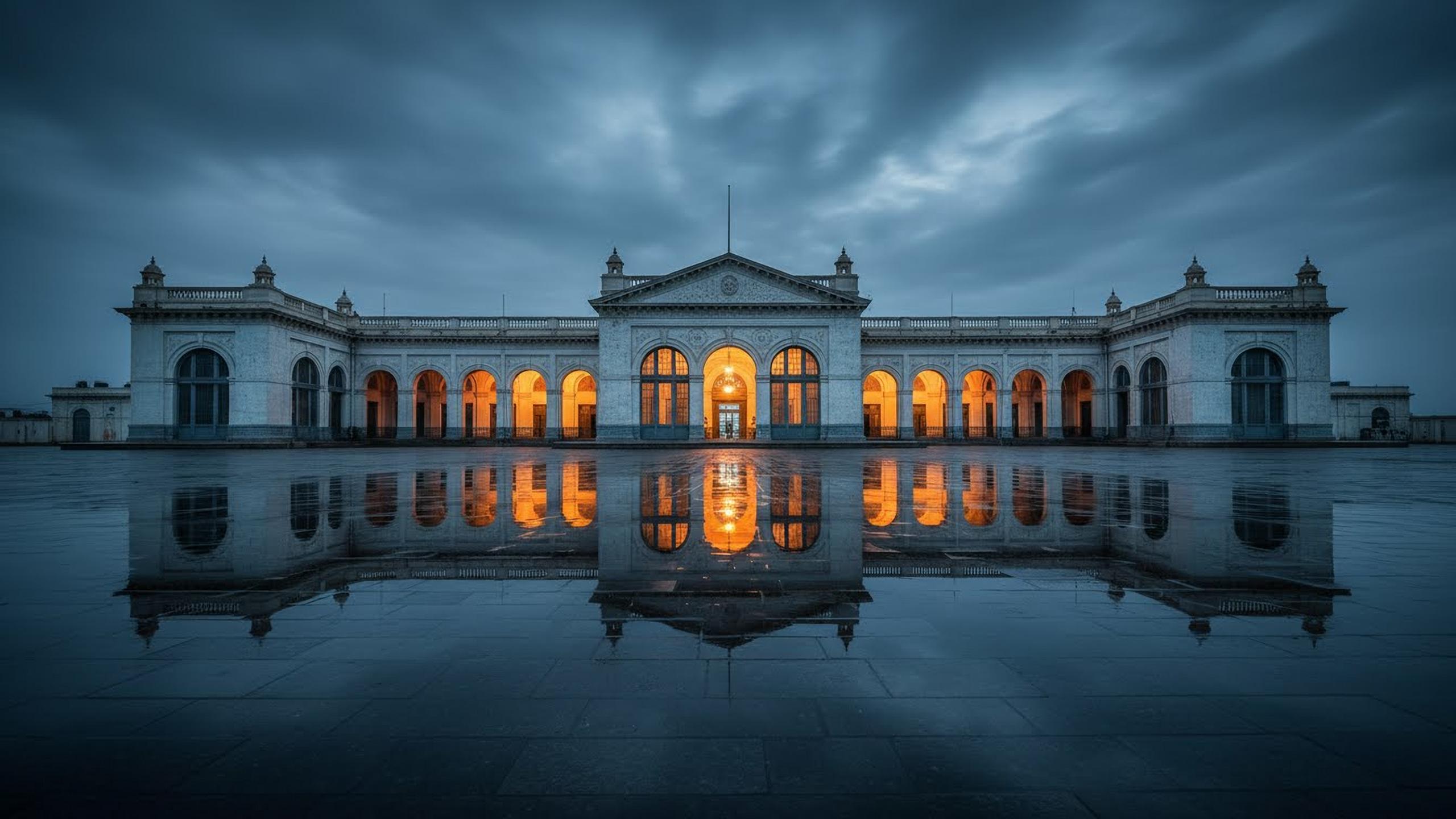
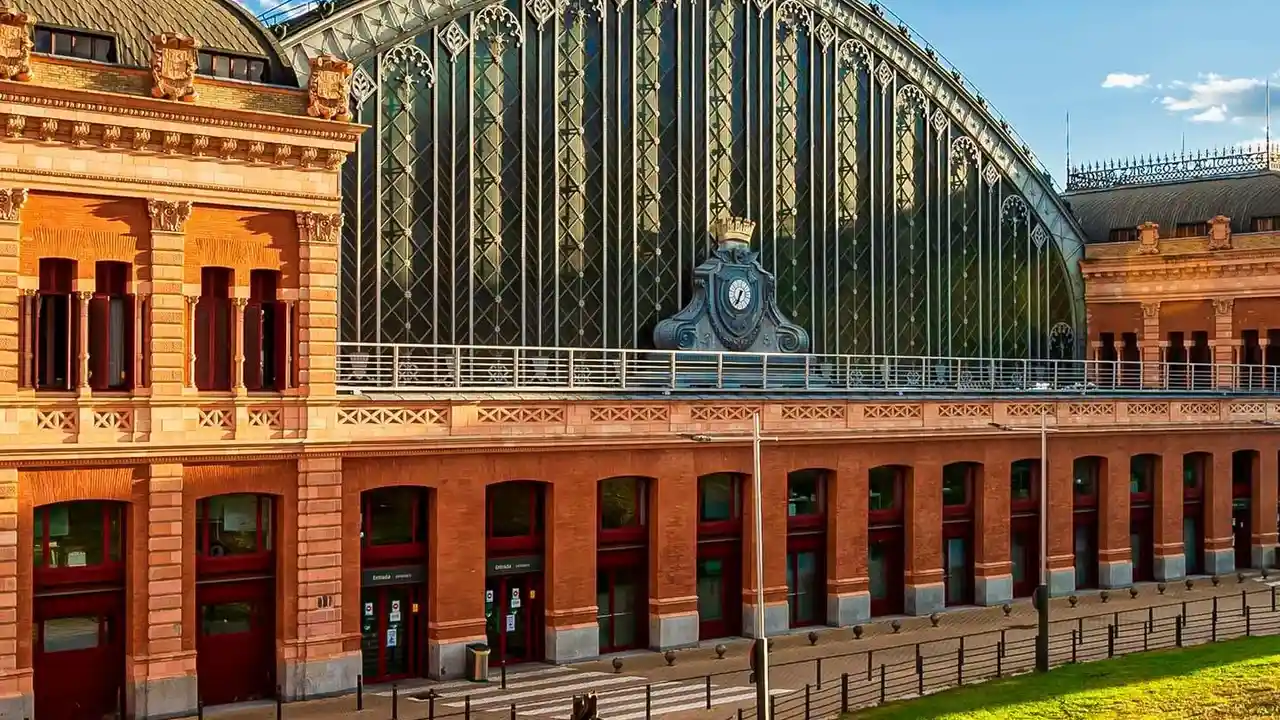
Opened in 1862, the Attari railway station has long been a witness to history. Situated in Punjab, just a few kilometres from the Wagah border, it became the final Indian stop on the historic Amritsar-Lahore line. During the traumatic Partition of 1947,
it was a gateway for those crossing into a new nation, its tracks bearing silent testimony to the subcontinent's painful division. Its unique position meant it was destined for a significant role in the complex relationship between India and Pakistan. Today, it remains the only railway station in India where a visa and passport are required for entry, a stark reminder of its international importance.
The Birth of the 'Friendship Express'
In the aftermath of the 1971 war, a thaw in relations led to the historic Shimla Agreement in 1972 between Prime Minister Indira Gandhi and Pakistan's Zulfikar Ali Bhutto. One of the most significant outcomes of this accord was the decision to establish a direct rail link. On July 22, 1976, the Samjhauta Express, whose name means 'agreement' or 'compromise', began its journey. Initially running daily between Amritsar and Lahore, it was a powerful symbol of a shared desire for peace and reconnection, offering a tangible link for people on both sides.
A Lifeline Connecting Families
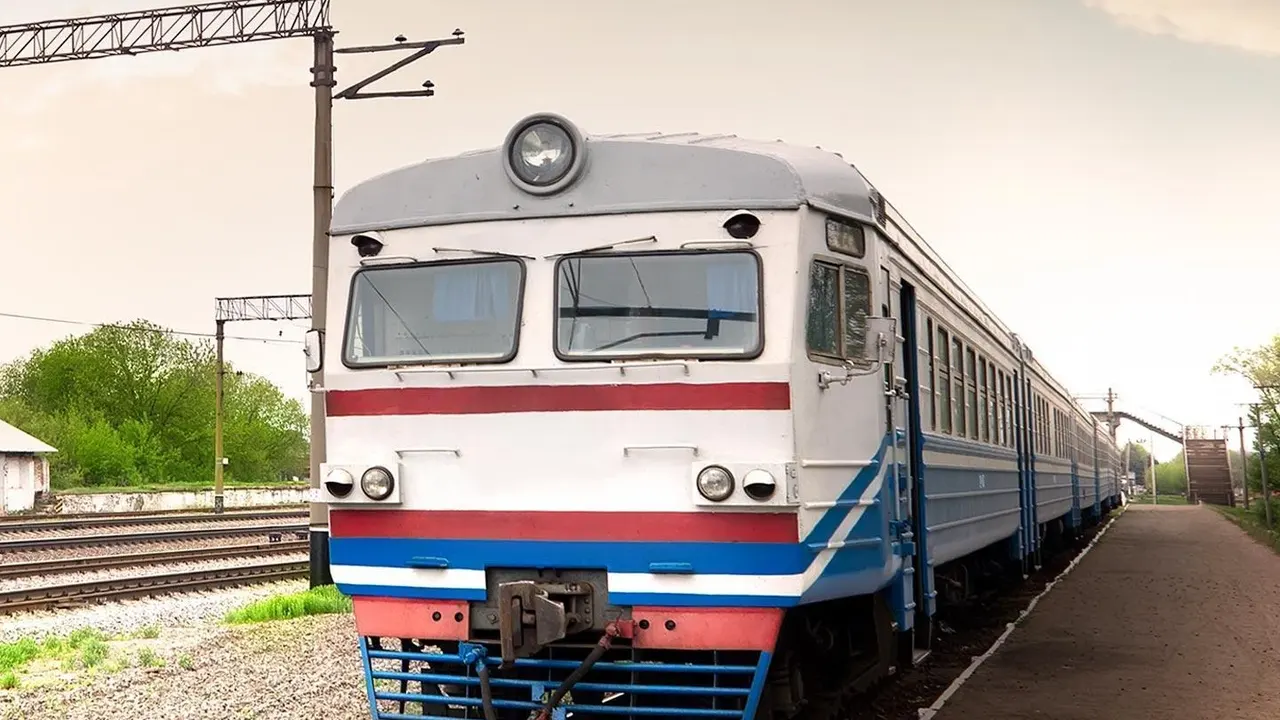
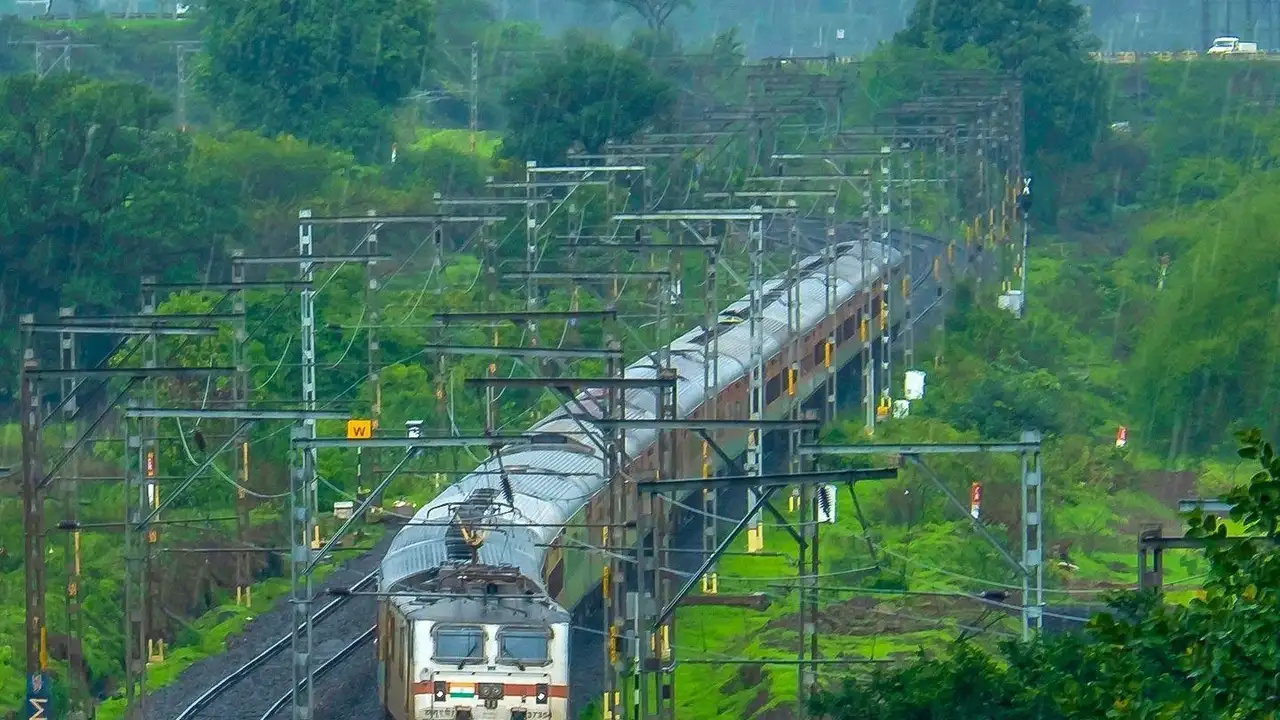
For over four decades, the Samjhauta Express was more than a train; it was a lifeline. It reunited families separated by the border, allowed pilgrims to visit holy sites, and enabled cultural exchange. Passengers carried not just luggage, but stories of love, loss, and longing. The bi-weekly service, running between Delhi and Lahore with a crucial stop and passenger exchange at Attari, became an integral part of countless lives. Security was always tight, but the human connection it fostered often overshadowed the political tensions that dictated its existence.
Tragedy and Political Turmoil
The journey of the Samjhauta Express was not without its dark chapters. The most horrific incident occurred on February 18, 2007, when twin bomb blasts tore through two carriages near Panipat, Haryana, killing 70 people, most of whom were Pakistani civilians. The attack was a deliberate attempt to derail the peace process, but the service was resilient and resumed its schedule. The train's operation frequently mirrored the state of India-Pakistan relations, facing suspensions during periods of high tension, such as after the 2001 Parliament attack and again briefly after the 2019 Pulwama attack.
The End of an Era
The final chapter of the Samjhauta Express era at Attari came to a close in August 2019. Following the Indian government's decision to revoke Article 370 of the Constitution, which granted special status to Jammu and Kashmir, Pakistan announced the permanent suspension of the train service. On August 8, 2019, the train made its last journey. Pakistani crew refused to enter India citing security concerns, requiring an Indian engine and crew to be sent to the Wagah border to bring the final set of passengers home to Attari. The service has remained suspended ever since, leaving an Indian rake parked at Wagah station in Pakistan.