





The Anatomy of a Whole Grain
Before we can appreciate steel-cut oats, it helps to understand what makes a grain “whole.” Every whole grain kernel has three parts: the bran, the germ, and the endosperm. The bran is the fibre-rich outer layer, packed with B vitamins and minerals. The germ is the embryo
of the seed, containing healthy fats, vitamin E, and antioxidants. The endosperm is the starchy centre, providing carbohydrates for energy. Whole grains, by definition, keep all three parts in their original proportions. In contrast, refined grains are stripped of the bran and germ, leaving only the starchy endosperm. This process removes more than half the B vitamins, most of the vitamin E, and nearly all of the fibre, resulting in a product with lower nutritional quality.
The Oat Family: Steel-Cut, Rolled, and Instant
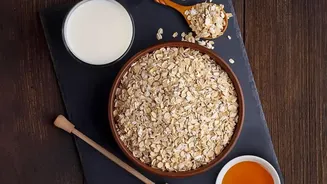
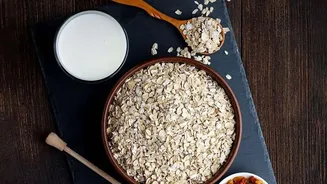
All oats start as whole grain groats, but how they are processed changes their texture, cooking time, and how your body uses them. Steel-cut oats are the least processed; the whole oat groat is simply cut into a few pieces with steel blades. This leaves their structure largely intact. Rolled oats, also called old-fashioned oats, are steamed and then flattened between rollers. Instant oats undergo the most processing. They are pre-cooked, dried, and rolled very thin, which allows them to cook in moments but significantly alters their structure. While a side-by-side look at the nutrition labels for calories, protein, and fibre might show nearly identical numbers for all three types, the real difference lies in how your body digests them.
Why Your Body Prefers Steel-Cut Oats
The minimal processing of steel-cut oats is their superpower. Because the grain is still mostly intact, your digestive enzymes have to work harder to break it down. This leads to slower digestion, which has two major benefits: sustained energy and better blood sugar control. Steel-cut oats have a low glycemic index (GI), a measure of how quickly a food raises blood sugar levels, with scores typically around 42 to 55. In contrast, instant oatmeal has a high GI, often around 83, which can cause a rapid spike and subsequent crash in blood sugar, similar to white bread. This slower energy release from steel-cut oats also helps you feel full for longer, reducing the urge to snack before lunch.
The Fibre Factor: Beta-Glucan's Role
Oats are famous for a specific type of soluble fibre called beta-glucan. This fibre is responsible for many of the health benefits associated with oats, including lowering LDL (or “bad”) cholesterol. When you eat oats, beta-glucan forms a gel-like substance in your gut. This gel helps slow digestion and can trap cholesterol, preventing it from being absorbed into the bloodstream. Health authorities in the US and Europe have recognized the cholesterol-lowering effects of oat beta-glucan. While all oats contain this beneficial fibre, the less processed nature of steel-cut and rolled oats helps maximize its effect on satiety and blood sugar regulation.
Building a Truly Balanced Breakfast
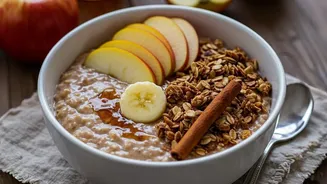
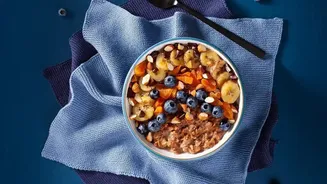
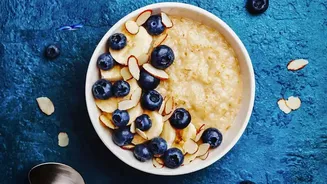
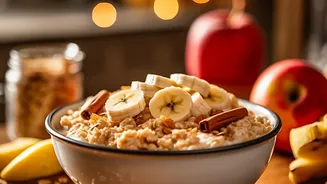
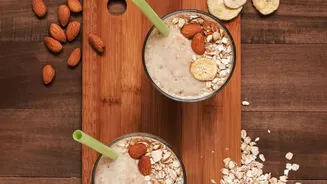
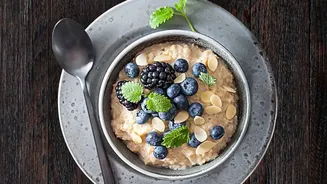
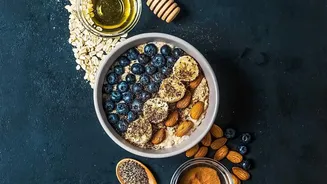
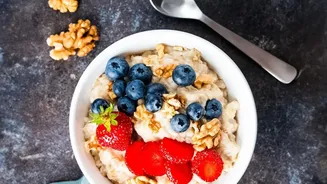
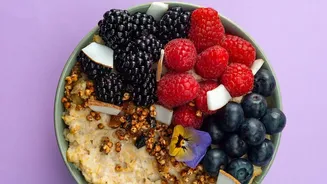
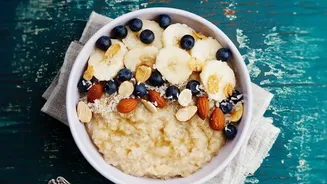
A bowl of oats is a fantastic start, but to make it a truly balanced meal, it needs friends. A breakfast focused only on carbohydrates, even complex ones, can still leave you feeling hungry sooner than you'd like. The key is to add protein and healthy fats. These macronutrients slow digestion even further and provide essential building blocks for your body. Great additions include a spoonful of nut butter, a sprinkle of chia or flax seeds, a handful of walnuts or almonds, or a scoop of Greek yoghurt. These toppings not only add flavour and texture but also turn your simple bowl of oats into a complete meal that provides steady, long-lasting energy to power your morning.