






The Low-Cost, High-Risk Trap
The paradox of modern food is that the most affordable options are often the least nutritious. Ultra-processed foods (UPFs) — think instant noodles, packaged snacks, and sugary drinks — are designed to be cheap, convenient, and highly palatable. However,
they are typically loaded with refined carbohydrates, unhealthy fats, sodium, and sugar, while being stripped of essential nutrients like fibre, vitamins, and minerals. Studies have linked high consumption of these foods to a range of serious health issues, including heart disease, type 2 diabetes, obesity, and even certain mental health disorders. While they might fill your stomach for less, the long-term health costs can be significant.
Redefining Value: Nutrient Density
A smarter approach to budget eating is to focus on nutrient density — getting the most nutritional bang for your buck. A healthy diet costs more than a basic, calorie-sufficient one, but the investment pays off. Instead of looking at the price per packet, consider the price per nutrient. For example, a bag of lentils might cost the same as a large bag of chips, but the lentils provide a wealth of protein, fibre, and micronutrients that the chips lack. Some of India's most nutritious foods are also its most affordable. Staples like dals, eggs, seasonal vegetables, peanuts, and millets like ragi form the foundation of a healthy diet and are accessible to most households.
Build a Nutrient-Rich Pantry
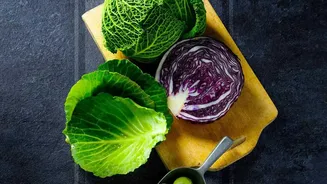
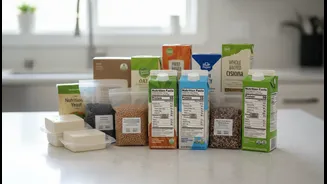
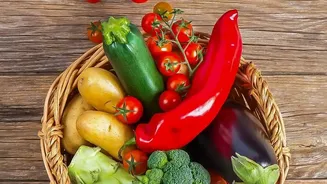
Stocking your kitchen with the right basics is the first step. Focus on whole, minimally processed foods that are versatile and have a good shelf life. Lentils and legumes (dal, chickpeas, rajma) are inexpensive powerhouses of plant-based protein and fibre. Whole grains like brown rice, oats, and whole wheat atta offer more sustained energy and nutrients than their refined counterparts. Eggs are one of the best nutritional bargains, providing high-quality protein and essential vitamins for a low cost. Don't forget seasonal fruits and vegetables, which are often cheaper and more flavourful when bought from local markets. Spices, while an initial investment, allow you to create flavourful, healthy meals from simple ingredients.
Mastering the Art of Meal Planning
The single most effective strategy for eating well on a budget is planning. Taking 20 minutes each week to plan your meals can prevent impulse buys and reduce food waste. Start by taking inventory of what you already have in your pantry and fridge. Build your week's menu around those items and sale items from your local grocer. A detailed shopping list is your best defense against the temptation of unhealthy convenience foods and snacks. Remember to plan for all meals, including snacks, to ensure you have healthy options ready. Eating a snack before you shop can also help you stick to your list and avoid buying things you don't need.
The Power of Home Cooking
Cooking at home puts you in complete control of your ingredients, portion sizes, and budget. It's almost always cheaper and healthier than relying on takeaways or pre-packaged meals. Simple techniques like batch cooking can save both time and money. Prepare a large pot of dal, a versatile vegetable curry, or cook extra grains over the weekend. These can be used for several meals throughout the busy week. Leftovers from dinner can become a packed lunch for the next day, saving you from buying expensive and often less healthy options outside. Learning to cook simple, nutritious meals is a skill that will pay dividends for your health and your wallet for a lifetime.