


The Foundation: Go Beyond Rice
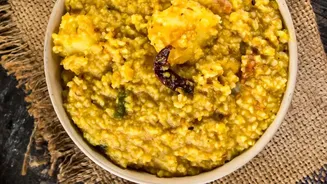
The traditional base for khichdi is rice, but swapping it out or blending it with other grains can add new textures, flavours, and nutritional benefits. For a creamier, starchier result, short-grain rice like Gobindobhog or Sona Masoori is excellent.
For a healthier, high-fibre option, consider brown rice. Millets such as bajra (pearl millet), jowar (sorghum), and foxtail millet are fantastic gluten-free alternatives that lend an earthy, nutty flavour. Dalia, or broken wheat, gives khichdi a hearty, porridge-like consistency, while quinoa offers a protein boost and a delightful textural pop. You can even use a mix of grains like pearl barley, quinoa, and cracked wheat for a complex, multi-grain base.
The Heart: A Medley of Lentils
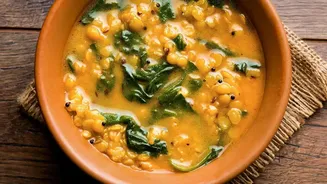
Moong dal, both the yellow split (dhuli moong) and green split (chilka) varieties, is the most common choice for khichdi because it's light and easy to digest. However, different lentils can completely change the dish's character. Masoor dal (red lentils) cooks down quickly to create a creamy, rich consistency and is great for a fuller flavour. Toor dal (split pigeon peas) provides a more robust, savoury foundation, as seen in Karnataka's famous Bisi Bele Bhath. For a heartier bite, try whole brown lentils (sabut masoor), which hold their shape better during cooking. Don't be afraid to mix lentils; combining a quick-cooking dal like masoor with a sturdier one like chana dal (split chickpeas) can create wonderful complexity.
The Flavour Bomb: The Art of the Tadka
The tempering, or 'tadka', is where the magic truly happens, infusing the entire dish with aroma and flavour. A basic tadka often involves heating ghee and sputtering cumin seeds and mustard seeds. From there, the possibilities are endless. Adding asafoetida (hing), turmeric, and grated ginger is a classic combination that aids digestion and adds warmth. For more depth, try adding whole spices like cloves, bay leaves, and cinnamon sticks at the beginning. A final 'double tadka' can elevate the bowl just before serving. Sizzling chopped garlic, dried red chillies, and curry leaves in ghee and pouring it over the finished khichdi adds a dramatic flourish of flavour. For a twist, try a pickle-infused 'achaari' tadka using mango pickle paste.
The Finishing Touch: Toppings and Textures
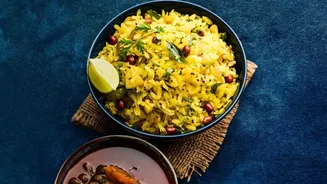
Transforming your khichdi into a 'bowl' is all about the toppings, which add contrasting textures, temperatures, and flavours. A generous dollop of ghee is non-negotiable for many, but there's so much more you can add. For freshness and crunch, top your bowl with a kachumber salad of chopped cucumber, tomato, and onion. A spoonful of plain yogurt or a flavourful raita adds a cooling element. Crushed papad, roasted peanuts, or fried onions provide a satisfying crunch. Other great additions include a spoonful of tangy pickle, fresh coriander, a squeeze of lemon juice, and even sautéed vegetables like spinach, peas, or carrots to boost the nutritional value.
Building Your Perfect Bowl: Some Ideas
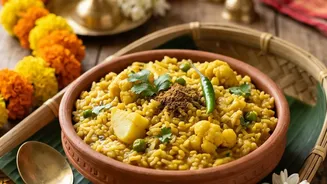
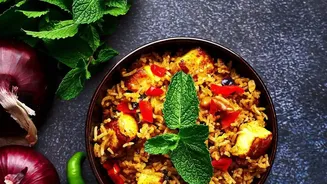
Now, it's time to put it all together. Think of it as creating a balanced meal in one bowl. For a Rajasthani-inspired meal, try a bajra and moong dal khichdi, served with a dollop of ghee and a side of kadhi. For a protein-packed version, add cooked chicken or a boiled egg on top. A South Indian-style Ven Pongal, made with rice and moong dal, gets its character from black peppercorns, cumin, and cashews. Or create a fusion bowl with an Arborio rice and moong dal base, topped with gongura pickle and a sprinkle of parmesan cheese for an unexpected savoury kick. The goal is to balance the soft, comforting khichdi with fresh, crunchy, and tangy elements.