






The Astronaut Dream, Redefined
For the longest time, the dream of going to space was synonymous with becoming a NASA astronaut. It was a monumental goal, reserved for a select few, often military pilots or scientists with PhDs who survived a brutally competitive selection process.
For students sketching rockets in their notebooks, the path was clear but incredibly steep. The space industry was largely a government-led endeavor, a reality that shaped the ambitions and career trajectories of anyone who looked to the stars. The private sector's role was primarily as a contractor, building hardware for missions they would never operate themselves.
A Landmark Mission Opens the Door
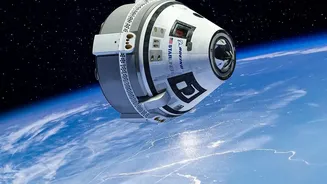
Then came Inspiration4 in September 2021. Financed by entrepreneur Jared Isaacman and operated by SpaceX, it was the first mission to send an all-civilian crew into Earth's orbit. The crew wasn't composed of career astronauts; it featured a physician assistant and childhood cancer survivor, a geoscientist, a data engineer, and Isaacman himself, an accomplished pilot. For three days, they orbited Earth in a Dragon capsule, conducting experiments and proving a critical point: you no longer needed to be a government-employed professional to go to space. This single flight represented a paradigm shift, signaling that space was officially opening for business and for private citizens.
From Textbooks to Launchpads
The impact on education and student aspirations was immediate and profound. The rise of commercial spaceflight, spearheaded by companies like SpaceX, Blue Origin, and others, created a tangible and diverse job market that simply didn't exist a decade prior. Universities have responded, with some programs now offering specialized courses and even full degrees in commercial space enterprise that blend engineering with business, policy, and law. Student projects have also shifted. Once focused on theoretical designs, many now involve hands-on work with CubeSats, small satellites that can actually be launched, giving students real-world experience. This shift moves the goal from just learning about space to actively participating in it.
A Universe of New Career Paths
The most significant change is the sheer breadth of new career opportunities. The space industry is no longer just about aerospace engineers and astronomers. The burgeoning "space economy" needs project managers, software developers, data analysts, financial strategists, marketing professionals, and legal experts. Companies are hiring for roles in space tourism, satellite servicing, in-orbit manufacturing, and resource extraction. Internship programs at private space companies like SpaceX, Blue Origin, and a host of smaller startups offer students direct involvement in developing the next generation of spaceflight hardware and business goals. This has transformed the student mindset from "How can I join the space program?" to "What problem can I help solve in the space industry?"
Beyond Orbit: The Next Frontier
The change sparked by the first private orbital flights continues to accelerate. The success of Inspiration4 paved the way for more ambitious private missions, including the Polaris Program, which is also led by Isaacman and aims to conduct the first-ever commercial spacewalk. As companies work toward creating commercial space stations and planning private trips to the Moon and beyond, the demand for a skilled, multidisciplinary workforce will only grow. The journey to space is no longer just a national project but a global commercial enterprise. This new reality ensures that for today's students, the dream of working in space is not only imaginable but achievable in more ways than ever before.